Category
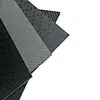
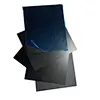
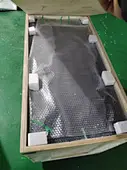
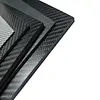
Strength factory direct sales 3K carbon fiber board carbon fiber board twill plain weave glossy surface matte optional
 Key Characteristics:
Model | Fiber Type | Tow Size | Grammage(g/m²) |
T300 | Standard PAN-based | 1K, 3K, 6K | 100–200 |
T700 | High-strength PAN | 12K | 200–400 |
T800 | PAN-based high strength | 6K, 12K, 24K | 145-300 |
IM7 | Intermediate modulus | 6K, 12K | 170–350 |
AS4 | Standard modulus | 3K, 12K | 300–600 |
Carbon Fiber Sheets: Key Applications & Industries
Carbon fiber sheets (or plates/panels) are lightweight, high-strength composite materials widely used across industries due to their exceptional strength-to-weight ratio, corrosion resistance, and design flexibility. Below are their major applications:
1. Marine Industry
Boat hulls : Corrosion-resistant alternative to metals in saltwater environments.
Submarine components: High-pressure-resistant panels for deep-sea applications.
2. Construction & Civil Engineering
Bridge reinforcement: Strengthening aging structures without adding weight.
Seismic retrofitting: Improving building resilience against earthquakes.
3. Industrial & Machinery
Robotic arms: Lightweight yet rigid frames for precision movement.
4. Sports & Recreation
Bicycles & helmets: High-performance gear with impact resistance.
Fishing rods & golf clubs: Enhanced flexibility and strength.
Carbon Fiber Sheets in CNC Cutting: Applications and Benefits
Carbon fiber sheets are widely used in CNC (Computer Numerical Control) machining due to their high strength-to-weight ratio, dimensional stability, and precision-cutting compatibility. Here’s an overview of their applications and advantages in CNC cutting:
1. Why Use Carbon Fiber Sheets for CNC Cutting?
Lightweight & Strong: Carbon fiber is much lighter than metals like aluminum but offers comparable strength, making it ideal for weight-sensitive applications.
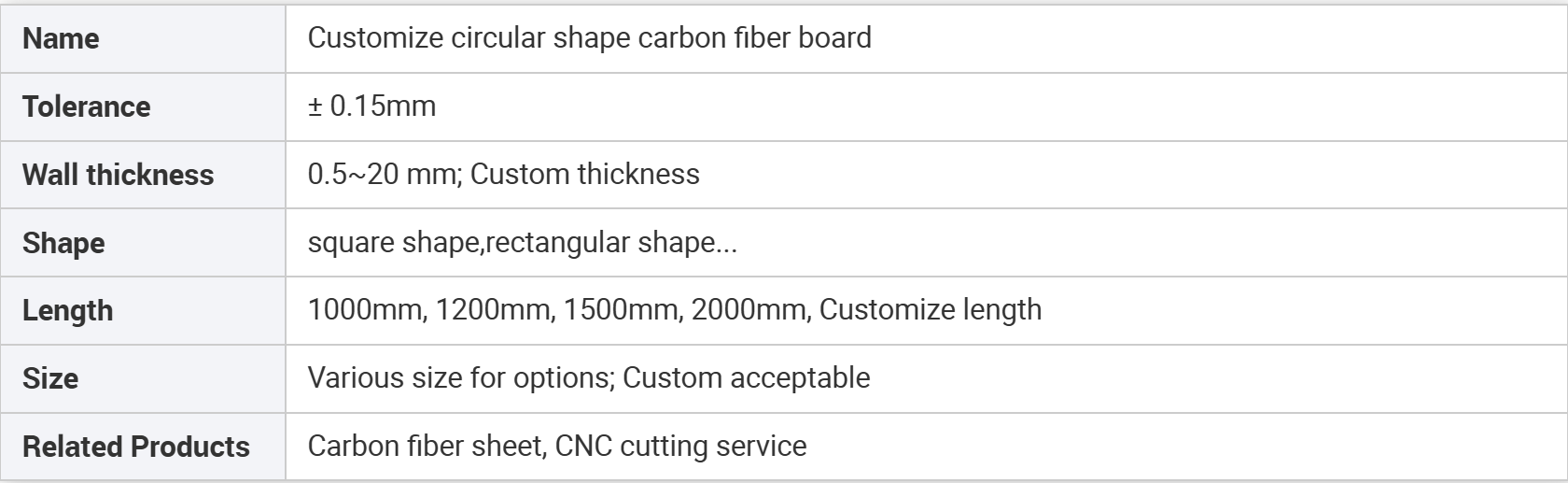
High Precision: CNC machines can achieve tight tolerances (±0.1mm or better) when cutting carbon fiber sheets.
Minimal Warping: Unlike some plastics, carbon fiber maintains its shape during machining, reducing post-processing needs.
Excellent Surface Finish: CNC-cut carbon fiber edges are clean and smooth, often requiring minimal sanding.
Compatibility with Complex Shapes: CNC routers and mills can cut intricate designs, holes, and contours with ease.
2. CNC Cutting Techniques for Carbon Fiber Sheets
Milling: Used for precise shaping, drilling, and edge finishing.
Routing: Ideal for cutting large panels and creating smooth edges.
Laser Cutting (Less Common): Possible but requires specialized lasers due to carbon fiber’s heat resistance.
Waterjet Cutting: An alternative for thicker carbon fiber sheets.
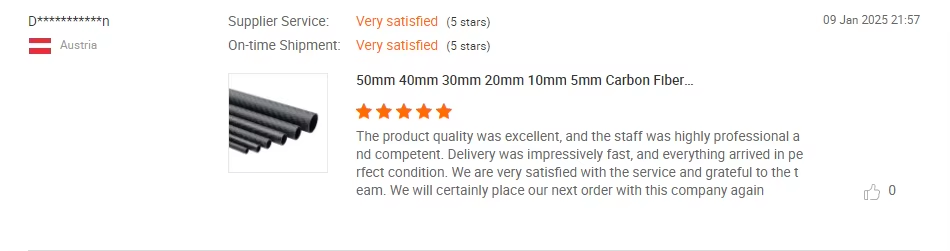

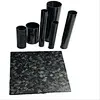 Factory Sale High Quality Carbon Fiber Sheet 0.2-80MM Real Carbon Sheets Available in All Size Twill Matte Carbon PlateHigh Strength 100% 3K Carbon Fiber Plate Plain Weave Glossy or Matte Carbon SheetCarbon fiber plate-Customize SizeSend Inquiry
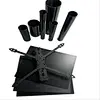 Factory 3K Custom Carbon Fiber Plates Sheets Lightweight for Drone AccessoriesCarbon Fiber Plates Sheets Lightweight for Drone Accessories. 3mm Carbon fiber plates are commonly used in drone framesACP-drone frameSend Inquiry
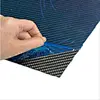 Wholesale 1000*1000mm Large Size Black 3K Twill Plain Weave Carbon Plate Carbon Fiber Plate Panel Carbon Fibre SheetCarbon Plate Carbon Fiber Plate Panel Carbon Fiber Sheet, various sizes availableACP-1000*1000MMSend Inquiry
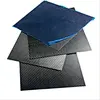 Carbon Fiber Sheet High Strength 100% 3k Plain Weave Glossy Matte 2.5mm 3mm 4mm 8mm CNC Cutting Carbon Fiber Board PlateManufacture high-quality carbon fiber sheets, Tubes, fabrics and composite materials. Various carbon fiber sheet size available!Customize SizeSend Inquiry
Send Message