
What do T300, T700, and T800 mean in carbon fiber materials?
author: Lily
2025-10-15
To put it simply, it can be understood like this:
1. "T" stands for tensile strength. The following number, such as 300, 700, or 800, roughly corresponds to the tensile strength of the carbon fiber, measured in kgf/mm² (kilogram-force per square millimeter). A higher number generally indicates higher fiber strength and performance.
2. Due to Toray's leadership in the global carbon fiber industry, these designations have become common industry jargon. Even other companies (such as Hexcel in the United States and SGL in Germany) that produce products with similar performance often use these designations to compare and describe their products.
Below is a detailed performance comparison table and explanation:
-
T300: This is a standard modulus carbon fiber and was widely used in the early days.
-
T700: This is a high-strength, medium-modulus carbon fiber, offering a good balance between strength and cost. It is currently the most widely used type.
-
T800: This is a higher-strength carbon fiber with excellent performance, but generally comes at a higher cost.
Generally speaking, the larger the number, the higher the tensile strength of the carbon fiber.
|
Features/Parameters
|
T300
|
T700
|
T800
|
T1000
|
|
Tensile Strength
|
Lower (e.g. ~3.5 GPa)
|
Higher (e.g. ~4.9 GPa)
|
Higher (e.g. ~5.5 GPa)
|
Very high (e.g. > 6.4 GPa) / high strength but also high modulus
|
|
Tensile modulus
|
Lower (e.g. ~230 GPa)
|
Higher (e.g. ~230 GPa)
|
Higher (e.g. ~290 GPa)
|
Very high (e.g. > 300 GPa) / modulus even higher
|
|
Elongation at break
|
Relatively high (e.g. ~1.5%)
|
Relatively high (e.g. ~1.7%)
|
Relatively low (e.g. ~1.8%)
|
Lower (e.g. < 1.7%) / Likely lower
|
|
Cost
|
Relatively low
|
Medium
|
Higher
|
Very high
|
|
Density
|
Relatively stable, with little difference between different brands
|
Relatively stable
|
Relatively stable
|
Relatively stable
|
|
Application
|
Sporting goods, general industrial parts, etc.
|
Aerospace, automobiles, high-end sporting goods, etc.
|
Aerospace, racing, etc.
|
Aerospace, satellites, precision instruments, etc.
|
What are you most afraid of when reinforcing a building? Carbon fiber Solution
Carbon Filament, Prepreg and Carbon Fiber Cloth
Related Article

Carbon fiber composites, with their lightweight, high strength, and excellent electromagnetic properties, are becoming the preferred choice for drone manufacturing. From the shell to the rotor, they not only reduce weight but also improve flight efficiency and durability. Advanced processes such as compression molding and autoclave technology are further driving breakthroughs in drone performance, contributing to the future modular and intelligent development.
Why are more and more drones using carbon fiber casings?

Carbon fiber composites have wide applications in aerospace, industrial manufacturing etc. Their advantages, such as lightweight, high strength, corrosion resistance, good electrical conductivity, and excellent electromagnetic shielding, are increasingly recognized. Shenzhen Ant Carbon Fiber Co., Ltd., drawing on years of production experience, will answer some common questions today for your reference.
Basic knowledge about carbon fiber composite products
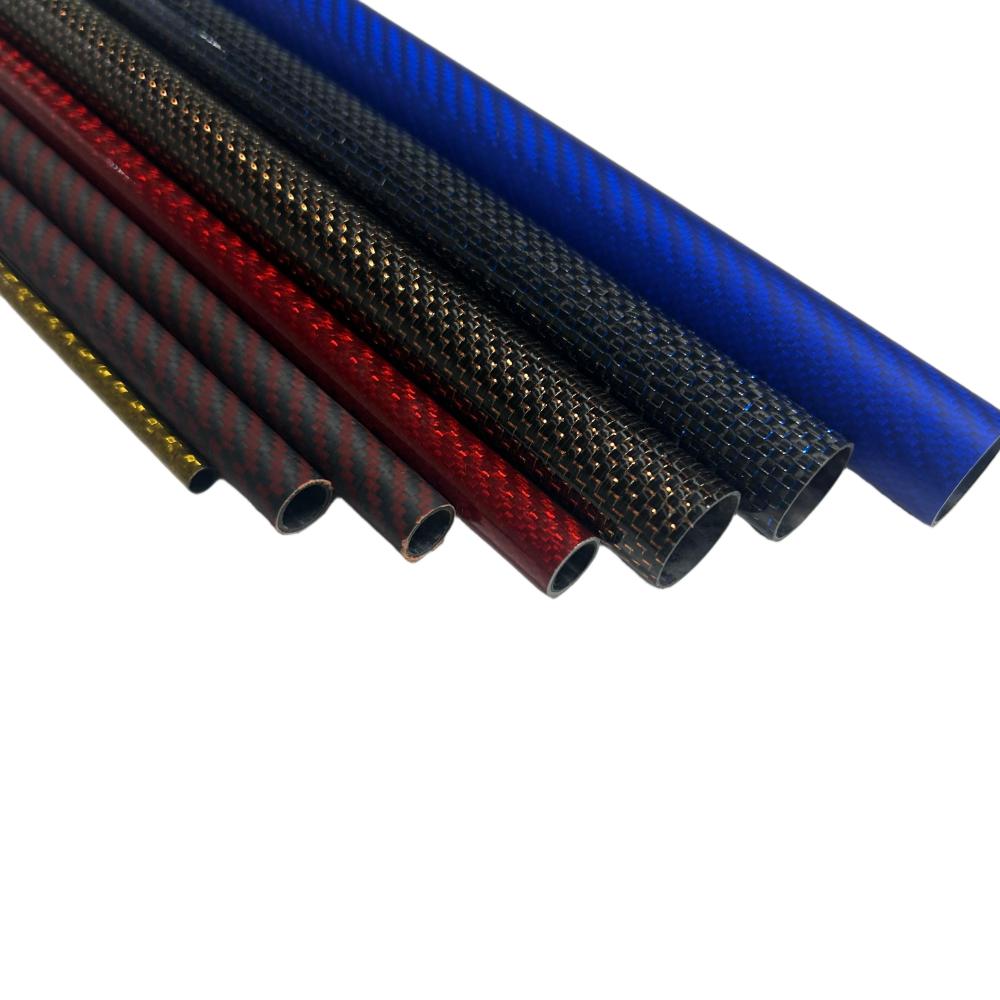
The processing of carbon fiber tubes requires different processing techniques for different applications, but the most common process is to process holes in carbon fiber tubes. In order to meet the processing requirements, we must pay more attention to the hole processing. In this process, some defects are prone to occur, with delamination being the most common. What are these details?
The formation of delamination phenomenon in carbon fiber tube hole processing
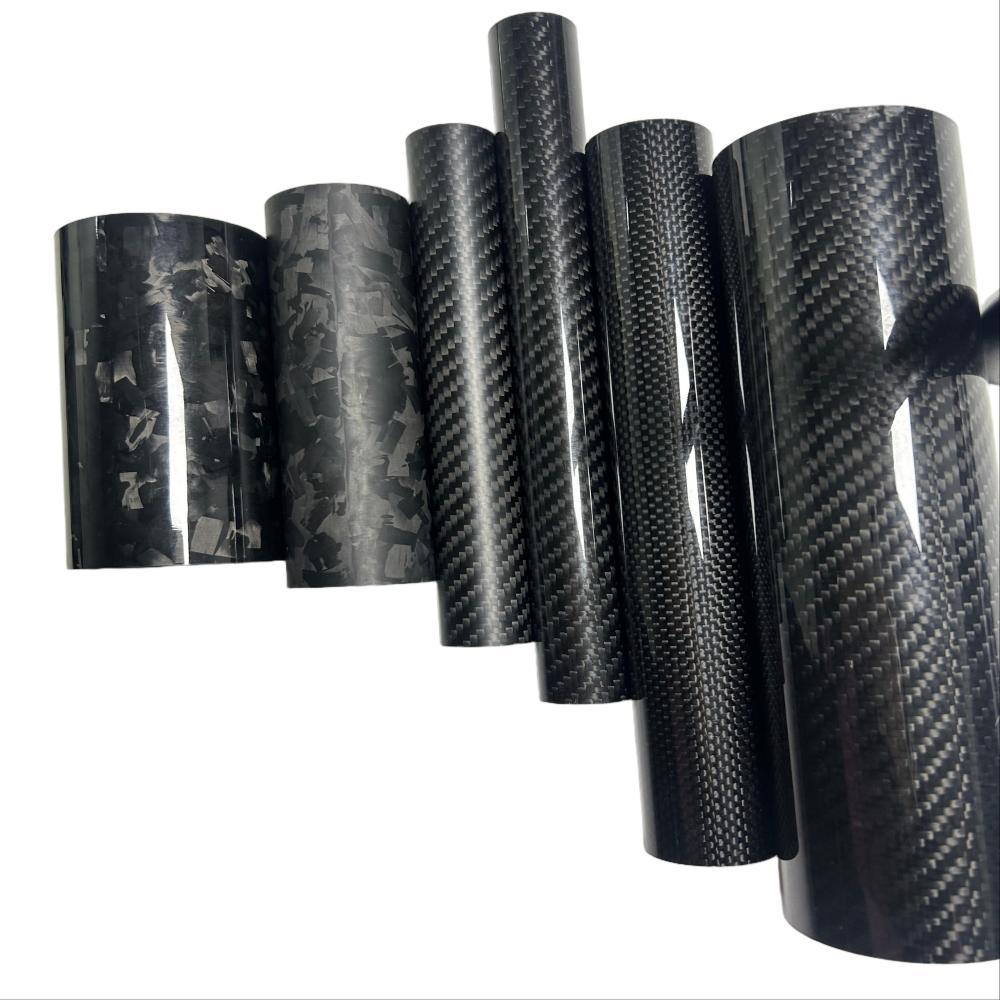
Carbon fiber tubing, also known as carbon tube or carbon fiber tube, is composed of carbon fiber material and specific resin materials. It is widely used in various supporting equipment such as drones, rotating shafts, rollers, medical devices, sports equipment, and high-end camera slide rails, and is one of the lightweight materials used in high-end industrial fields to replace metal tubing.
What are the key factors affecting the quality of carbon fiber tubing?