The formation of delamination phenomenon in carbon fiber tube hole processing
author: Lily
2025-12-28
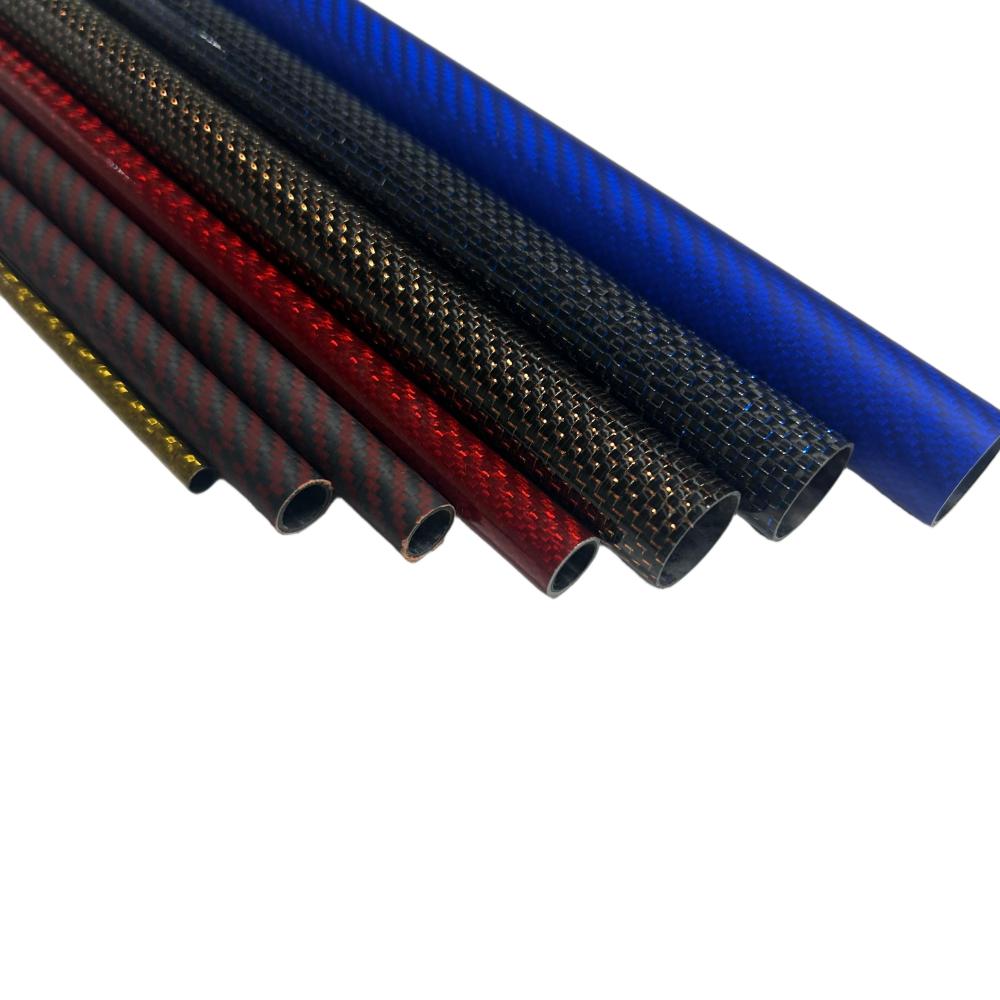
The development of science and technology has led to the gradual obsolescence of many traditional processes and materials, making new technologies and materials essential to meet the needs of social production. High-quality materials like carbon fiber tubes are becoming the choice for many industries. Moreover, carbon fiber tubes possess unparalleled advantages over other materials, including light weight, high specific strength, high specific stiffness, high temperature resistance, friction resistance, fatigue resistance, and good design flexibility.
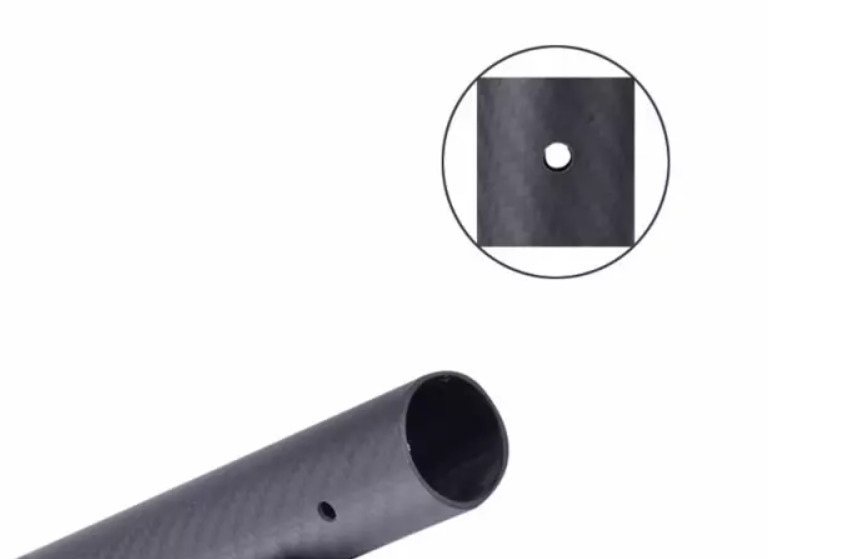
The processing of carbon fiber tubes requires specific techniques for different applications, but the most common process is drilling holes in them. To meet processing requirements, careful attention must be paid to hole machining, as defects are prone to occur during this process, with delamination being the most common. What exactly are these details?
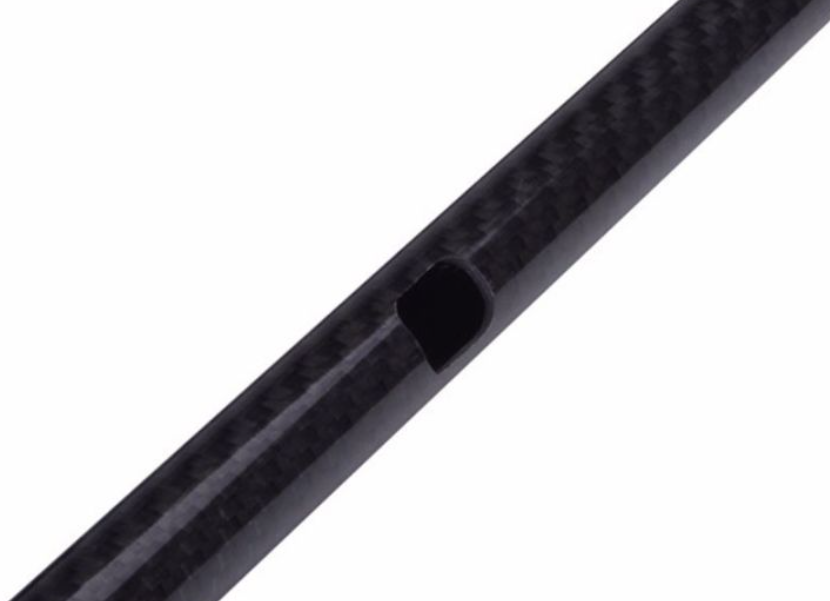
First and foremost is the issue of delamination. Delamination of carbon fiber tubes is easily caused during hole machining. Drilling force and heat can cause delamination. When the axial drilling force acts on the stress between the fiber layers of the carbon fiber tube, if the stress exceeds the strength of the resin between the fiber layers, the resin will break, leading to delamination. Another delamination phenomenon is the increased temperature at the contact point between the tool and the resin. Due to the different coefficients of thermal expansion between carbon fiber and resin, the boundary stress caused by the thermal effect becomes excessively concentrated, resulting in localized strain and delamination.
Shenzhen Ant Carbon Fiber Composite Materials Co., Ltd. has been engaged in the research, development, production and processing of carbon fiber for many years. It has its own complete production equipment and mature process flow. It can not only manufacture carbon fiber sheets, carbon fiber tubes and carbon fiber products, but also meet the drawing processing needs of a wide range of customers.
Basic knowledge about carbon fiber composite products
What are the key factors affecting the quality of carbon fiber tubing?
Related Article

Carbon fiber composites, with their lightweight, high strength, and excellent electromagnetic properties, are becoming the preferred choice for drone manufacturing. From the shell to the rotor, they not only reduce weight but also improve flight efficiency and durability. Advanced processes such as compression molding and autoclave technology are further driving breakthroughs in drone performance, contributing to the future modular and intelligent development.
Why are more and more drones using carbon fiber casings?
Carbon fiber composites have wide applications in aerospace, industrial manufacturing etc. Their advantages, such as lightweight, high strength, corrosion resistance, good electrical conductivity, and excellent electromagnetic shielding, are increasingly recognized. Shenzhen Ant Carbon Fiber Co., Ltd., drawing on years of production experience, will answer some common questions today for your reference.
Basic knowledge about carbon fiber composite products
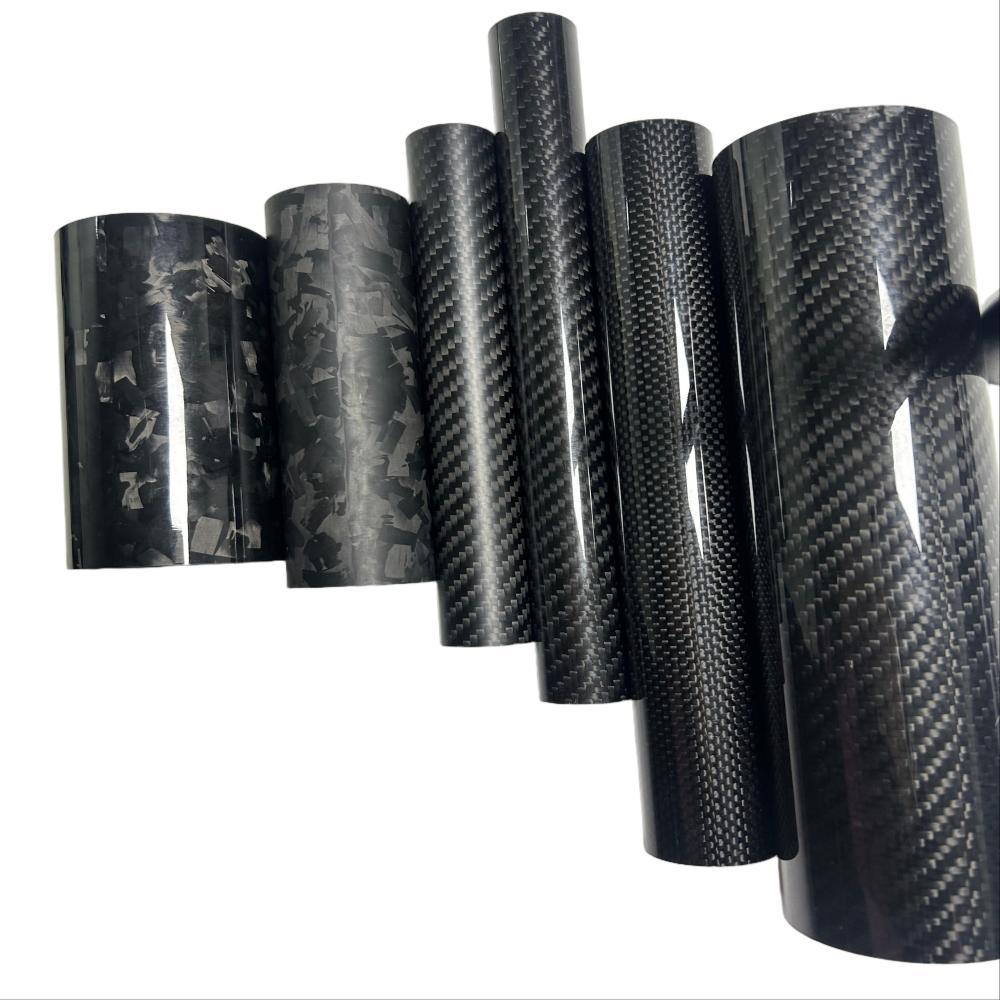
Carbon fiber tubing, also known as carbon tube or carbon fiber tube, is composed of carbon fiber material and specific resin materials. It is widely used in various supporting equipment such as drones, rotating shafts, rollers, medical devices, sports equipment, and high-end camera slide rails, and is one of the lightweight materials used in high-end industrial fields to replace metal tubing.
What are the key factors affecting the quality of carbon fiber tubing?
Carbon fiber composites are advanced composite materials with characteristics such as lightweight, high strength, and corrosion resistance, and are currently widely used in various fields including automotive, high-end medical, industrial, and military applications. Although carbon fiber composites have excellent properties, secondary processing is relatively difficult, especially when processing carbon fiber composite sheets and carbon fiber tubes.
What are the difficulties in processing carbon fiber composite materials, specifically carbon fiber sheets and carbon fiber tubes?