
Basic knowledge about carbon fiber composite products
author: Lily
2025-12-28
1. Are there unified reference data for the performance of carbon fiber products?
The performance of specific carbon fiber precursors is fixed. For example, Toray's carbon fiber precursors, such as T300, T300J, T400, and T700, have a series of parameters that can be tracked. However, there is no unified standard to measure carbon fiber composite products. First, different raw material grades will lead to different product performances. Second, the choice of matrix and product design will also lead to different product performances. Besides common components such as carbon fiber tubes and sheets, most carbon fiber products require prototyping before production. Testing the samples determines whether the product's performance meets the expected standards, and this serves as a benchmark for mass production and use.
2. Are carbon fiber composite products very expensive?
The price of carbon fiber composite products is closely related to the price of raw materials, the level of processing technology, and the quantity produced. Some products have high industrial environment requirements and special requirements for the performance and materials of the carbon fiber. This necessitates the selection of specific raw materials. Higher performance raw materials naturally result in higher prices, such as PEEK thermoplastic carbon fiber used in orthopedics. Of course, the more complex the manufacturing process, the greater the working time and workload, and the higher the production cost. However, once a carbon fiber product is confirmed for mass production, the larger the order quantity, the lower the cost per unit. In the long run, the superior performance of carbon fiber extends the product's lifespan, reduces maintenance frequency, and is highly beneficial for reducing operating costs.
Carbon Fiber Square Tube
3. Why do carbon fiber composite products require customization based on drawings/samples and mold making?
Carbon fiber composite materials are expensive, and apart from a few commonly used specifications of carbon fiber tubes and sheets, large-scale mass production is difficult. The finished products are highly specific, and manufacturers of carbon fiber composite products generally do not have excess inventory. Moreover, most carbon fiber composite products are used as components to replace traditional metal materials. Therefore, customization is necessary based on detailed drawings or actual samples provided by the customer. Not all carbon fiber products require mold making. Mold making is required for some complex designs, high-performance products, especially in large-volume customizations. Furthermore, the manufacturing processes for carbon fiber composite products vary, such as molding and vacuum autoclave processes. Whether mold making is needed depends on the product drawings. Custom-made products typically have a longer lead time, depending on the complexity of the product.
4. Are carbon fiber composite products toxic?
Carbon fiber composites are made by mixing carbon fiber precursors with matrices such as ceramics, resins, and metals. They are generally non-toxic. For example, the PEEK material mentioned above uses food-grade resin. This material has excellent biocompatibility and is not only harmless to the human body but also an ideal material for orthopedic surgery due to its high strength and elastic modulus close to that of cortical bone. Carbon fiber medical bed boards come into daily contact with many patients without causing adverse effects; on the contrary, they greatly contribute to the accuracy of medical diagnoses.
Carbon Fiber Industrial Components
5. Are all carbon fiber composite products black with a woven texture?
The color and texture of carbon fiber composite products can be customized. The direction of the texture is determined by the initial layering design. The default initial color is black, but the color can be changed through subsequent coating. Furthermore, custom patterns or logos can be printed on carbon fiber products.
6. What are the differences between thermosetting carbon fiber composites and thermoplastic carbon fiber composites?
Thermosetting carbon fiber composites rely heavily on the role of the curing agent in the curing process. Thermoplastic carbon fiber composites, on the other hand, primarily achieve their shape through cooling. Thermoplastic carbon fiber composites are less widely used than thermosetting carbon fiber composites, mainly due to their higher price, and are generally used in high-end industries. Thermosetting carbon fiber composites are difficult to recycle due to the limitations of the resin matrix itself, and are generally not considered; thermoplastic carbon fiber composites are recyclable and can be reused by heating them to a certain temperature.
Why are more and more drones using carbon fiber casings?
The formation of delamination phenomenon in carbon fiber tube hole processing
Related Article

Carbon fiber composites, with their lightweight, high strength, and excellent electromagnetic properties, are becoming the preferred choice for drone manufacturing. From the shell to the rotor, they not only reduce weight but also improve flight efficiency and durability. Advanced processes such as compression molding and autoclave technology are further driving breakthroughs in drone performance, contributing to the future modular and intelligent development.
Why are more and more drones using carbon fiber casings?
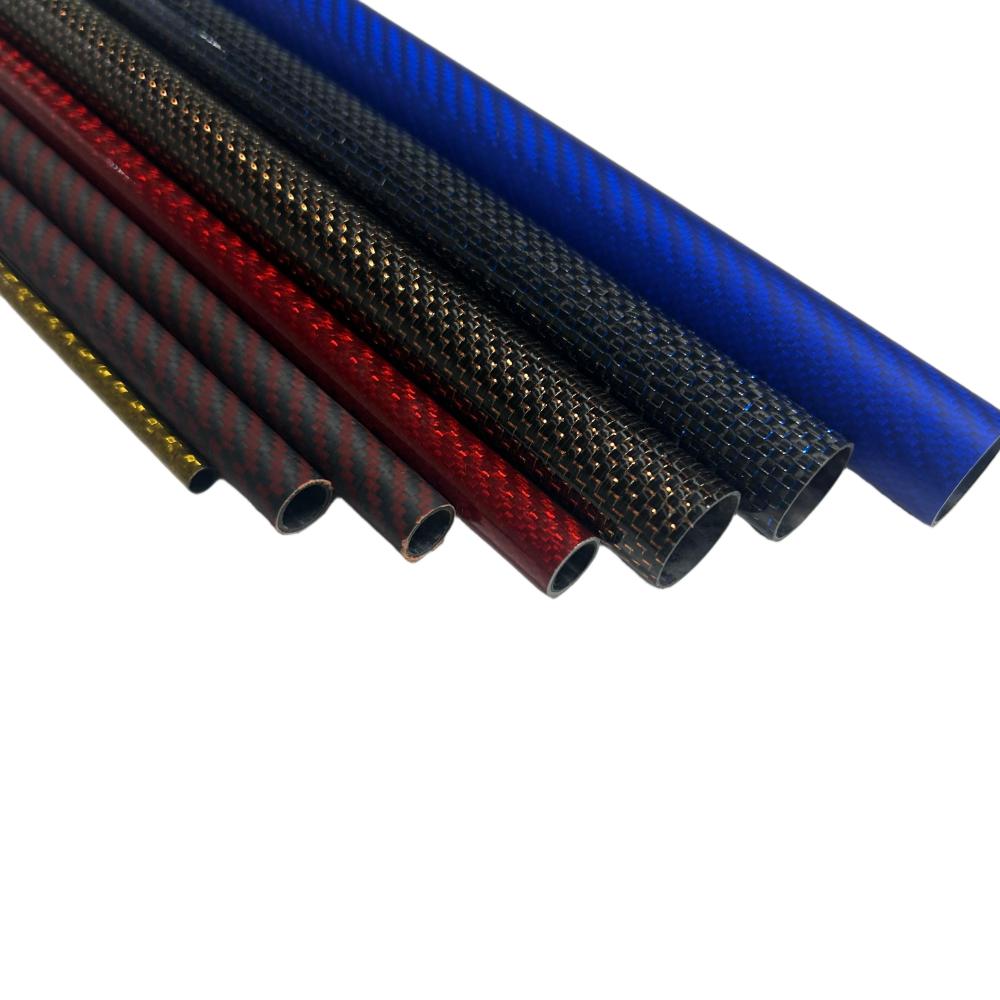
The processing of carbon fiber tubes requires different processing techniques for different applications, but the most common process is to process holes in carbon fiber tubes. In order to meet the processing requirements, we must pay more attention to the hole processing. In this process, some defects are prone to occur, with delamination being the most common. What are these details?
The formation of delamination phenomenon in carbon fiber tube hole processing
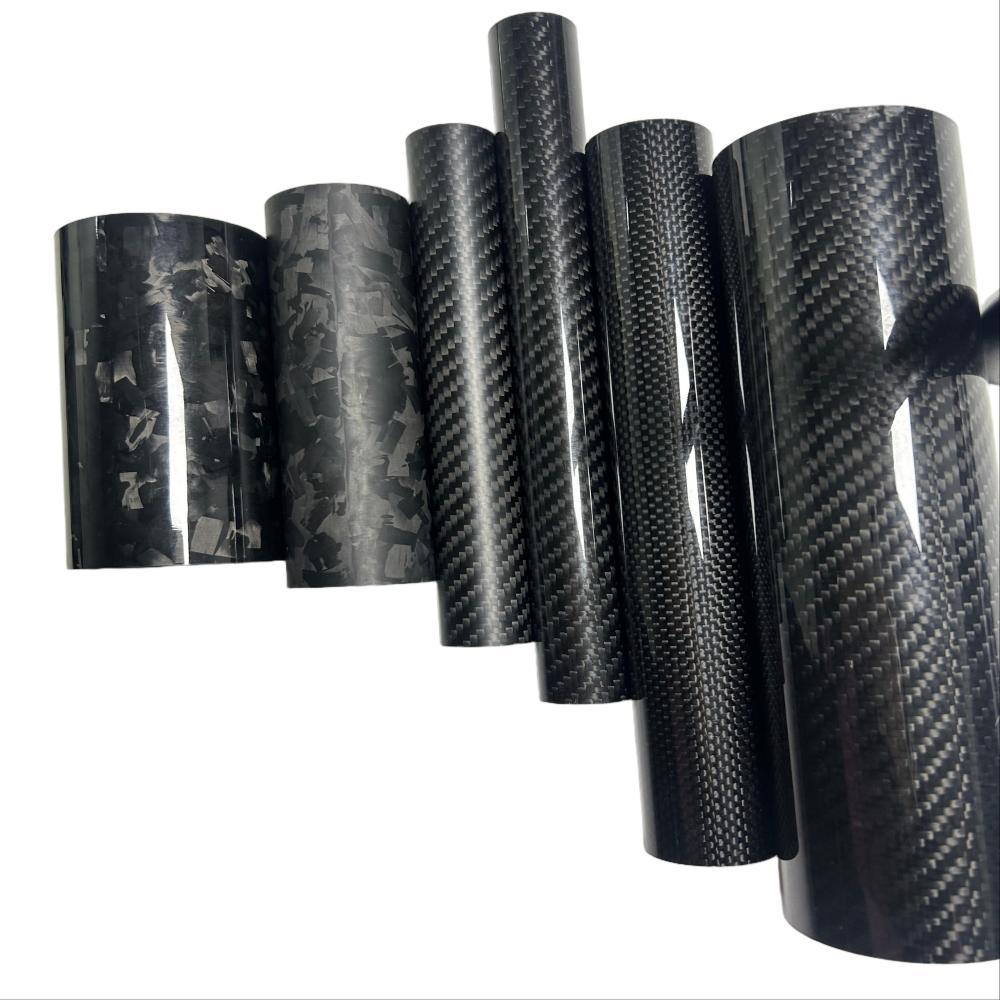
Carbon fiber tubing, also known as carbon tube or carbon fiber tube, is composed of carbon fiber material and specific resin materials. It is widely used in various supporting equipment such as drones, rotating shafts, rollers, medical devices, sports equipment, and high-end camera slide rails, and is one of the lightweight materials used in high-end industrial fields to replace metal tubing.
What are the key factors affecting the quality of carbon fiber tubing?

Carbon fiber composites are advanced composite materials with characteristics such as lightweight, high strength, and corrosion resistance, and are currently widely used in various fields including automotive, high-end medical, industrial, and military applications. Although carbon fiber composites have excellent properties, secondary processing is relatively difficult, especially when processing carbon fiber composite sheets and carbon fiber tubes.
What are the difficulties in processing carbon fiber composite materials, specifically carbon fiber sheets and carbon fiber tubes?