What are you most afraid of when reinforcing a building? Carbon fiber Solution
author: Lily
2025-10-16
How “light” is more than 95% weight loss?
There were worries that the reinforcement materials would be too heavy, overloading the already aged and weak concrete structure. Others feared that installation would be difficult and cause delays, or that maintenance would be costly and drawn-out.
Now, however, a better solution is available: the carbon fiber plate reinforcement technique. It redefines structural reinforcement with its lightweight strength.
Now, however, a better solution is available: the carbon fiber plate reinforcement technique. It redefines structural reinforcement with its lightweight strength.
|
|

1500kg vs 45kg
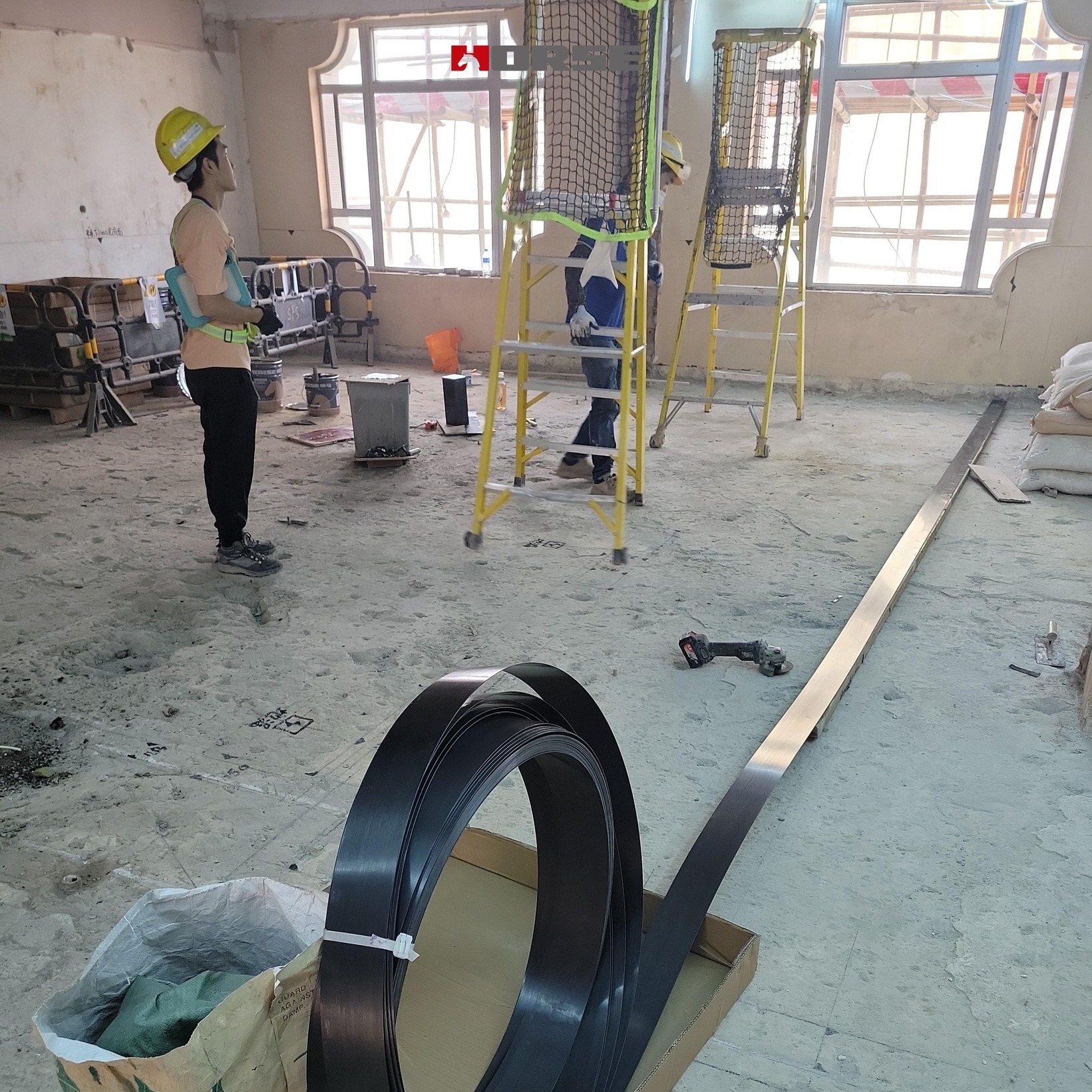
The weight of carbon fiber panels is only 3% of that of bonded steel, a weight reduction of over 95%! This is not a simple numbers game, but rather avoids adding a heavier burden to the already "weak" building structure.
Carbon fiber reinforced plate
Carbon fiber sheets are fibrous materials composed of carbon elements, offering exceptional chemical stability and corrosion resistance.
- They are lightweight and feature thin reinforcement layers. A 4mm thick, 5cm wide, and 1m long carbon sheet weighs only 0.3kg, placing minimal strain on the original structure.
- They exhibit high straightness, with a deflection of less than 0.1%, ensuring linear load bearing.
- The carbon sheet and carbon sheet adhesive exhibit similar elongation, ensuring optimal load synergy and seamless integration between the original structure and the sheet.
- Over 20 specifications are available to meet diverse working conditions.
Better solution for scenarios
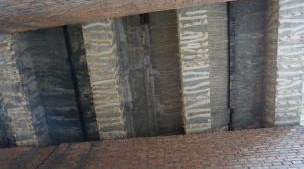
- Weathered, mottled structures don't need to "carry the burden." Old buildings, long-span bridges, high piers, and other structures sensitive to deadweight are most vulnerable to the added burden of reinforcement. The lightweight nature of carbon fiber panels minimizes additional loads on the original structure, preventing new safety hazards caused by increased deadweight.
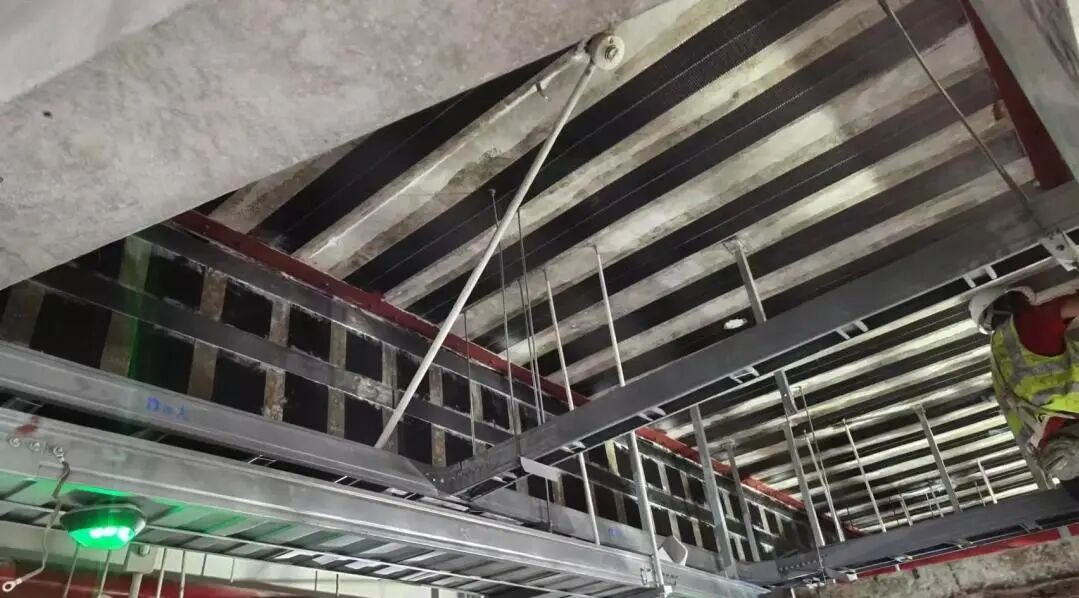
- Large-span structures such as stadiums and exhibition centers, where lightweight features are suitable for their stringent requirements on deadweight;
- Special environment.Coastal areas, chemical industry zones, and high humidity areas have stricter requirements for corrosion resistance. Carbon fiber plates have stable performance and strong corrosion resistance.
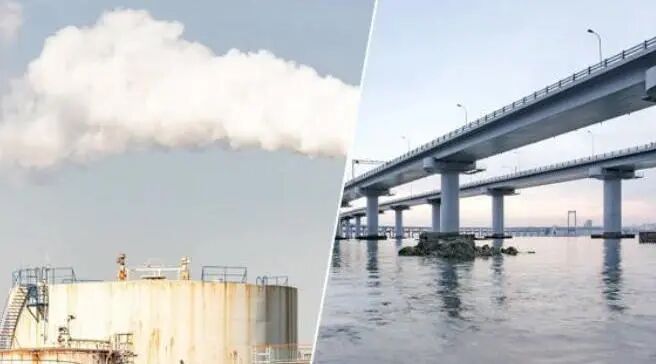
At a time when the industry is constantly pursuing efficiency, safety, and innovation, the weight change from 1500kg to 45kg has, to a certain extent, broken the traditional reinforcement perception of "the heavier, the stronger". The "strong and light" innovation has injected new momentum into the industry and opened up a broader space for engineering safety and development. Ant Carbon Fiber Co., is willing to lay a more solid and imaginative foundation for urban construction and infrastructure development.
carbon fiber mesh fabric
What do T300, T700, and T800 mean in carbon fiber materials?
Related Article

Carbon fiber composites, with their lightweight, high strength, and excellent electromagnetic properties, are becoming the preferred choice for drone manufacturing. From the shell to the rotor, they not only reduce weight but also improve flight efficiency and durability. Advanced processes such as compression molding and autoclave technology are further driving breakthroughs in drone performance, contributing to the future modular and intelligent development.
Why are more and more drones using carbon fiber casings?
Carbon fiber composites have wide applications in aerospace, industrial manufacturing etc. Their advantages, such as lightweight, high strength, corrosion resistance, good electrical conductivity, and excellent electromagnetic shielding, are increasingly recognized. Shenzhen Ant Carbon Fiber Co., Ltd., drawing on years of production experience, will answer some common questions today for your reference.
Basic knowledge about carbon fiber composite products
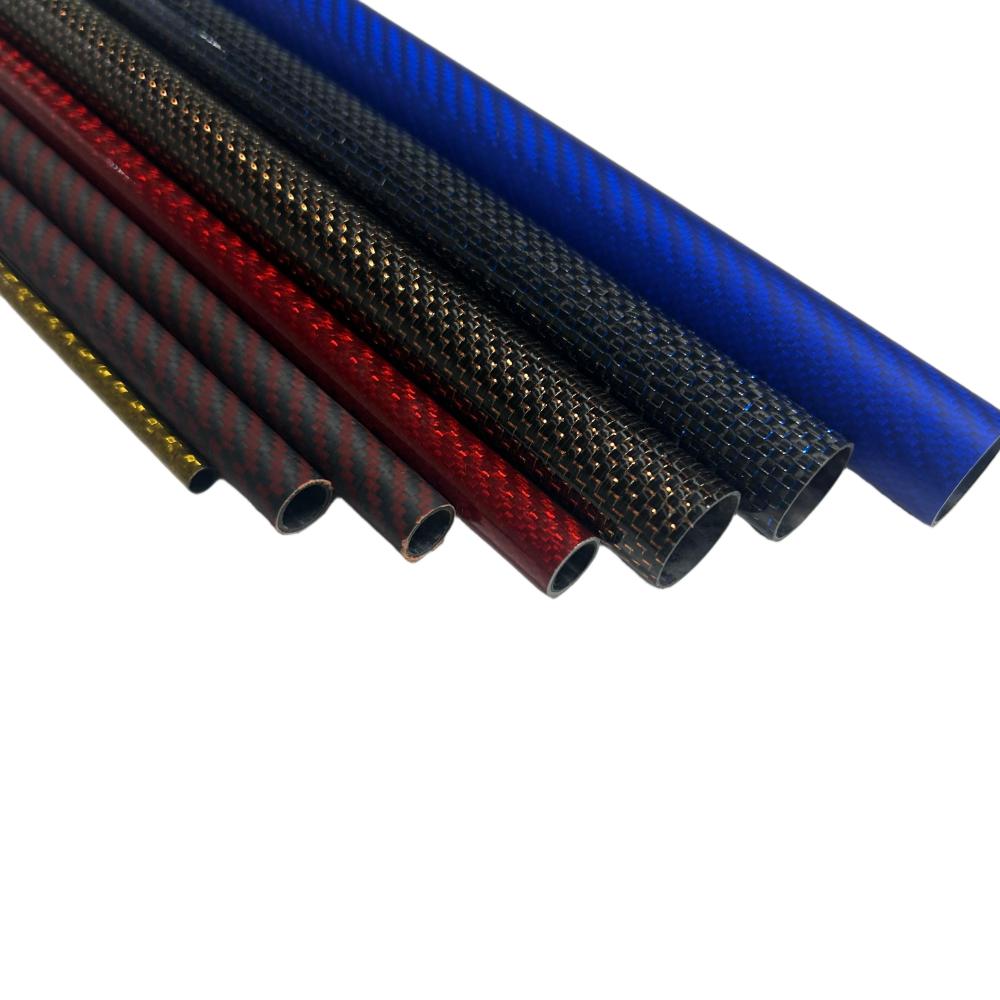
The processing of carbon fiber tubes requires different processing techniques for different applications, but the most common process is to process holes in carbon fiber tubes. In order to meet the processing requirements, we must pay more attention to the hole processing. In this process, some defects are prone to occur, with delamination being the most common. What are these details?
The formation of delamination phenomenon in carbon fiber tube hole processing
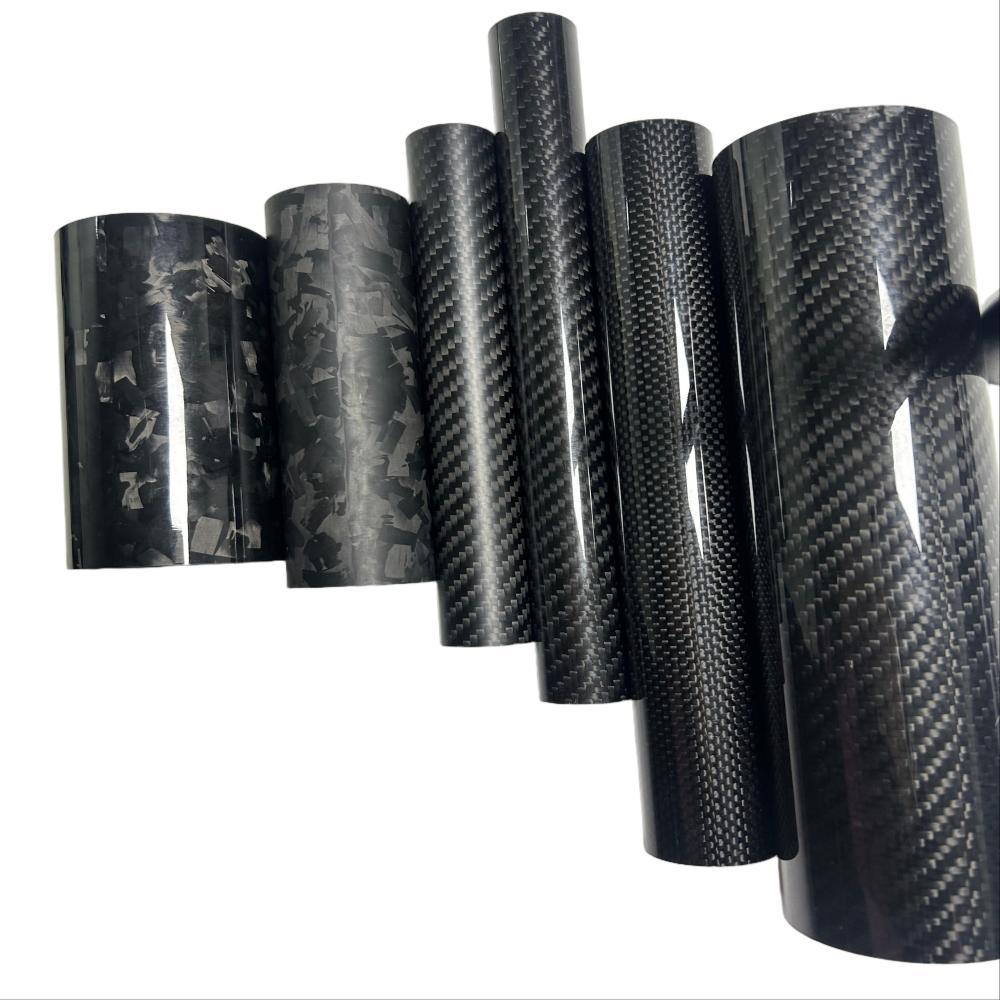
Carbon fiber tubing, also known as carbon tube or carbon fiber tube, is composed of carbon fiber material and specific resin materials. It is widely used in various supporting equipment such as drones, rotating shafts, rollers, medical devices, sports equipment, and high-end camera slide rails, and is one of the lightweight materials used in high-end industrial fields to replace metal tubing.
What are the key factors affecting the quality of carbon fiber tubing?