What types of materials are used for molds used in the molding and production of carbon fiber products?
author: Lily
2025-11-09
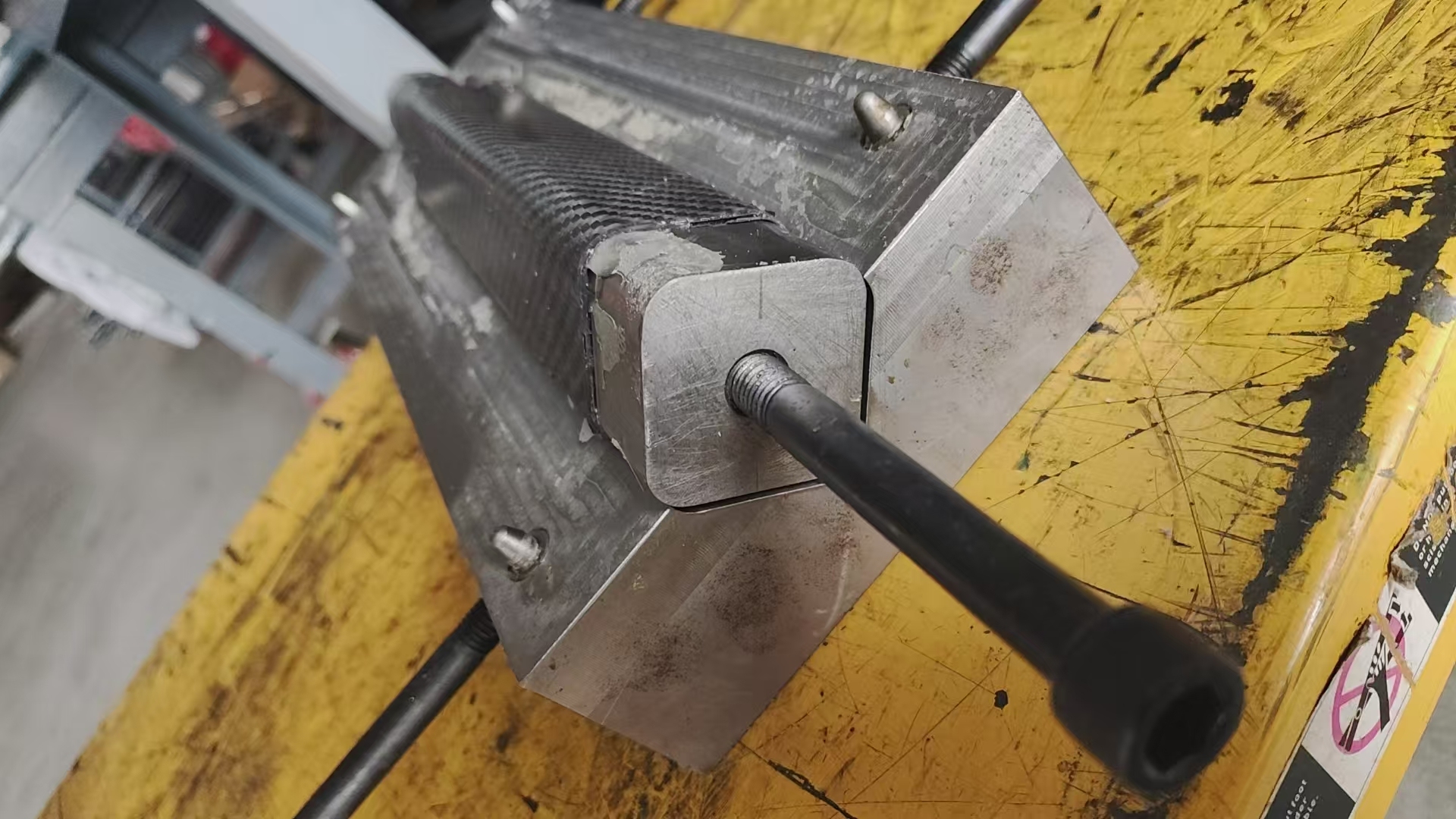
When carbon fiber composite materials are manufactured into carbon fiber products, molds are typically used for production. The performance of the mold directly affects the final product. Standard carbon fiber product molds are made of steel for the simple reason that steel has higher strength, ensuring good performance of the produced carbon fiber products. There are also many other types of molds.
1. wooden mold
Wooden molds are molds made of wood. A suitable piece of wood is selected according to the size of the product to be produced. The wood is then cut and processed accordingly, including processing on a metal bed and applying putty to the surface to make it smooth. The product can then be produced using this mold. This method of using molds is very old and is rarely used now. Carbon fiber products rarely use this type of wooden mold.
2. Substitute wood mold
Initially, most molds were made of wood. Later, non-wood molds were used, specifically resin molds. Resin molds have a high degree of surface smoothness and undergo some simple processing. These resin molds are primarily used for molds requiring high dimensional precision.Resin-based molds are not very suitable for the production and processing of carbon fiber products. This is because normal carbon fiber products already contain resin-based materials, which are melted and then solidified at high temperatures to be processed into carbon fiber products. In practical applications, these wood-substitute molds are more often used for small-scale trial production, because resin will be lost, which can easily lead to inaccurate dimensions.
3. Sludge mold.
Clay, similar to bricks, tiles, and Zisha teapots, was initially used in car body designs. Clay can be finely sculpted at room temperature and becomes extremely hard when cured at high temperatures. When used for mold making, foam can be added to the surface to make it highly smooth. Although this clay is hard, it is also quite brittle, so it is easy to break and is not suitable for high-precision product manufacturing or mass production.
4. Metal molds
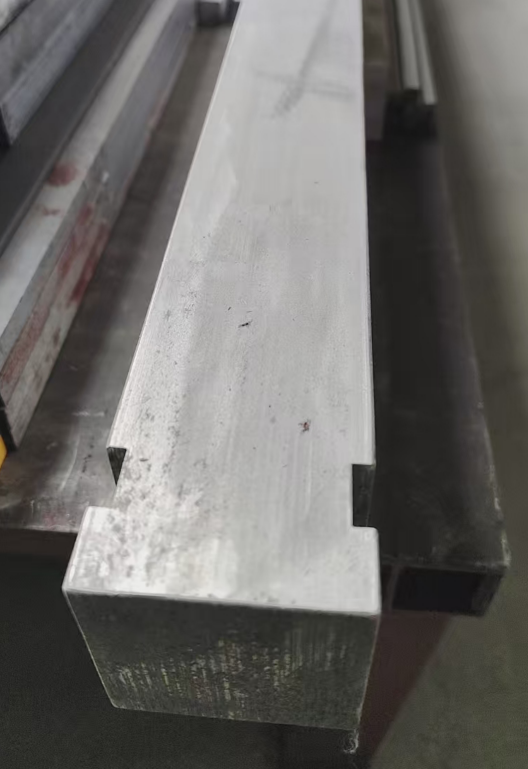
Metal molds are commonly used for carbon fiber products. The cost of the molds is very high. They are usually made of aluminum alloy or steel. For larger products, steel molds are often used to ensure higher performance of the carbon fiber products and greater flatness. Large carbon fiber products especially require metal molds to ensure overall flatness and higher reusability, enabling mass production.
From the shell to the rotor: How does carbon fiber composite material "penetrate" the entire body of a drone?
Carbon Fiber Plate Production Process
Related Article

Carbon fiber composites, with their lightweight, high strength, and excellent electromagnetic properties, are becoming the preferred choice for drone manufacturing. From the shell to the rotor, they not only reduce weight but also improve flight efficiency and durability. Advanced processes such as compression molding and autoclave technology are further driving breakthroughs in drone performance, contributing to the future modular and intelligent development.
Why are more and more drones using carbon fiber casings?
Carbon fiber composites have wide applications in aerospace, industrial manufacturing etc. Their advantages, such as lightweight, high strength, corrosion resistance, good electrical conductivity, and excellent electromagnetic shielding, are increasingly recognized. Shenzhen Ant Carbon Fiber Co., Ltd., drawing on years of production experience, will answer some common questions today for your reference.
Basic knowledge about carbon fiber composite products
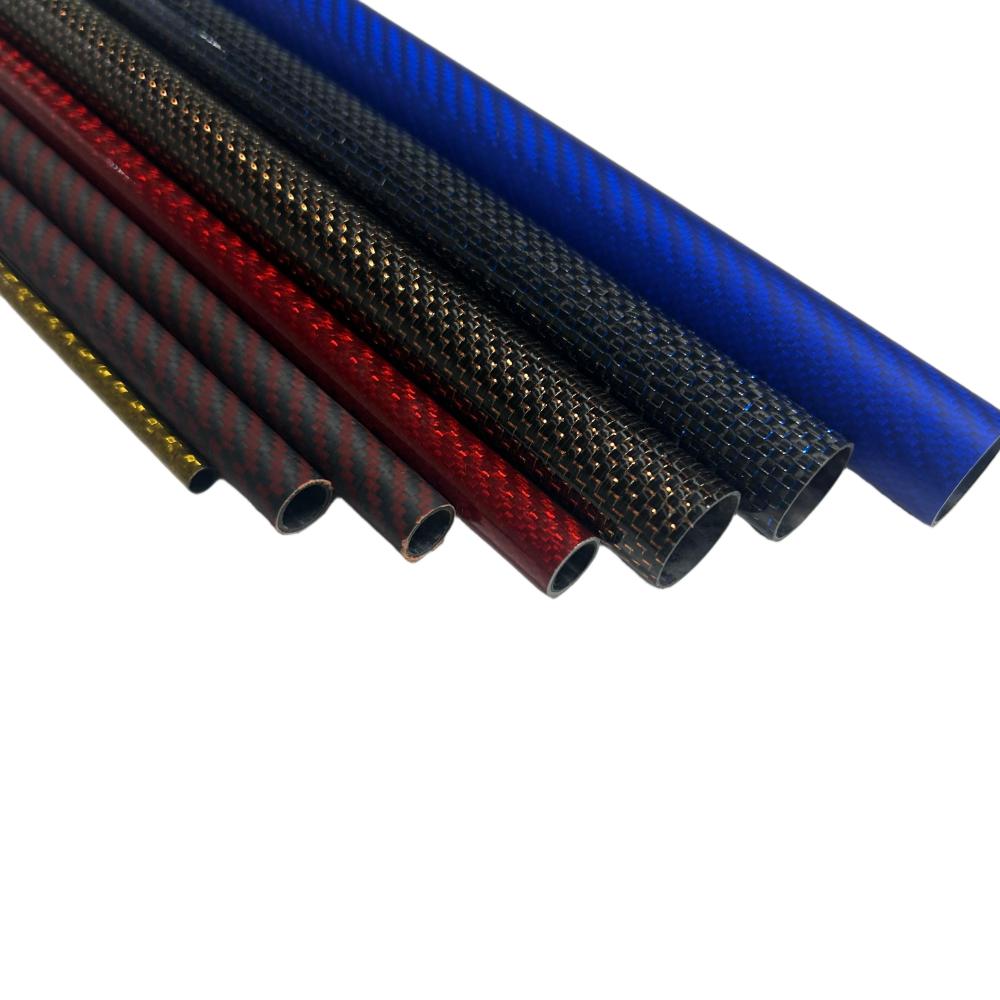
The processing of carbon fiber tubes requires different processing techniques for different applications, but the most common process is to process holes in carbon fiber tubes. In order to meet the processing requirements, we must pay more attention to the hole processing. In this process, some defects are prone to occur, with delamination being the most common. What are these details?
The formation of delamination phenomenon in carbon fiber tube hole processing
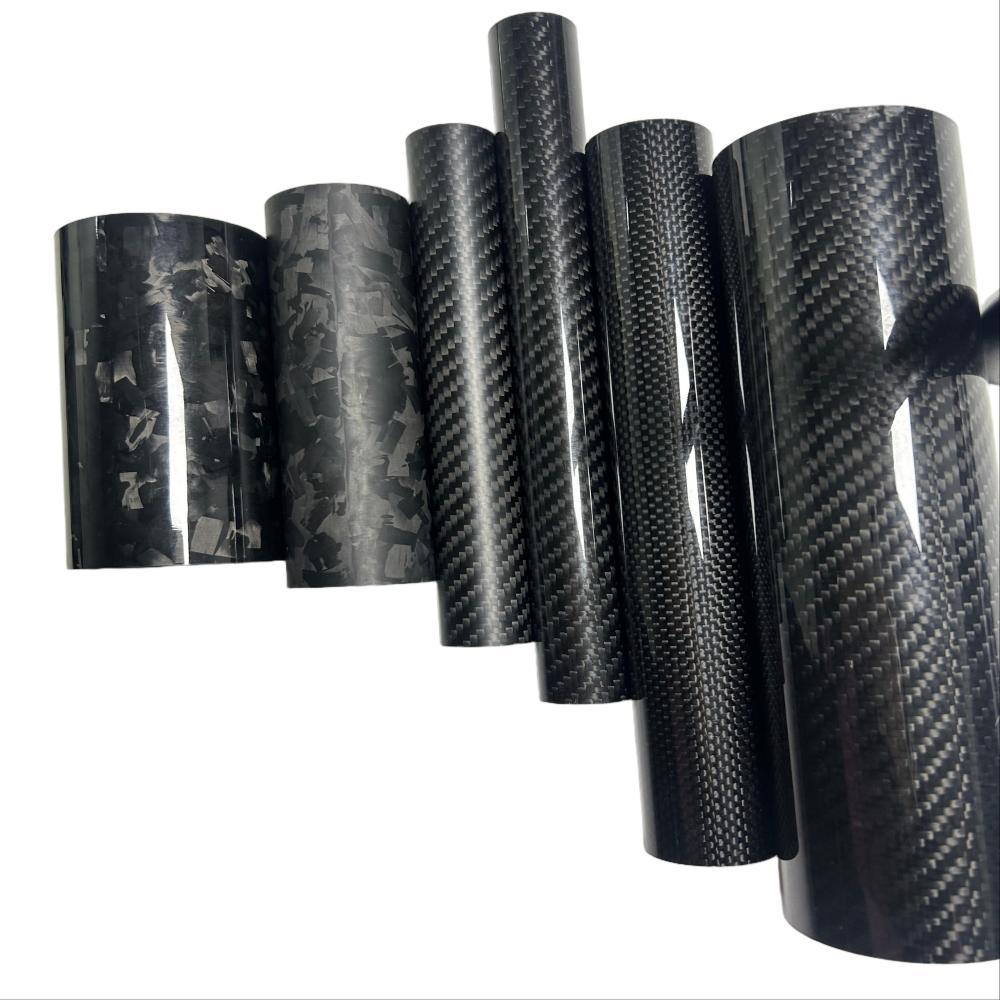
Carbon fiber tubing, also known as carbon tube or carbon fiber tube, is composed of carbon fiber material and specific resin materials. It is widely used in various supporting equipment such as drones, rotating shafts, rollers, medical devices, sports equipment, and high-end camera slide rails, and is one of the lightweight materials used in high-end industrial fields to replace metal tubing.
What are the key factors affecting the quality of carbon fiber tubing?