From the shell to the rotor: How does carbon fiber composite material "penetrate" the entire body of a drone?
author: Lily
2025-11-16
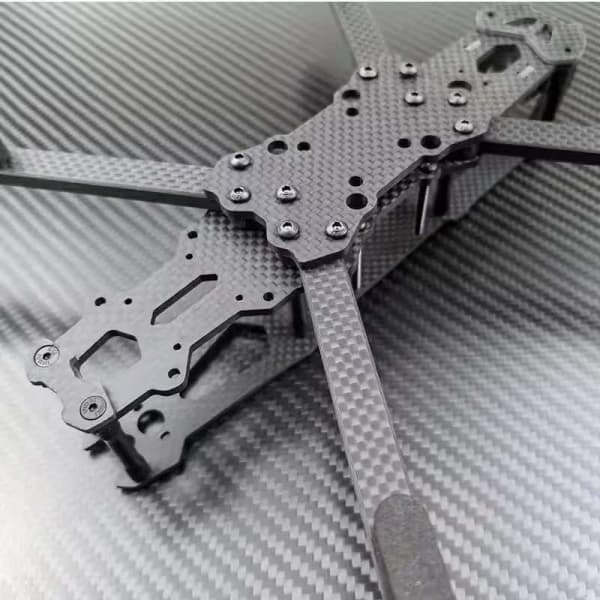
What are carbon fiber composite materials? Why have they become the preferred choice for drone manufacturing?
Carbon fiber reinforced polymer (CFRP) is a composite structural material formed by combining carbon fibers with resin matrix. It has the advantages of low density (~1.6g/cm³), high specific strength, good thermal stability, and strong corrosion resistance.
Compared with aluminum alloys or engineering plastics, CFRP has significant advantages in terms of impact resistance, fatigue life, and electromagnetic performance, and is particularly suitable for aircraft structure design that requires high load-bearing capacity and extreme environmental adaptability. Carbon fiber components for drones: Not only lightweight, but also stronger.
The application of carbon fiber in unmanned aerial vehicles is no longer limited to the shell; nowadays, it covers various parts such as structural supports and functional modules:
Shell and main body: Achieving the lightweight design and high-strength protection of the overall framework of the aircraft.
Rotors and blades: Enhance aerodynamic efficiency and reduce noise. Landing gear and installation bracket: Possess extremely high compressive strength and excellent dynamic load-bearing capacity. Communication/Radar Dome: Exhibits excellent electromagnetic penetration capability and is suitable for integrating antennas or sensitive electronic equipment.
Especially in high-end strike and reconnaissance unmanned aerial vehicles and logistics transportation unmanned aerial vehicles, high-stiffness structural components have become the core of the design, and carbon fiber components thus occupy a key position.
How are lightweight drone components manufactured? Unveiling the core processes.
Lightweighting is not only dependent on the material itself, but is also closely related to advanced manufacturing processes. Currently, the mainstream methods for manufacturing carbon fiber components in drones include:
1. Molding (SMC/BMC): Suitable for mass production of complex curved shells and structural panels, with high repeatability.
2. Hot press molding (Autoclave): Suitable for high-performance composite structural components for aerospace applications, with high internal density.
3. Vacuum-assisted resin infusion (VARI): Suitable for large structural components, with excellent cost-effectiveness.
4. Pre-impregnated laminate + CNC cutting: Suitable for the development of small-batch and highly customized drone parts.
By leveraging CAD/CAE analysis and topology optimization techniques, structural designers can further eliminate redundant structures, thereby enhancing flight power efficiency and unit load utilization.
Future trends in drone manufacturing: modularization, lightweighting, and intelligence
With the emergence of applications such as eVTOL (electric vertical takeoff and landing aircraft), unmanned cargo aircraft, and military reconnaissance and strike platforms, the demand for lightweight unmanned aerial vehicle components with composite material structures continues to grow.
Future trends include:
1. Automated layering robot + digital molding: Enhancing the efficiency and consistency of composite material molding.
2. Composite materials + embedded sensors: Achieving structural condition monitoring and intelligent maintenance.
3. Integral molding structure design: Reduces assembly parts, enhances the overall strength and sealing performance of the machine.
Conclusion: Why should we choose carbon fiber for the drone shell now?
Whether it is to enhance the flight duration of aircraft, increase the payload capacity, or to break through the durability barriers in complex mission environments, carbon fiber drone shells and carbon fiber components of drones offer industry-leading solutions.
For drone enterprises that pursue high performance, intelligent manufacturing, and long-term reliability, mastering the capabilities of composite material design and manufacturing is not only the key to technological upgrading, but also the future guarantee for winning the market competition.
Pultrusion process of carbon fiber sheets
What types of materials are used for molds used in the molding and production of carbon fiber products?
Related Article

Carbon fiber composites, with their lightweight, high strength, and excellent electromagnetic properties, are becoming the preferred choice for drone manufacturing. From the shell to the rotor, they not only reduce weight but also improve flight efficiency and durability. Advanced processes such as compression molding and autoclave technology are further driving breakthroughs in drone performance, contributing to the future modular and intelligent development.
Why are more and more drones using carbon fiber casings?
Carbon fiber composites have wide applications in aerospace, industrial manufacturing etc. Their advantages, such as lightweight, high strength, corrosion resistance, good electrical conductivity, and excellent electromagnetic shielding, are increasingly recognized. Shenzhen Ant Carbon Fiber Co., Ltd., drawing on years of production experience, will answer some common questions today for your reference.
Basic knowledge about carbon fiber composite products
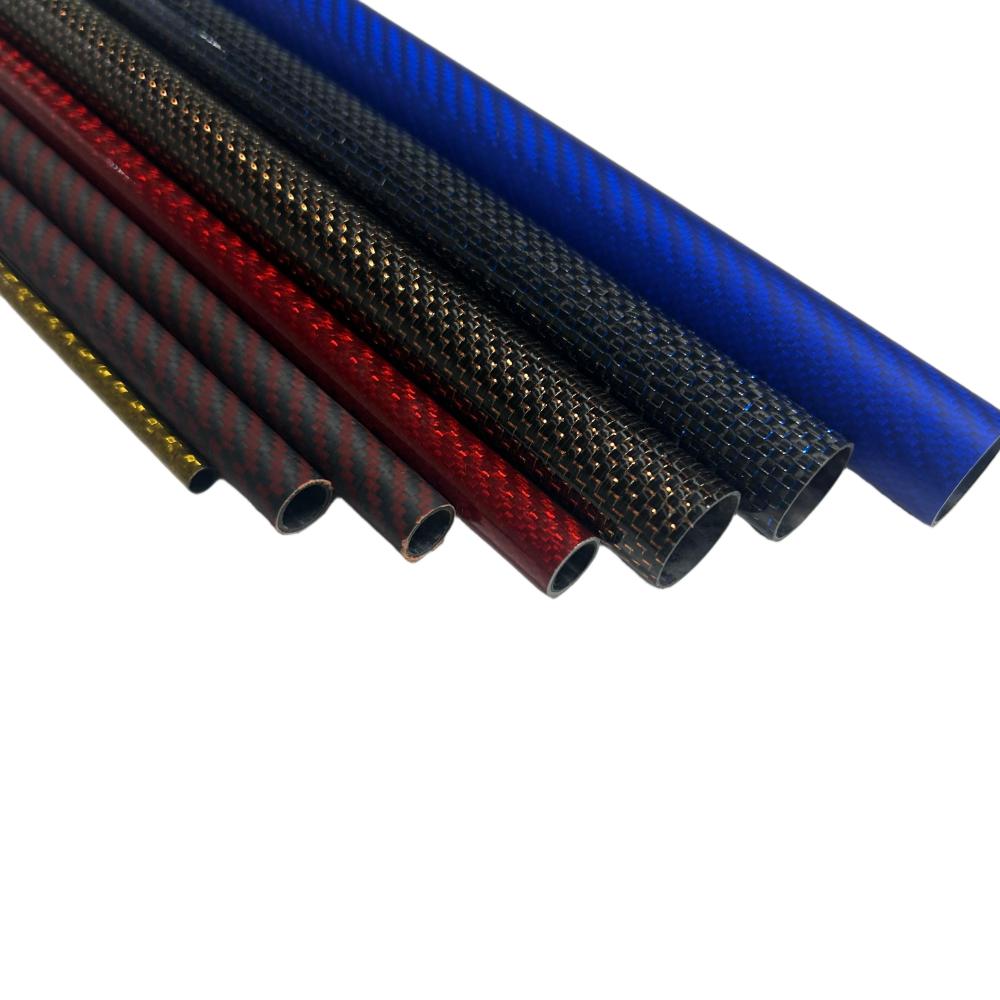
The processing of carbon fiber tubes requires different processing techniques for different applications, but the most common process is to process holes in carbon fiber tubes. In order to meet the processing requirements, we must pay more attention to the hole processing. In this process, some defects are prone to occur, with delamination being the most common. What are these details?
The formation of delamination phenomenon in carbon fiber tube hole processing
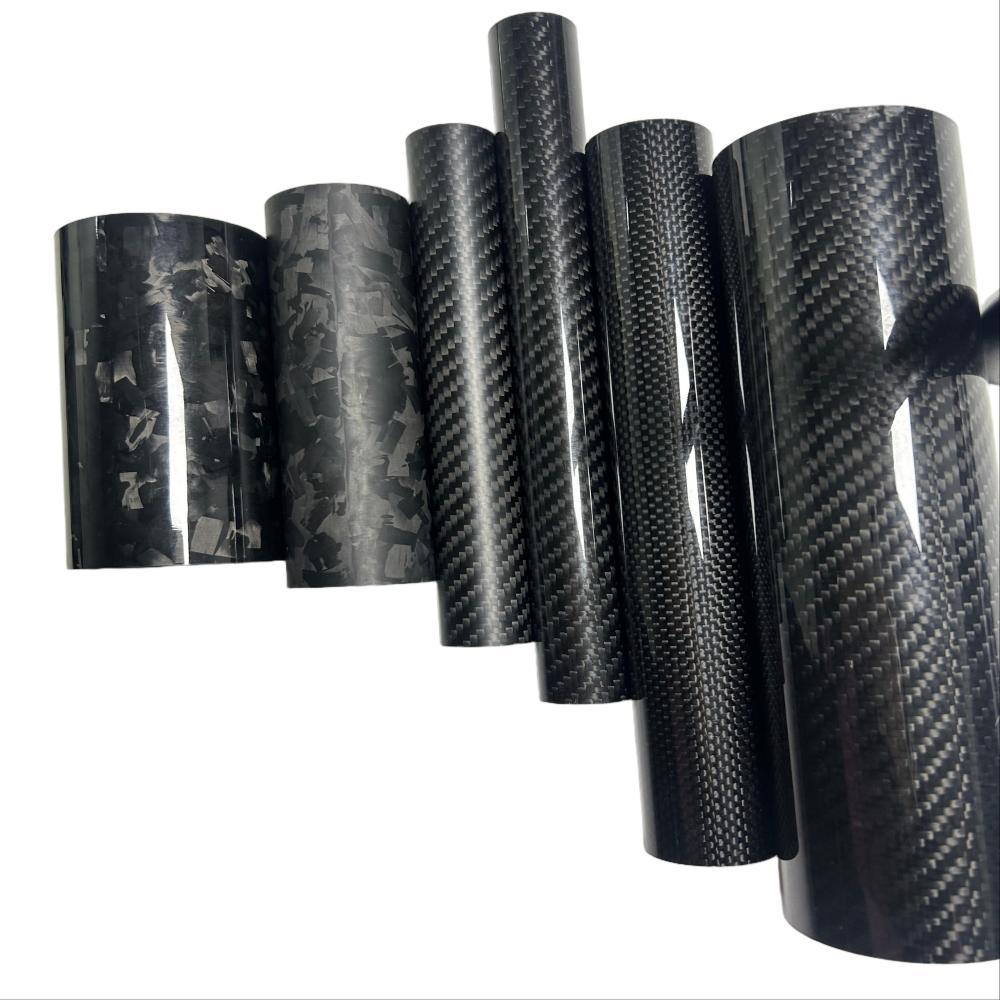
Carbon fiber tubing, also known as carbon tube or carbon fiber tube, is composed of carbon fiber material and specific resin materials. It is widely used in various supporting equipment such as drones, rotating shafts, rollers, medical devices, sports equipment, and high-end camera slide rails, and is one of the lightweight materials used in high-end industrial fields to replace metal tubing.
What are the key factors affecting the quality of carbon fiber tubing?