Thickness specifications, main applications, and processing precautions for carbon fiber sheets
author: Lily
2025-11-28
Thickness specifications, main applications, and processing precautions for carbon fiber sheets
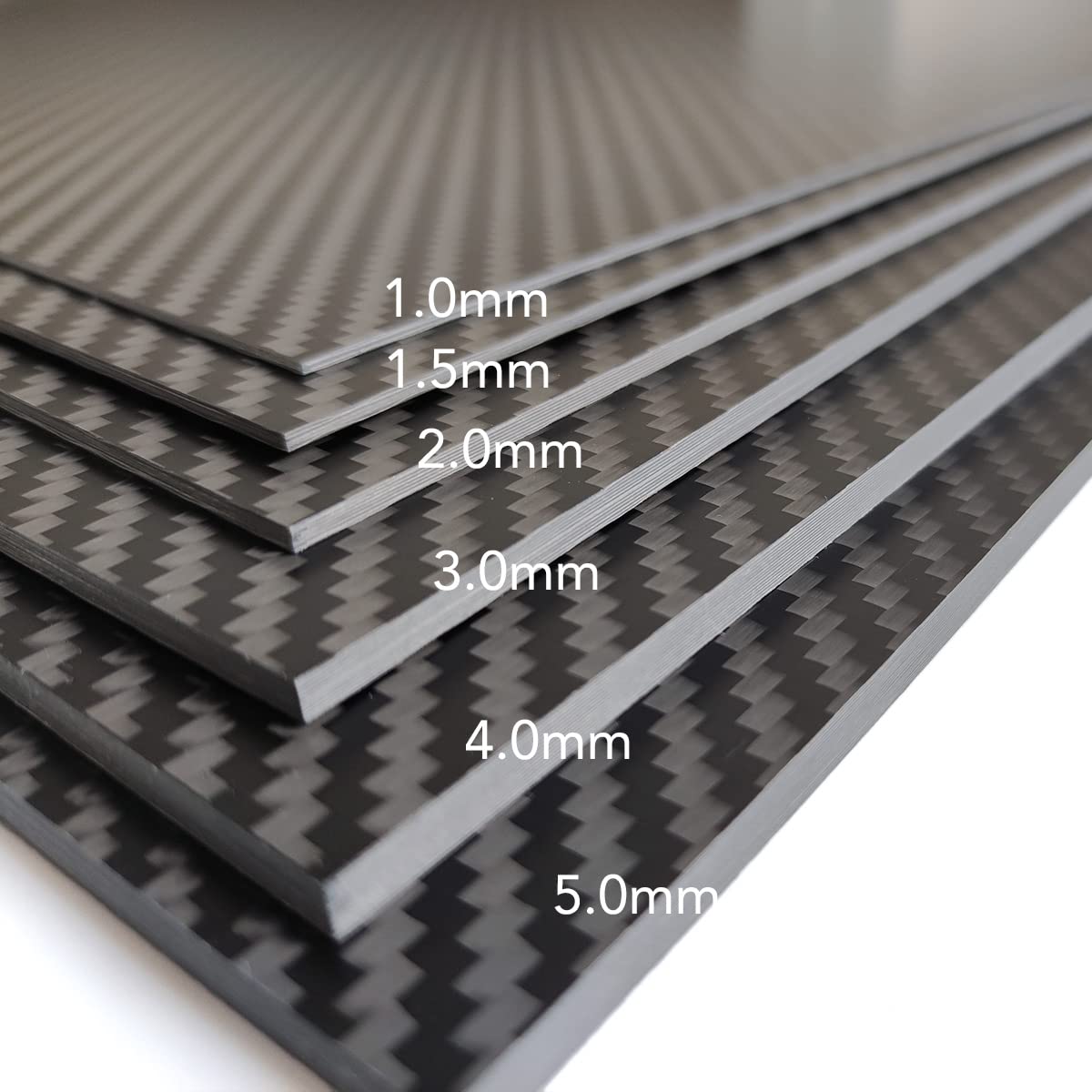
To meet the needs of different applications, carbon fiber sheets are often available in various thicknesses. The thinner the carbon fiber sheet, the easier it is to bend without fatigue; conversely, thicker carbon fiber sheets are practically impossible to bend, which is very useful if a strong, high-rigidity material is needed to meet design requirements.
Carbon fiber sheets come in various thicknesses, and these thicknesses can vary slightly depending on the manufacturer. While manufacturers sometimes offer customized products, in most cases, carbon fiber sheets are available in the following thicknesses and sizes:
1. 0.013 inches (0.33 mm) — This is an extremely thin carbon fiber sheet, roughly the thickness of two sheets of computer paper. It can be easily cut with a pair of household scissors and is also easily bent around a one-inch cylinder. This thickness of carbon fiber sheet is typically used for decorative purposes.
1. 0.013 inches (0.33 mm) — This is an extremely thin carbon fiber sheet, roughly the thickness of two sheets of computer paper. It can be easily cut with a pair of household scissors and is also easily bent around a one-inch cylinder. This thickness of carbon fiber sheet is typically used for decorative purposes.
2. 0.020 inches (0.50 millimeters)—about the thickness of five sheets of paper—can be cut with a heavy-duty pair of scissors. They can still be bent, but not as easily as 0.013-inch carbon fiber sheets. Sheets of this thickness can be bent around a cylinder of about four inches. When used to cover substrates with minor imperfections, the added thickness and stiffness also provide some camouflage.
3. 0.032 inches (0.80 mm) — This is a fairly rigid carbon fiber sheet, but it still retains some flexibility. It's almost as thick as an audio CD. Carbon fiber sheets of this thickness are typically flat, but they can be bent around cylinders with a diameter of 10-12 inches. It is primarily used as a semi-rigid veneer or lightweight structural material. It can be cut with tin snips, a saw, a razor, or a grinding wheel (such as a Dremel tool). If a smooth edge is required, the cut edges will need to be sanded with 220-grit sandpaper.
4. 0.125 inches (3.175 mm) — This ⅛-inch thick carbon fiber sheet is extremely durable and strong. It is also a perfect material for structural applications. When cutting, a saw, carbide, bimetallic, or diamond-coated tools must be used, and the edges must be sanded smooth.
5. 0.25 inches (6.35 mm) – At a thickness of 1/4 inch, these carbon fiber sheets are redundant for most applications. However, by cutting these sheets, they can be used to machine small carbon fiber parts. When cutting carbon fiber sheets this thick, specialized
6. tools such as carbide, bimetallic, or diamond-coated cutting surfaces must be used.
As mentioned above, different cutting tools are used when cutting carbon fiber sheets of each thickness, but the use of jigsaws or circular saws for rapid cutting is not recommended as this generates a large amount of carbon fiber dust, which can irritate the eyes and lungs.
As mentioned above, different cutting tools are used when cutting carbon fiber sheets of each thickness, but the use of jigsaws or circular saws for rapid cutting is not recommended as this generates a large amount of carbon fiber dust, which can irritate the eyes and lungs.
Even rapid cuts often leave very rough edges when cutting carbon fiber sheets. It's best to protect the surface from scratches with tape or similar material when cutting carbon fiber sheets. Wearing appropriate personal protective equipment is always a good idea for operators cutting carbon fiber sheets; key protective gear includes goggles, long sleeves, a face mask, and gloves.
The Difference Between Wet and Dry Carbon Fiber
Pultrusion process of carbon fiber sheets
Related Article

Carbon fiber composites, with their lightweight, high strength, and excellent electromagnetic properties, are becoming the preferred choice for drone manufacturing. From the shell to the rotor, they not only reduce weight but also improve flight efficiency and durability. Advanced processes such as compression molding and autoclave technology are further driving breakthroughs in drone performance, contributing to the future modular and intelligent development.
Why are more and more drones using carbon fiber casings?
Carbon fiber composites have wide applications in aerospace, industrial manufacturing etc. Their advantages, such as lightweight, high strength, corrosion resistance, good electrical conductivity, and excellent electromagnetic shielding, are increasingly recognized. Shenzhen Ant Carbon Fiber Co., Ltd., drawing on years of production experience, will answer some common questions today for your reference.
Basic knowledge about carbon fiber composite products
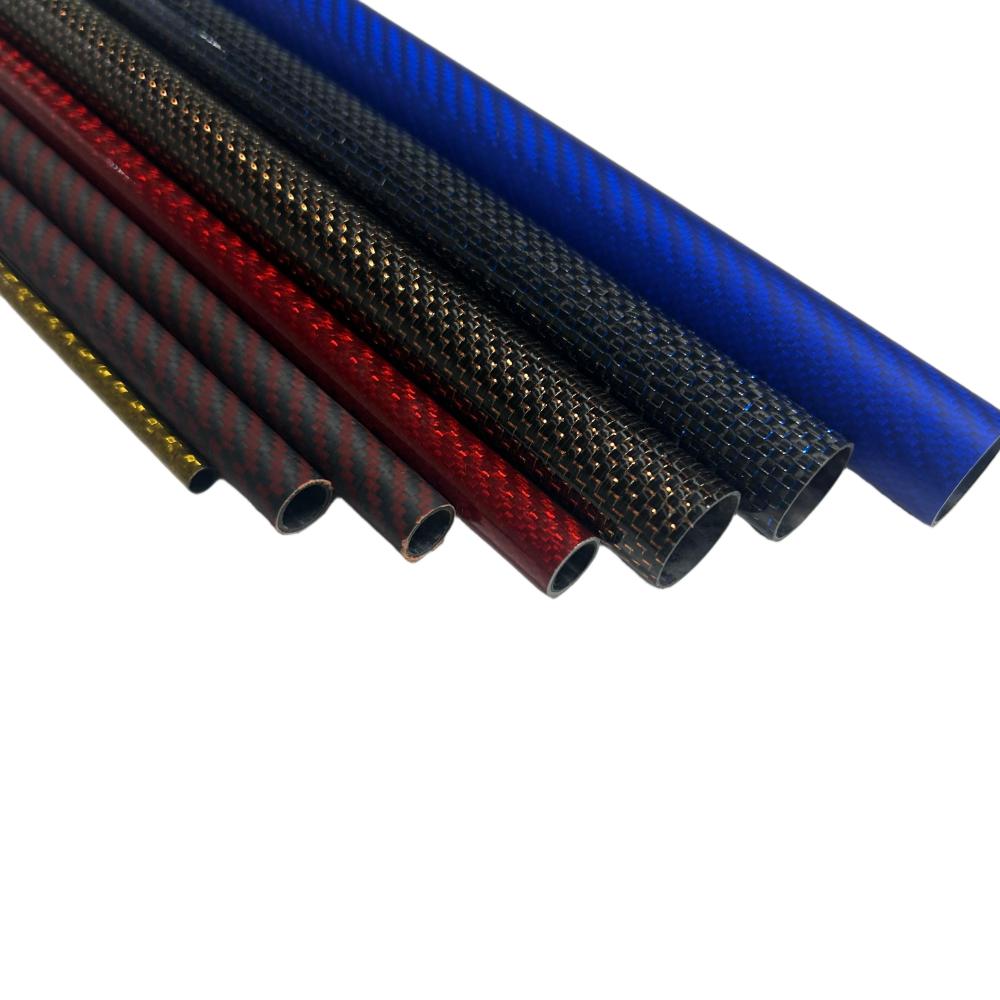
The processing of carbon fiber tubes requires different processing techniques for different applications, but the most common process is to process holes in carbon fiber tubes. In order to meet the processing requirements, we must pay more attention to the hole processing. In this process, some defects are prone to occur, with delamination being the most common. What are these details?
The formation of delamination phenomenon in carbon fiber tube hole processing
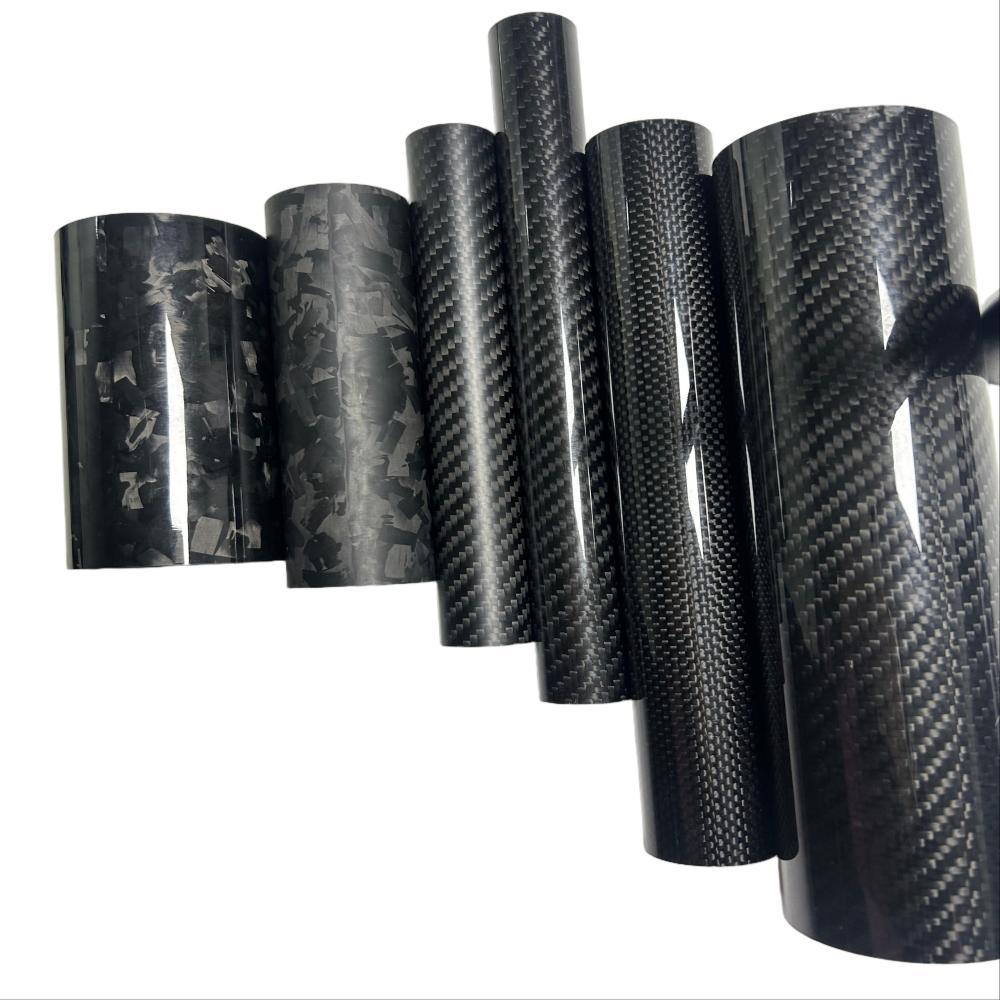
Carbon fiber tubing, also known as carbon tube or carbon fiber tube, is composed of carbon fiber material and specific resin materials. It is widely used in various supporting equipment such as drones, rotating shafts, rollers, medical devices, sports equipment, and high-end camera slide rails, and is one of the lightweight materials used in high-end industrial fields to replace metal tubing.
What are the key factors affecting the quality of carbon fiber tubing?