Carbon fiber tubes vs. fiberglass tubes: Which is better?
author: Lily
2025-12-07

Carbon fiber tubes vs. fiberglass tubes: Which is better?
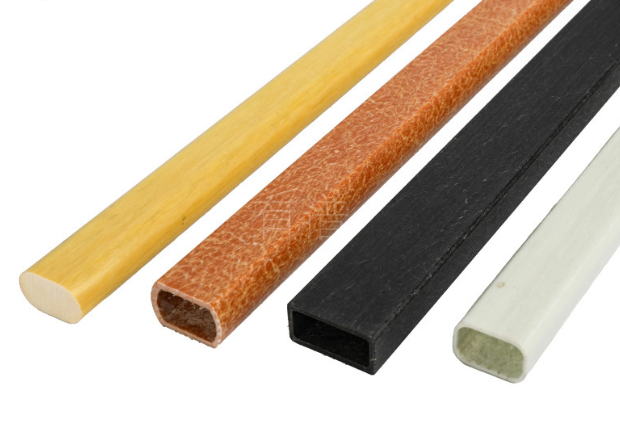
Glass fiber is definitely the older of the two materials. It is made by extruding it at high temperatures and under high pressure, and then combining the resulting material fibers with epoxy resin to form what is called fiber-reinforced plastic (FRP).
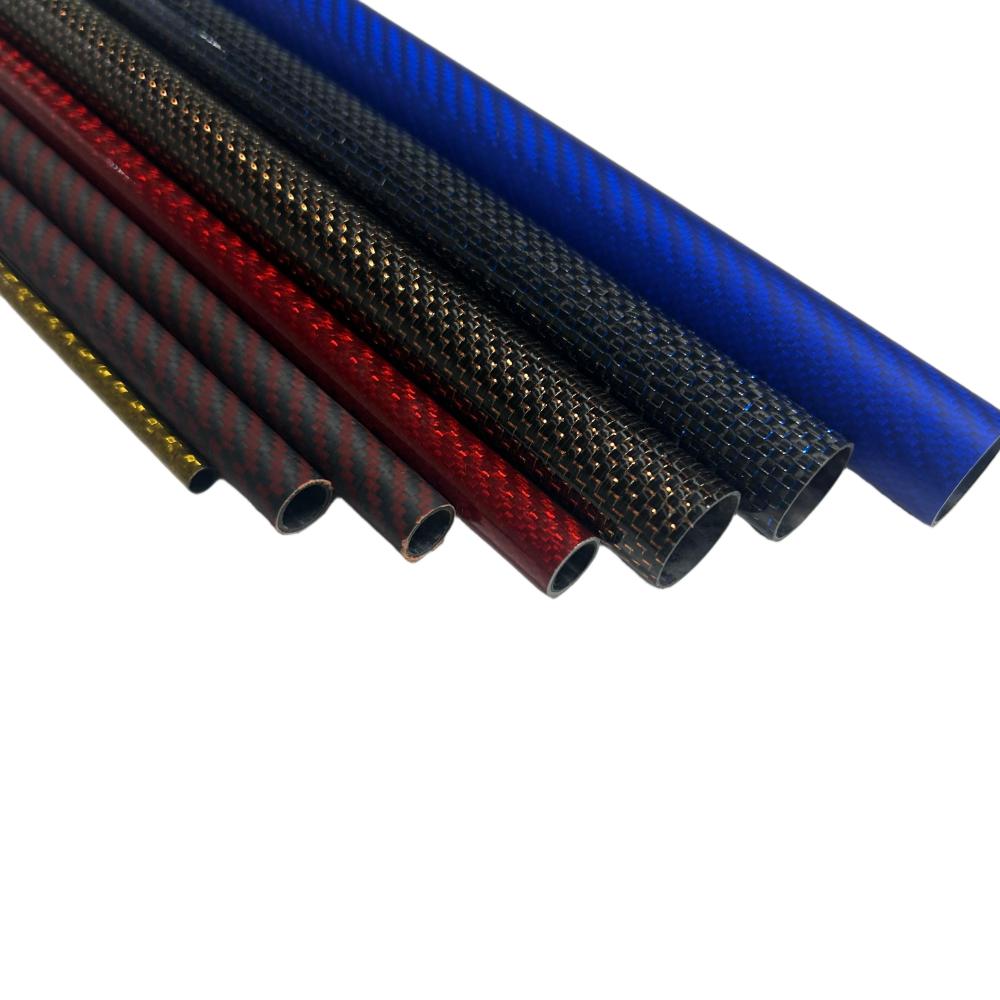
Carbon fiber is composed of carbon atoms linked together in long chains. Then thousands of fibers are combined into strands (also known as rovings). These strands can be woven together to form fabrics or laid flat to create "unidirectional" materials. At this stage, it is combined with epoxy resin to manufacture a wide range of products, from pipes and plates to racing cars and satellites.

Interestingly, raw glass fiber and carbon fiber exhibit similar processing characteristics. If you have black-dyed glass fiber, they look quite alike. It is not until after manufacturing that you start to notice the differences between the two materials: namely, strength, stiffness, and a small amount of weight (carbon fiber is slightly lighter than glass fiber). As for whether one is better than the other, the answer is "no". Both materials have their advantages and disadvantages, depending on the application.
- Glass fiber is often more flexible than carbon fiber and is cheaper.
For applications that do not require maximum rigidity, such as storage tanks, building insulation, protective helmets, and body panels, glass fiber is the preferred material. Glass fiber is also frequently used in high-volume applications where low unit cost is a priority.
- Carbon fiber truly shines in tensile strength.
As an original fiber, it is only slightly stronger than glass fiber, but it becomes extremely strong when used in combination with the appropriate epoxy resin. In fact, if manufactured correctly, carbon fiber is stronger than many metals. This is why manufacturers of all products, from aircraft to ships, are adopting carbon fiber instead of metal and glass fiber alternatives. Carbon fiber allows for greater tensile strength at a lighter weight.

- Durability
When durability is defined as "resilience", glass fiber is clearly the winner. Although all thermoplastic materials are relatively tough, the ability of glass fiber to withstand greater punishment is directly related to its flexibility. Carbon fiber is certainly harder than glass fiber, but this rigidity also means it is less durable.
Over the years, the markets for carbon fiber and glass fiber tubes and plates have grown sharply. That being said, glass fiber materials have a wider range of applications, resulting in more glass fiber being produced and a lower price.
Adding to the price difference is that manufacturing carbon fiber is a difficult and time-consuming process. In contrast, extruding molten glass to form glass fiber is relatively easy. As with anything else, the more difficult the process, the more expensive it is.
Ultimately, fiberglass tubes are neither better nor worse than their carbon fiber alternatives. Both products have their superior applications, and it all comes down to finding the material that suits your needs.
Steps for manufacturing high-strength carbon fiber tubes-Pipe Coiling Process
The entire process of carbon fiber SMC compression molding
Related Article

Carbon fiber composites, with their lightweight, high strength, and excellent electromagnetic properties, are becoming the preferred choice for drone manufacturing. From the shell to the rotor, they not only reduce weight but also improve flight efficiency and durability. Advanced processes such as compression molding and autoclave technology are further driving breakthroughs in drone performance, contributing to the future modular and intelligent development.
Why are more and more drones using carbon fiber casings?
Carbon fiber composites have wide applications in aerospace, industrial manufacturing etc. Their advantages, such as lightweight, high strength, corrosion resistance, good electrical conductivity, and excellent electromagnetic shielding, are increasingly recognized. Shenzhen Ant Carbon Fiber Co., Ltd., drawing on years of production experience, will answer some common questions today for your reference.
Basic knowledge about carbon fiber composite products
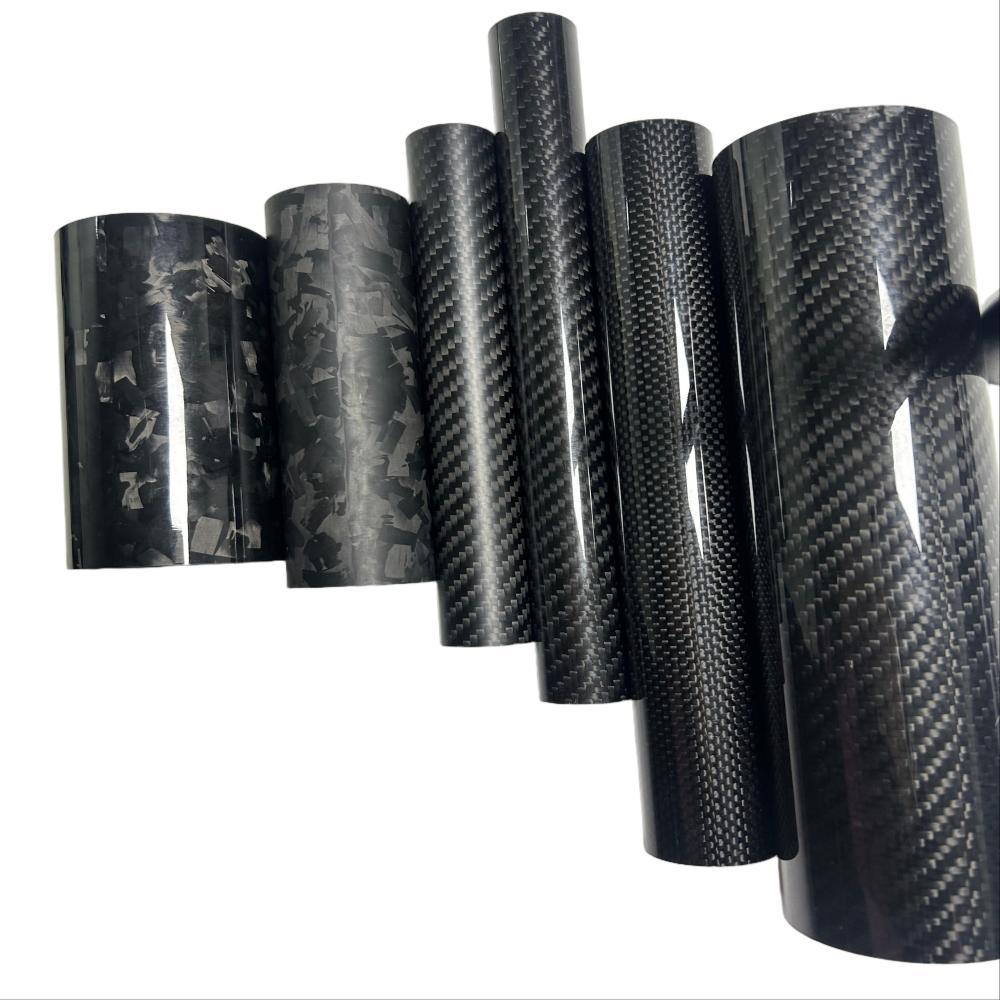
The processing of carbon fiber tubes requires different processing techniques for different applications, but the most common process is to process holes in carbon fiber tubes. In order to meet the processing requirements, we must pay more attention to the hole processing. In this process, some defects are prone to occur, with delamination being the most common. What are these details?
The formation of delamination phenomenon in carbon fiber tube hole processing
Carbon fiber tubing, also known as carbon tube or carbon fiber tube, is composed of carbon fiber material and specific resin materials. It is widely used in various supporting equipment such as drones, rotating shafts, rollers, medical devices, sports equipment, and high-end camera slide rails, and is one of the lightweight materials used in high-end industrial fields to replace metal tubing.
What are the key factors affecting the quality of carbon fiber tubing?