How to spray paint custom carbon fiber parts?
Why is carbon fiber coating different?
How to Spray Paint Custom Carbon Fiber Parts: A Step-by-Step Guide
Step 1: Surface Preparation
1.1 Clean the Surface: Thoroughly clean the carbon fiber part with a mild detergent and water. Remove all grease, dirt, and contaminants. For optimal cleaning, wipe the surface with isopropyl alcohol.
1.2 Sand Without Damaging the Fiber: Lightly sand the surface with fine-grit sandpaper (400-600 grit) to create a roughened texture for better paint adhesion. Avoid sanding through the resin to expose the fibers, as this weakens the structure and compromises the finish.
Step 2: Apply a Carbon Fiber-Safe Primer
Standard automotive primers do not adhere well to carbon fiber. Apply a thin, even coat of a specialized adhesion promoter first, following the manufacturer's instructions and allowing it to dry. Then, use a flexible, high-build primer designed for composites, such as polyurethane or epoxy-based primer, to create a smooth base for the topcoat.
Step 3: Select the Appropriate Paint
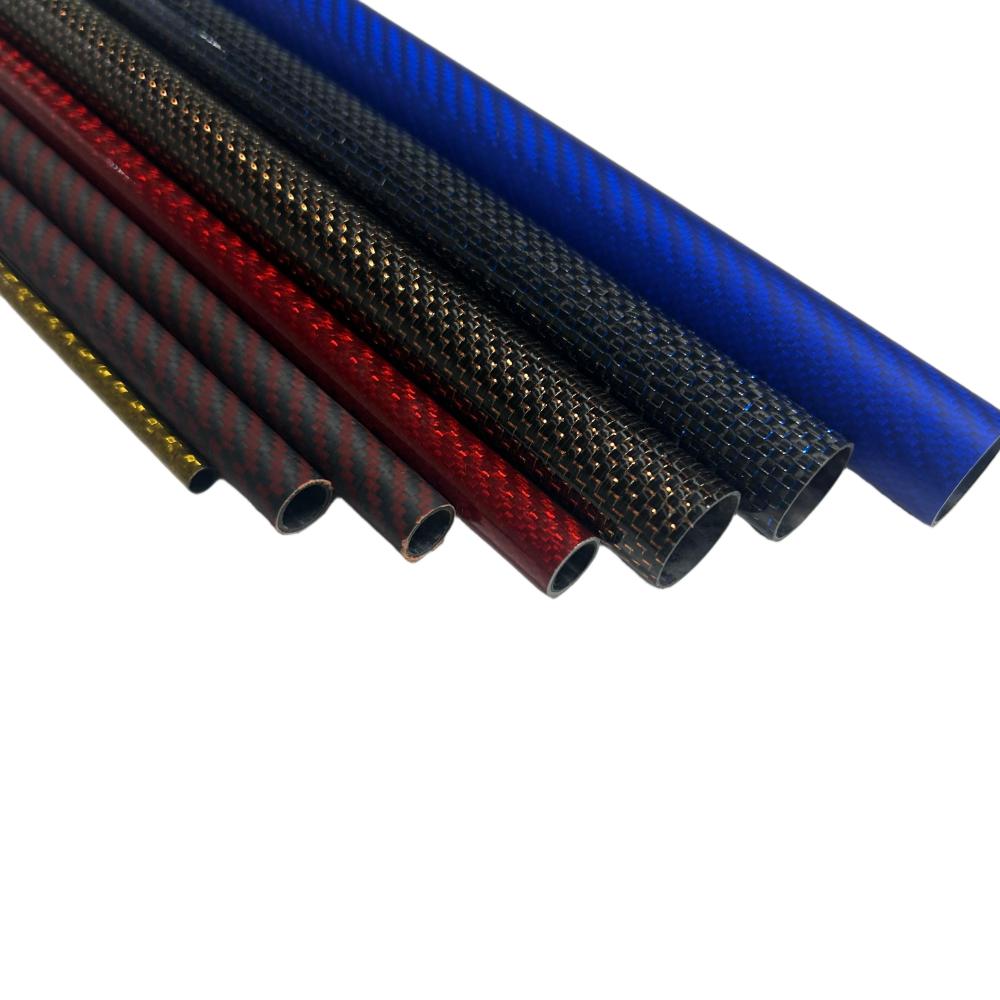
For a durable, professional finish, use polyurethane-based or acrylic enamel automotive paints. These paints offer flexibility to prevent cracking from the natural expansion/contraction of carbon fiber. To preserve the original carbon weave pattern while adding color, use transparent candy or tinted clear coats instead of opaque paints.
Step 4: Apply the Paint
4.1 Spray Technique: Use a high-quality spray gun for an even application. Apply multiple thin coats rather than one thick coat to prevent runs and ensure better adhesion. Allow proper flash-off time between coats as recommended by the paint manufacturer.
4.2 Custom Designs & Graphics: For custom designs, use vinyl stencils, masking techniques, or airbrushing. Layer colors and mask precisely to create complex patterns while maintaining a lightweight, durable surface.
Step 5: Seal with a High-Quality Clear Coat
5.1 Importance of Protective Clear Coat: Due to carbon fiber's exposure to UV rays and environmental elements, applying a high-quality, automotive-grade clear coat is essential. Use a UV-resistant, high-gloss polyurethane or ceramic clear coat to protect the paint and underlying fibers from fading or yellowing. Apply multiple thin coats, allowing proper drying time between layers.
5.2 Optional Finishing: For a flawless, mirror-like finish, the clear coat can be wet-sanded and polished after it has fully cured.
What are the performance advantages of carbon fiber PMI sandwich panels?
The electromagnetic properties of carbon fiber
Related Article