What are the performance advantages of carbon fiber PMI sandwich panels?
author: Lily
2025-12-11
What are the performance advantages of carbon fiber PMI sandwich panels?
Carbon fiber sandwich composites consist of three parts. The outermost layer is the skin, which is made of high-strength and high-modulus carbon fiber materials.
The middle layer is the core material, which generally includes foam and honeycomb types, providing sufficient cross-sectional support for the sandwich structure. Carbon fiber
sandwich composites can be used as structural components themselves or be composed of structural components, featuring light weight, high strength, good durability, strong plasticity,
and excellent insulation performance.
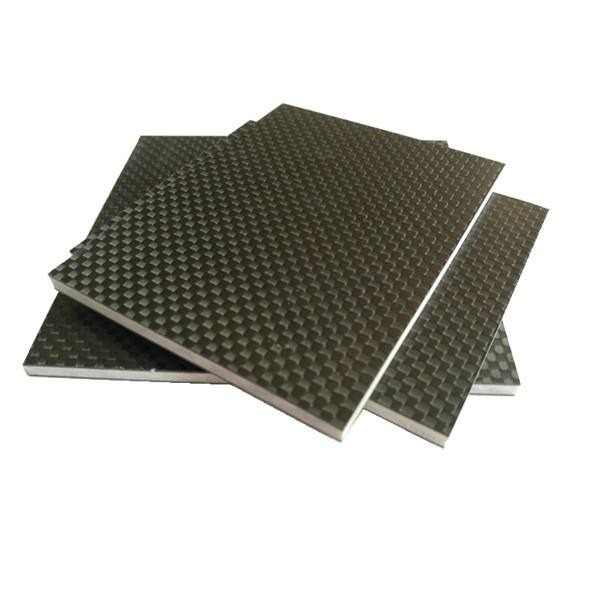
PMI board
In sandwich structures, honeycomb sandwich materials are favored by aircraft manufacturers for their light weight and high compressive modulus, and are widely used
In sandwich structures, honeycomb sandwich materials are favored by aircraft manufacturers for their light weight and high compressive modulus, and are widely used
as core materials in various lightweight structures. For instance, up to 46% of the surface of Boeing 757/767 aircraft is honeycomb sandwich structure. However, researchers
have found that cracks and voids occur in honeycomb sandwich structures during use, allowing water and water vapor to relatively easily enter the honeycomb core layer, resulting in high maintenance costs.
Poly(methyl methacrylimide) (PMI) foam is lightweight and has high hardness. Using the copolymer of methacrylic acid (MAA) and methyl acrylonitrile (MAN) as the matrix,
Poly(methyl methacrylimide) (PMI) foam is lightweight and has high hardness. Using the copolymer of methacrylic acid (MAA) and methyl acrylonitrile (MAN) as the matrix,
it features stable chemical properties, high heat distortion temperature and excellent mechanical performance, making it the preferred core material for high-performance composite sandwich structures. PMI foam can be well compatible with various resin systems and can be firmly bonded with thermosetting resin adhesives. It is completely closed-cell, has a high heat distortion temperature and good heat resistance. PMI foam is isotropic and has a high specific strength, and is easy to machine and cut.
Carbon fiber PMI sandwich panel
In aerospace and aviation applications, the foam core materials commonly used in carbon fiber composite sandwich structures are mostly PMI. Additionally, in the field of rail transportation, sandwich structures are typically chosen in vehicle manufacturing to reduce the energy consumption of automobiles. Carbon fiber composite sandwich structures applied in aerospace and rail transportation not only achieve lightweighting but also face dangerous situations such as high-speed impacts. The local collapse formed by high-speed collisions between objects can disrupt the overall configuration of the sandwich structure. The use of carbon fiber PMI composite materials not only enables lightweighting but also can withstand impacts and other conditions.
Carbon fiber PMI sandwich panel
The carbon fiber PMI foam sandwich panel features a 100% closed-cell structure and isotropy. Compared with carbon fiber honeycomb panels, it has a higher bending strength and can significantly enhance the ultimate load-bearing capacity of structural components. It adopts surface contact and has excellent compressive creep resistance. As the skin material, carbon fiber reinforced composite can better restrain the lateral deformation of the core material, thereby significantly improving the strength and stiffness of the component, allowing both materials to fully leverage their respective advantages.
Carbon fiber PMI sandwich panel
In aerospace and aviation applications, the foam core materials commonly used in carbon fiber composite sandwich structures are mostly PMI. Additionally, in the field of rail transportation, sandwich structures are typically chosen in vehicle manufacturing to reduce the energy consumption of automobiles. Carbon fiber composite sandwich structures applied in aerospace and rail transportation not only achieve lightweighting but also face dangerous situations such as high-speed impacts. The local collapse formed by high-speed collisions between objects can disrupt the overall configuration of the sandwich structure. The use of carbon fiber PMI composite materials not only enables lightweighting but also can withstand impacts and other conditions.
Carbon fiber PMI sandwich panel
The carbon fiber PMI foam sandwich panel features a 100% closed-cell structure and isotropy. Compared with carbon fiber honeycomb panels, it has a higher bending strength and can significantly enhance the ultimate load-bearing capacity of structural components. It adopts surface contact and has excellent compressive creep resistance. As the skin material, carbon fiber reinforced composite can better restrain the lateral deformation of the core material, thereby significantly improving the strength and stiffness of the component, allowing both materials to fully leverage their respective advantages.
CFRP (Carbon Fiber Reinforced Plastic) - The Current Situation and Latest Recycling Technologies of CFRP
How to spray paint custom carbon fiber parts?
Related Article

Carbon fiber composites, with their lightweight, high strength, and excellent electromagnetic properties, are becoming the preferred choice for drone manufacturing. From the shell to the rotor, they not only reduce weight but also improve flight efficiency and durability. Advanced processes such as compression molding and autoclave technology are further driving breakthroughs in drone performance, contributing to the future modular and intelligent development.
Why are more and more drones using carbon fiber casings?
Carbon fiber composites have wide applications in aerospace, industrial manufacturing etc. Their advantages, such as lightweight, high strength, corrosion resistance, good electrical conductivity, and excellent electromagnetic shielding, are increasingly recognized. Shenzhen Ant Carbon Fiber Co., Ltd., drawing on years of production experience, will answer some common questions today for your reference.
Basic knowledge about carbon fiber composite products
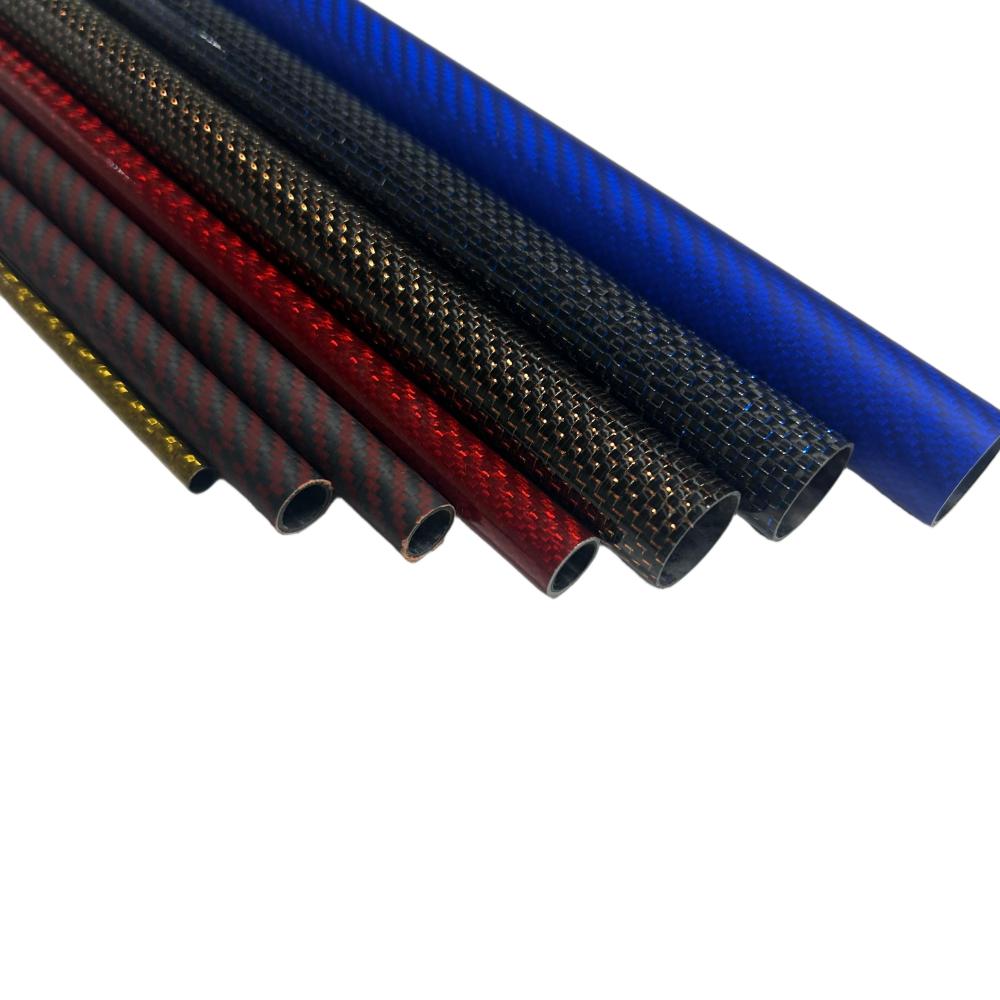
The processing of carbon fiber tubes requires different processing techniques for different applications, but the most common process is to process holes in carbon fiber tubes. In order to meet the processing requirements, we must pay more attention to the hole processing. In this process, some defects are prone to occur, with delamination being the most common. What are these details?
The formation of delamination phenomenon in carbon fiber tube hole processing
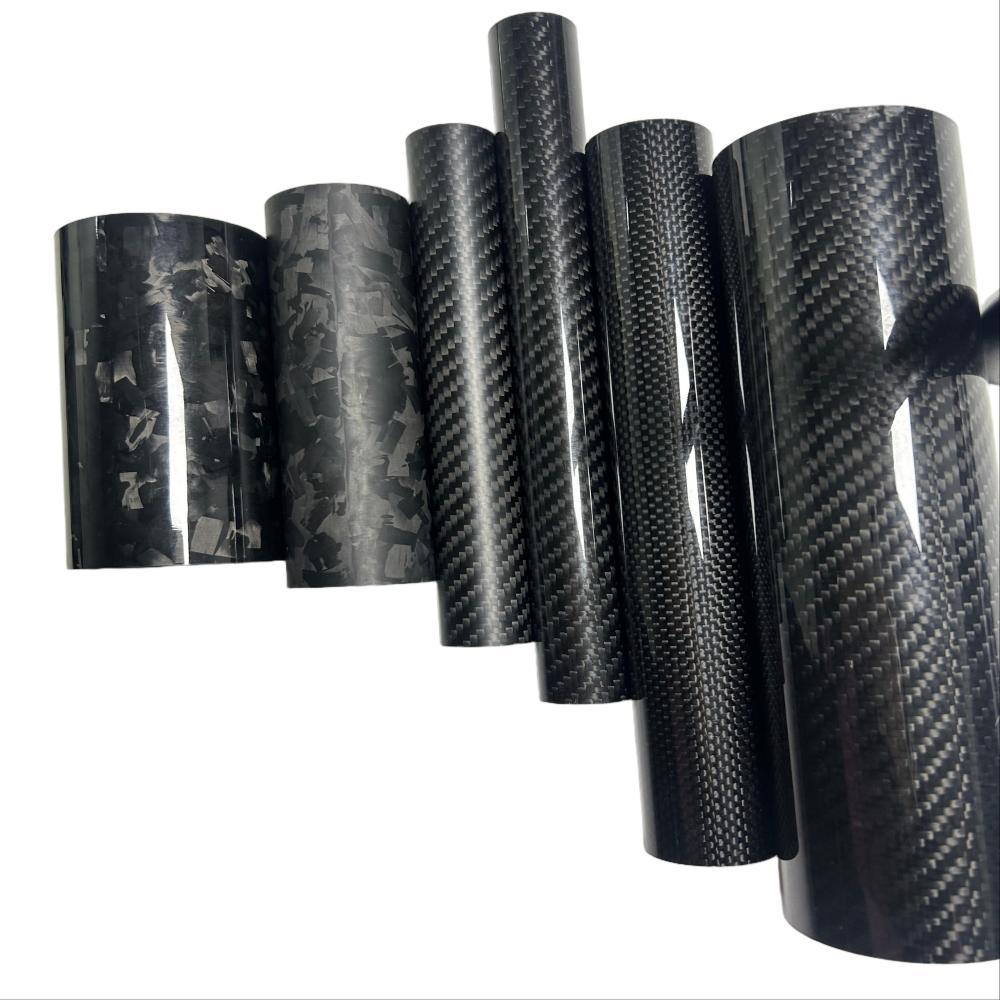
Carbon fiber tubing, also known as carbon tube or carbon fiber tube, is composed of carbon fiber material and specific resin materials. It is widely used in various supporting equipment such as drones, rotating shafts, rollers, medical devices, sports equipment, and high-end camera slide rails, and is one of the lightweight materials used in high-end industrial fields to replace metal tubing.
What are the key factors affecting the quality of carbon fiber tubing?