What is the performance difference between Chinease domestic carbon fiber and imported carbon fiber?
author: Lily
2025-12-14
I. Interpretation of Carbon Fiber Performance Indicators
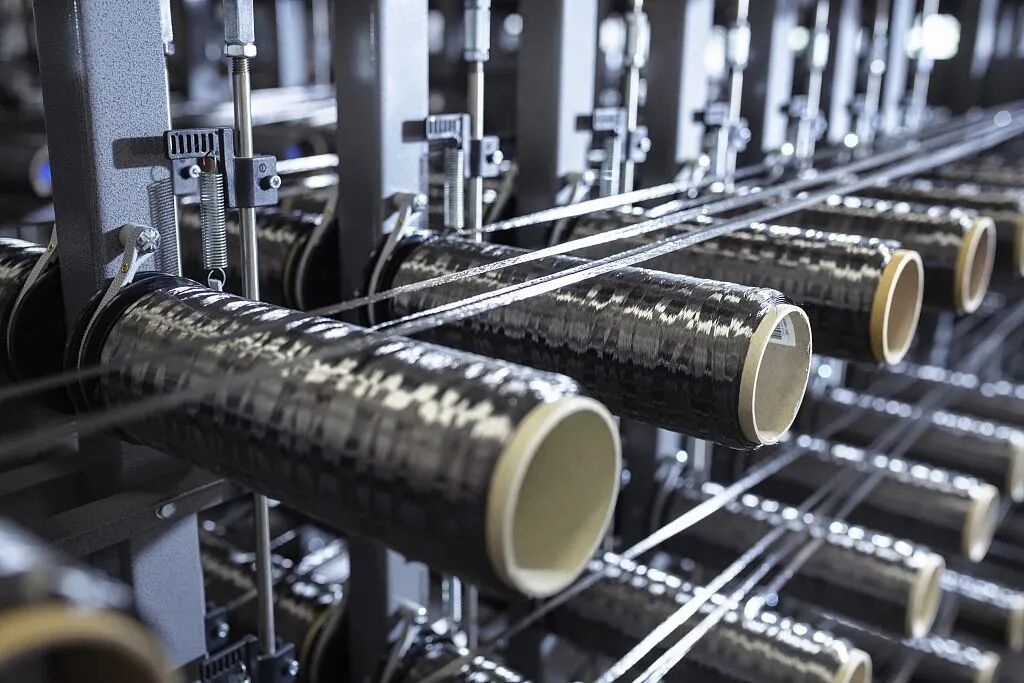
The performance of carbon fiber is mainly measured by several key indicators, which are like its "identity card", determining its applicability in different scenarios.
Tensile strength: It represents the maximum load-bearing capacity of the material when subjected to tension, similar to the maximum weight that a strongman can bear. In the aerospace field, for example, when an aircraft is flying at high altitudes, the wings need to withstand huge air forces. Carbon fibers with high tensile strength can ensure that the wings do not break under complex stress conditions, guaranteeing flight safety. For instance, in the manufacturing of some high-performance fighter aircraft wings, the requirement for carbon fiber tensile strength is extremely high.
Tensile modulus: It reflects the rigidity of the material, similar to measuring the hardness of a spring. In automotive manufacturing, a higher tensile modulus can make the vehicle structure more stable, improving the handling performance and collision safety of the vehicle. When a car turns at high speed, the high tensile modulus carbon fiber body components can reduce deformation and maintain the stability of the vehicle.
Density: It directly affects the degree of lightweight of the product, which is crucial in the pursuit of ultimate energy efficiency and speed. In the field of new energy vehicles, reducing the weight of the vehicle can effectively increase the range of the vehicle. Using low-density carbon fiber materials to manufacture the body can reduce the weight of the vehicle without affecting the performance of the vehicle, thereby reducing energy consumption.
Fracture elongation: It reflects the deformation ability of the material before fracture, like the extent to which an elastic band can be stretched. In the manufacturing of sports equipment such as tennis rackets, an appropriate fracture elongation can allow the racket to have a certain elastic deformation when hitting the ball, increasing the power and feel of the hit.
These indicators are interrelated yet independent of each other. They play different degrees of important roles in different application scenarios, and together they determine the performance of carbon fiber in actual use.
III. Performance Differences in Practical Applications
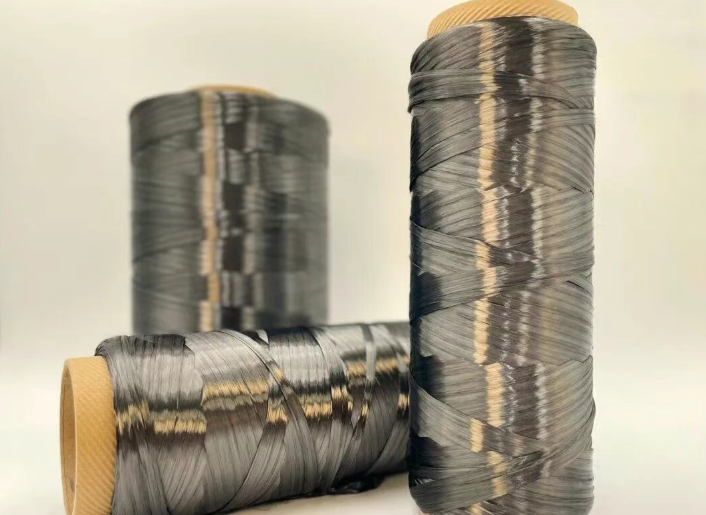
In the aerospace industry, where material performance requirements are extremely strict, imported carbon fibers have long held a dominant position due to their stable and outstanding performance. Key structural components of aircraft, such as wings and fuselages, can be better ensured for safety and fuel efficiency by using imported carbon fibers. Taking international renowned aircraft manufacturers like Boeing and Airbus as an example, they extensively use imported high-end carbon fiber materials in aircraft manufacturing. These aircraft need to operate under various complex weather conditions and flight scenarios, and have extremely high requirements for the reliability and stability of materials. Imported carbon fibers can meet these stringent requirements.
However, in the sports equipment field, domestic carbon fibers have been widely applied. In bicycle manufacturing, domestic carbon fiber bicycles, with their higher cost-effectiveness, are favored by many cycling enthusiasts. Although there is a slight difference in performance compared to imported products, through optimized design and manufacturing processes, domestic carbon fiber bicycles have achieved a good balance in lightweighting, rigidity, and comfort. In fishing rod manufacturing, domestic carbon fiber fishing rods also perform well, with their good toughness and strength, able to meet the needs of fishing enthusiasts in different water areas and fishing scenarios.
IV. Analysis of the Reasons Behind the Performance Gap
The reasons for the performance gap between domestic and imported carbon fibers are multifaceted and result from long-term accumulation.
Raw materials and production processes: Foreign enterprises have developed in the carbon fiber field earlier and possess more mature technologies and extensive experience. In the key process of raw fiber preparation, imported carbon fiber enterprises can precisely control the quality and stability of the raw fibers. The raw fibers are like the "seeds" of carbon fibers; only high-quality raw fibers can cultivate high-performance carbon fibers. Foreign enterprises, through advanced production equipment and processes, can strictly control the molecular structure and impurity content of the raw fibers, laying a solid foundation for the subsequent production of high-performance carbon fibers.
Research and development investment: Research and development investment is a key factor in promoting technological progress. Foreign carbon fiber enterprises have maintained high levels of research and development investment for a long time, continuously promoting technological innovation and performance improvement. They have top-notch research teams and advanced research equipment, which enables them to deeply study the microscopic structure and performance relationship of carbon fiber materials and develop more advanced production processes and products. In contrast, domestic carbon fiber enterprises still have room for improvement in terms of research and development funds and talent reserves, and need to further increase investment and attract and cultivate more outstanding scientific research talents.
V. The Development Prospects of Domestic Carbon Fibers
Although there is a performance gap at present, the development momentum of domestic carbon fibers is very strong and the future is full of hope. Domestic enterprises are continuously increasing their research and development investment, actively introducing advanced technologies and talents, and have achieved breakthroughs in some key technologies. Some domestic enterprises have achieved innovative results in the preparation technology of raw fibers, effectively improving the quality and stability of the raw fibers. At the same time, significant progress has been made in the optimization of carbon fiber production processes, and production efficiency and product performance have been improved.
With the continuous advancement of technology and the expansion of the industrial scale, domestic carbon fibers are expected to gradually narrow the performance gap with imported products and achieve higher levels of domestic substitution. With the strong support of national policies, the domestic carbon fiber industry will have a broader development space. We believe that in the near future, domestic carbon fibers will demonstrate strong competitiveness in more high-end fields and provide solid and powerful support for the development of China's high-end manufacturing industry.
In conclusion, although there is a performance gap between domestic and imported carbon fibers, domestic carbon fibers are constantly improving. We have reason to expect that domestic carbon fibers will achieve greater breakthroughs in the future and occupy an important position in the global carbon fiber market.
Autoclave dry carbon fiber process
CFRP (Carbon Fiber Reinforced Plastic) - The Current Situation and Latest Recycling Technologies of CFRP
Related Article

Carbon fiber composites, with their lightweight, high strength, and excellent electromagnetic properties, are becoming the preferred choice for drone manufacturing. From the shell to the rotor, they not only reduce weight but also improve flight efficiency and durability. Advanced processes such as compression molding and autoclave technology are further driving breakthroughs in drone performance, contributing to the future modular and intelligent development.
Why are more and more drones using carbon fiber casings?
Carbon fiber composites have wide applications in aerospace, industrial manufacturing etc. Their advantages, such as lightweight, high strength, corrosion resistance, good electrical conductivity, and excellent electromagnetic shielding, are increasingly recognized. Shenzhen Ant Carbon Fiber Co., Ltd., drawing on years of production experience, will answer some common questions today for your reference.
Basic knowledge about carbon fiber composite products
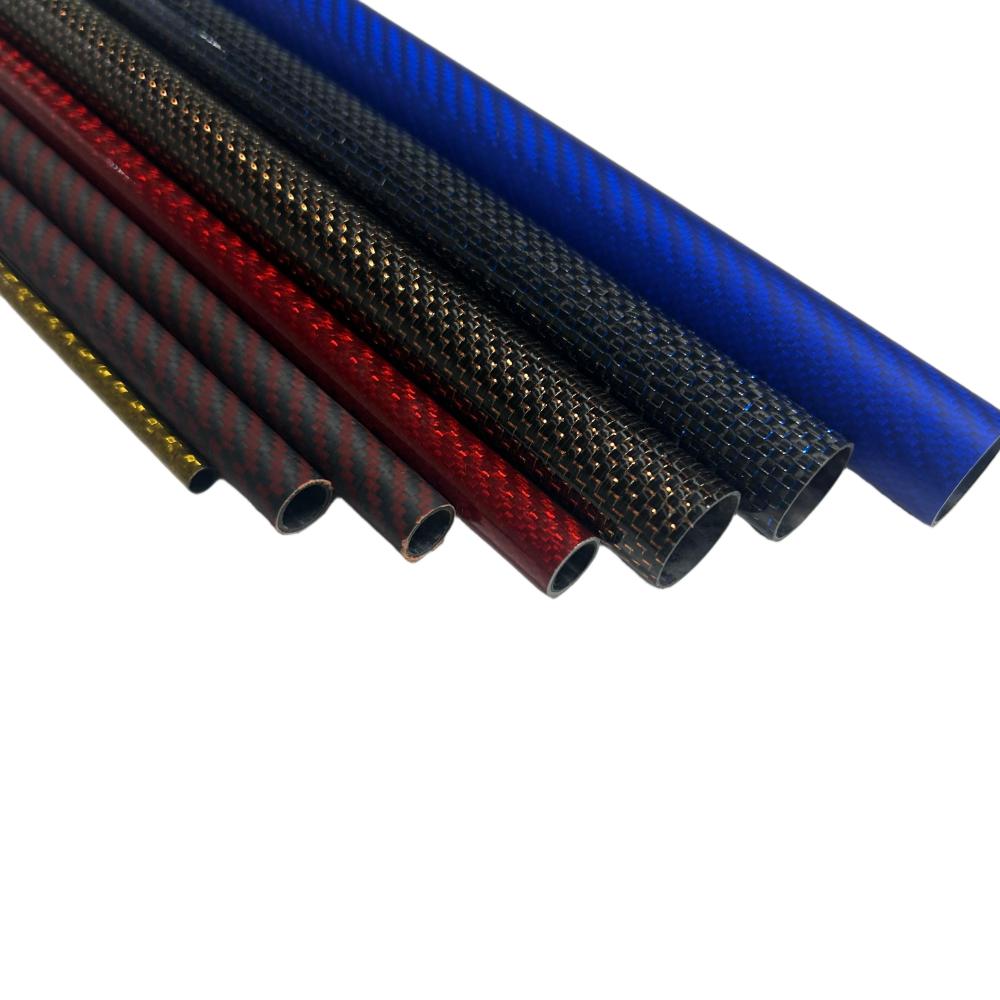
The processing of carbon fiber tubes requires different processing techniques for different applications, but the most common process is to process holes in carbon fiber tubes. In order to meet the processing requirements, we must pay more attention to the hole processing. In this process, some defects are prone to occur, with delamination being the most common. What are these details?
The formation of delamination phenomenon in carbon fiber tube hole processing
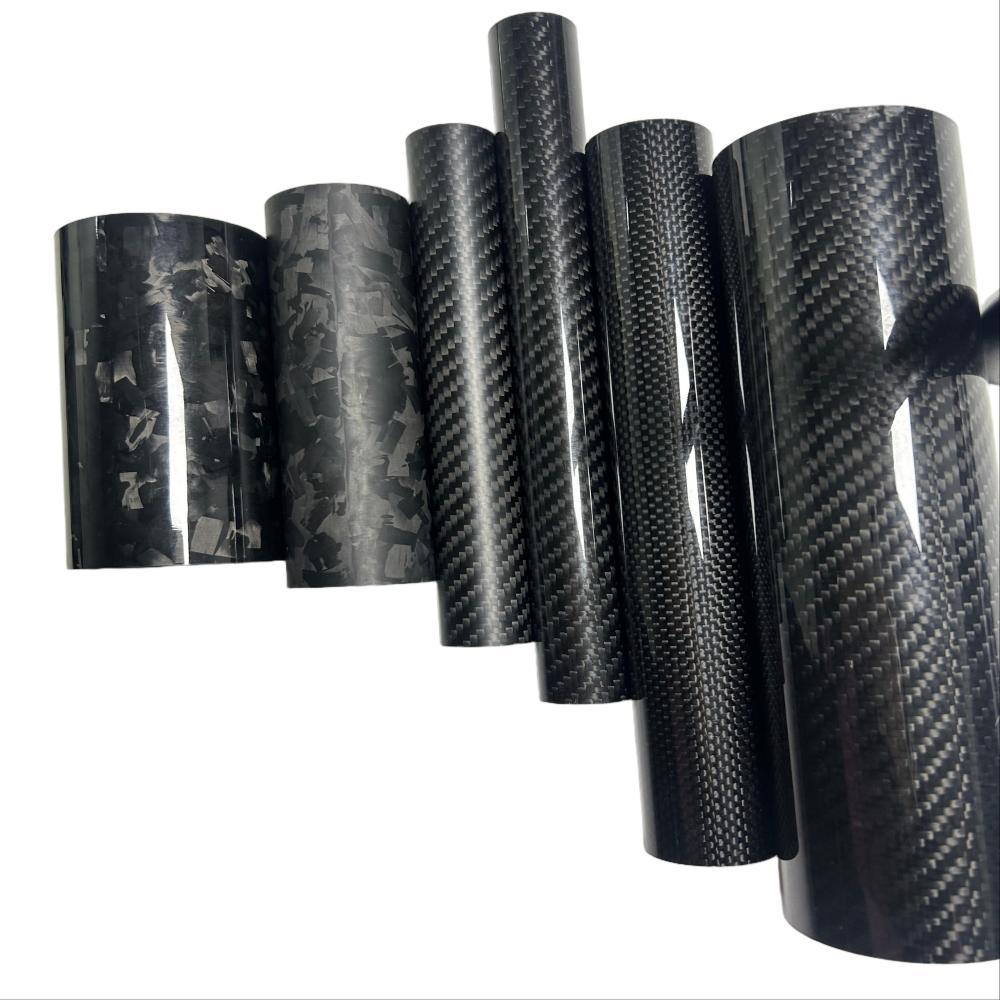
Carbon fiber tubing, also known as carbon tube or carbon fiber tube, is composed of carbon fiber material and specific resin materials. It is widely used in various supporting equipment such as drones, rotating shafts, rollers, medical devices, sports equipment, and high-end camera slide rails, and is one of the lightweight materials used in high-end industrial fields to replace metal tubing.
What are the key factors affecting the quality of carbon fiber tubing?