Short-cut carbon fibers, long carbon fibers, continuous carbon fibers, carbon fiber fabrics... How exactly do we distinguish them?
author: Lily
2025-12-17
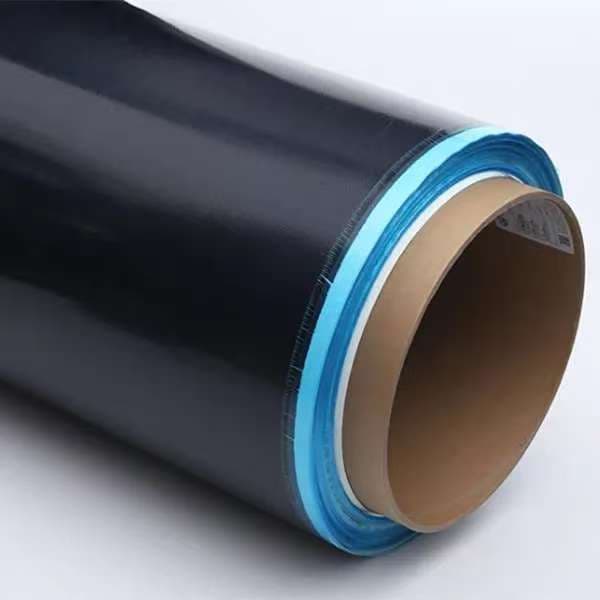
Carbon fiber is mainly produced from polyacrylonitrile (PAN) precursor fibers through processes such as pre-oxidation and carbonization. Based on
the length of the finished product and subsequent processing forms, it is mainly classified into the following major categories:
1. Continuous carbon fiber
This is the most "top-tier" and common form of carbon fiber, referring to continuous filament bundles with single filament lengths reaching several kilometers or more.
1. Continuous carbon fiber
This is the most "top-tier" and common form of carbon fiber, referring to continuous filament bundles with single filament lengths reaching several kilometers or more.
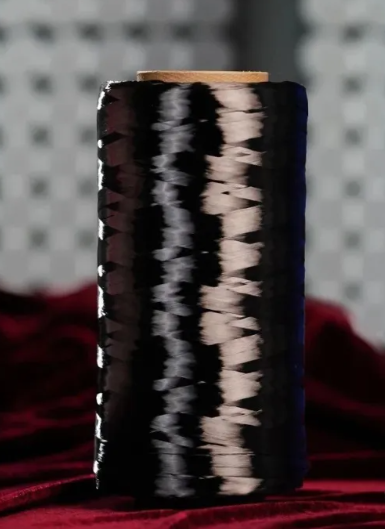
Form: Usually wound onto a bobbin in the form of yarn or filament bundles. Each filament bundle contains up to 1,000 (1K), 3,000 (3K), 12,000 (12K)
or even more individual carbon fibers. The smaller the number, the better the weaving performance is, making it easier to create complex surfaces; the larger
the number, the higher the lay-up efficiency is, and it is suitable for large-scale structures.
Performance Characteristics:
Ultimate performance: The highest strength and modulus of carbon fiber have been retained. The mechanical properties of the fibers (such as T300, T700, T800, M40J, etc.)
Performance Characteristics:
Ultimate performance: The highest strength and modulus of carbon fiber have been retained. The mechanical properties of the fibers (such as T300, T700, T800, M40J, etc.)
are fully demonstrated in this form.
Anisotropy: Its performance is highly dependent on the orientation of the fibers. Designers can precisely meet the mechanical requirements in specific directions through the layering design.
Requires secondary molding: It cannot be used directly on its own. It must be combined with resin (such as epoxy resin) through processes like pultrusion, winding, laying, vacuum infusion, RTM, etc., to form an reinforcing body and then composite with carbon fiber to produce CFRP products.
Market situation:
This is the core of the high-end and high-value-added market, with the highest technical barriers. The prices are also the highest, ranging from several dozen dollars per kilogram to several hundred dollars (depending on the performance level). The main driver of market growth comes from aerospace (especially commercial aviation) and the trend of large-scale wind turbine blades.
This is the core of the high-end and high-value-added market, with the highest technical barriers. The prices are also the highest, ranging from several dozen dollars per kilogram to several hundred dollars (depending on the performance level). The main driver of market growth comes from aerospace (especially commercial aviation) and the trend of large-scale wind turbine blades.
As costs decrease, it is also continuously penetrating into high-end automotive fields (such as supercars, electric vehicle battery boxes).
2. Long carbon fiber
It usually refers to fibers with a length ranging from 10 to 40 millimeters, and is mainly used to enhance thermoplastic materials.
Form: Unlike short-cut fibers which are completely disordered, LCF maintains a certain orientation and length within the particles.
It usually refers to fibers with a length ranging from 10 to 40 millimeters, and is mainly used to enhance thermoplastic materials.
Form: Unlike short-cut fibers which are completely disordered, LCF maintains a certain orientation and length within the particles.
Performance Characteristics:
Excellent enhancement effect: In injection molded parts, the retention rate of fiber length is high, enabling the formation of a three-dimensional network structure, which provides impact strength, rigidity and fatigue resistance far superior to those of short-cut fibers.
Anisotropic weakening: Compared to the anisotropy of continuous fibers, the performance of LCF composite materials is more balanced, but there are still certain differences in the flow direction.
Quick processing: Usually, a masterbatch with a certain proportion of LCF is first prepared, and then it is produced in large quantities and at high speed through a standard injection molding machine, with high efficiency.

Long carbon fiber Compact Carbon Fiber
3. Compact Carbon Fiber
The length is usually between 0.1 and 12 mm, and the common specification is 6 mm. It is used for the blending modification of thermoplastic plastics.
The length is usually between 0.1 and 12 mm, and the common specification is 6 mm. It is used for the blending modification of thermoplastic plastics.
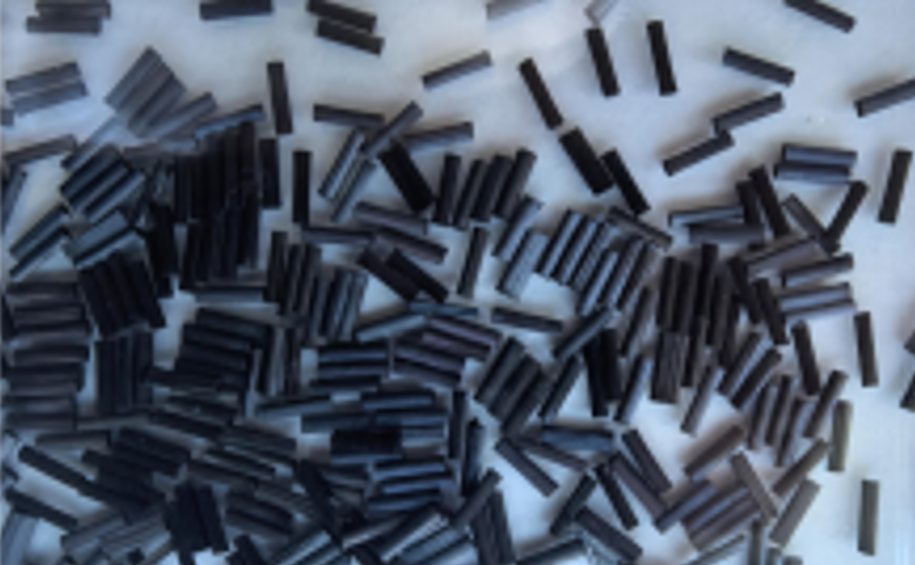
Form: Granular or columnar bundled fibers.
Performance Characteristics:
Isotropic: Distributed randomly within the material, thus the performance of the final product is basically isotropic.
Functional enhancement: The main function is to increase the strength, stiffness, wear resistance, electrical conductivity and thermal conductivity, as well as dimensional stability of the matrix.
Excellent processing fluidity: Due to its extremely short length, it has almost no impact on the fluidity of resin or plastic, and is highly suitable for use in almost all processes such as injection molding, extrusion, and compression molding.
Main applications:
Modified plastics: Added to materials such as nylon (PA), PC, PP, PPS, and PEEK to create components with enhanced strength, anti-static properties, and wear resistance.
Modified plastics: Added to materials such as nylon (PA), PC, PP, PPS, and PEEK to create components with enhanced strength, anti-static properties, and wear resistance.
Market situation:
This is one of the most cost-effective and widely used forms, belonging to the "commoditized" carbon fiber products. The market drive comes from the extensive demands in industries
This is one of the most cost-effective and widely used forms, belonging to the "commoditized" carbon fiber products. The market drive comes from the extensive demands in industries
such as manufacturing and consumer goods, including automobiles, electronic appliances, drones, mechanical components, etc. The future market potential is enormous.
4. Carbon fiber fabric
This is a two-dimensional structure fabricated by continuous carbon fiber filament bundles through textile technology, and it is a major intermediate form of continuous fibers.
Form: Woven fabrics including plain weave, twill weave, satin weave, and single-directional fabric (UD fabric). In UD fabric, the majority of fibers are arranged parallel in one direction,
and a small amount of yarn is sewn at a 90-degree angle, thereby achieving the highest performance close to that of the continuous fibers in that direction.
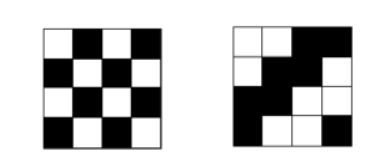
1/1 plain 2/2 twill
5. Carbon fiber prepreg
This is an intermediate material made by pre-immersing continuous carbon fiber strands or fabrics in a partially cured resin system.
This is an intermediate material made by pre-immersing continuous carbon fiber strands or fabrics in a partially cured resin system.
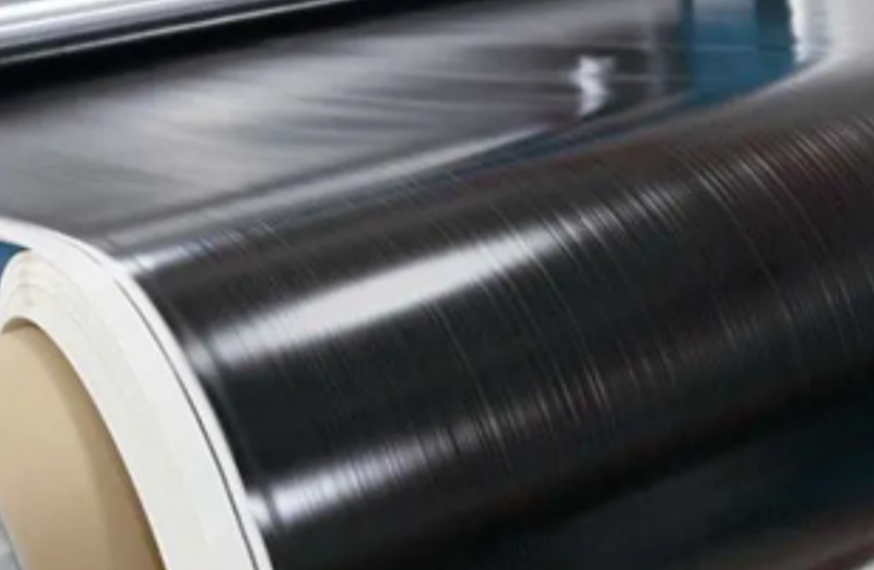
Form: Looks like a roll of fabric, usually protected by release paper, and should be stored at low temperature.
Performance Characteristics:
Simplification of the process: Users do not need to handle the impregnation process of resin and fibers. They only need to cut, lay up the layers, and then heat and press for curing. The finished product has extremely high and stable quality. The fiber content can be precisely controlled. The cost is relatively high because it includes the resin system and a complex preparation process.
How is fiberglass made? Fiberglass production process
Why choose carbon fiber medical plates?
Related Article

Carbon fiber composites, with their lightweight, high strength, and excellent electromagnetic properties, are becoming the preferred choice for drone manufacturing. From the shell to the rotor, they not only reduce weight but also improve flight efficiency and durability. Advanced processes such as compression molding and autoclave technology are further driving breakthroughs in drone performance, contributing to the future modular and intelligent development.
Why are more and more drones using carbon fiber casings?
Carbon fiber composites have wide applications in aerospace, industrial manufacturing etc. Their advantages, such as lightweight, high strength, corrosion resistance, good electrical conductivity, and excellent electromagnetic shielding, are increasingly recognized. Shenzhen Ant Carbon Fiber Co., Ltd., drawing on years of production experience, will answer some common questions today for your reference.
Basic knowledge about carbon fiber composite products
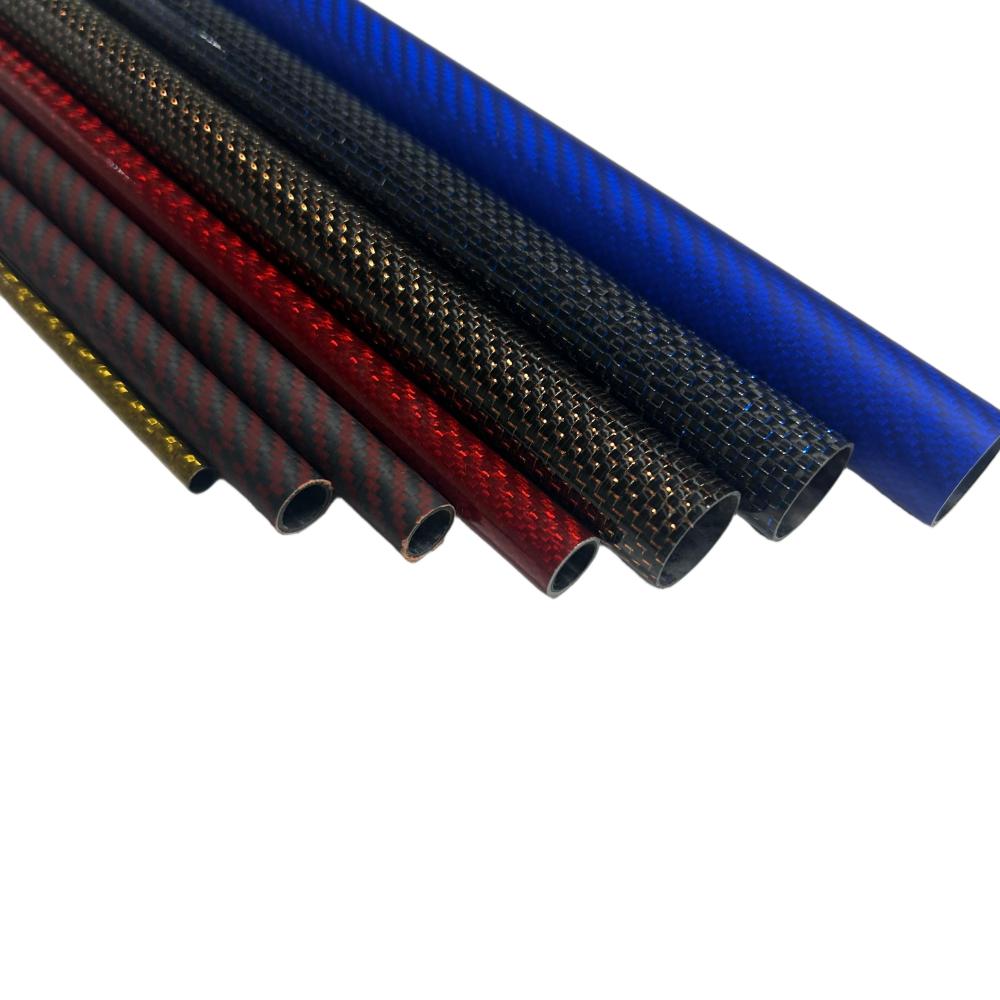
The processing of carbon fiber tubes requires different processing techniques for different applications, but the most common process is to process holes in carbon fiber tubes. In order to meet the processing requirements, we must pay more attention to the hole processing. In this process, some defects are prone to occur, with delamination being the most common. What are these details?
The formation of delamination phenomenon in carbon fiber tube hole processing
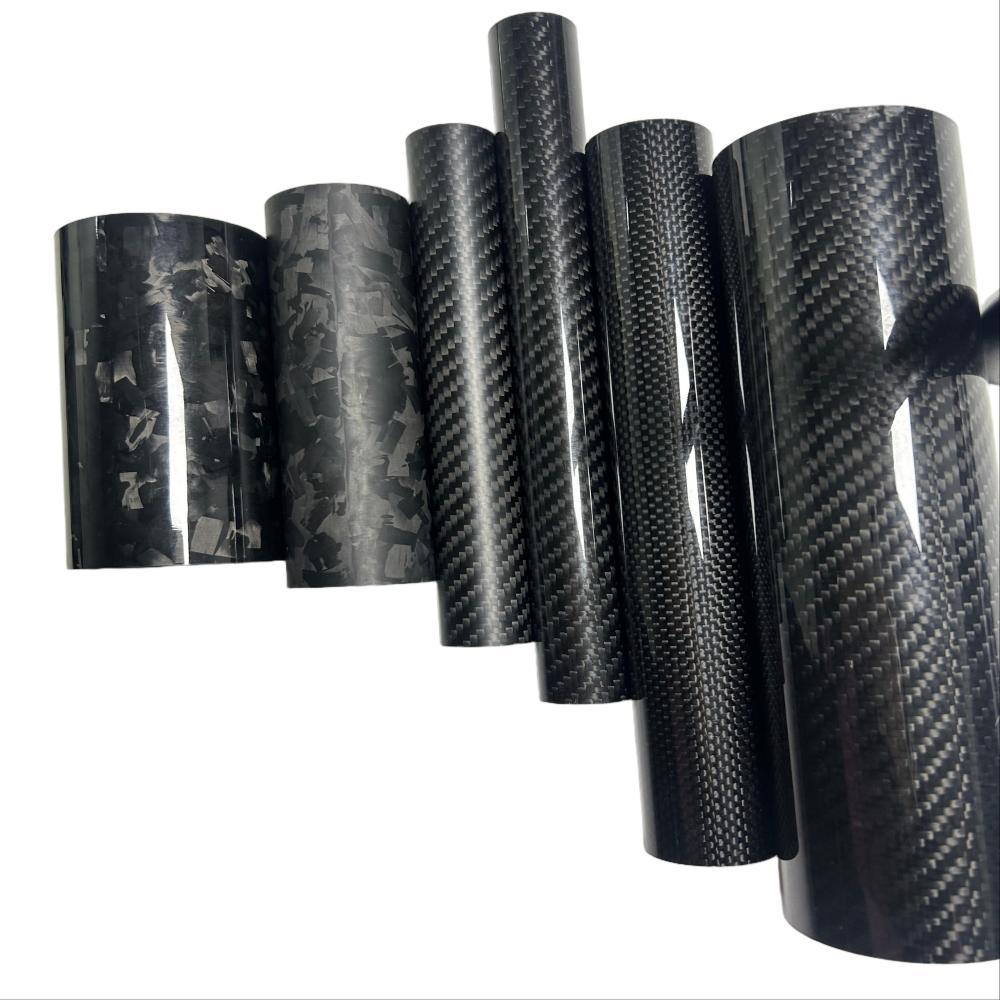
Carbon fiber tubing, also known as carbon tube or carbon fiber tube, is composed of carbon fiber material and specific resin materials. It is widely used in various supporting equipment such as drones, rotating shafts, rollers, medical devices, sports equipment, and high-end camera slide rails, and is one of the lightweight materials used in high-end industrial fields to replace metal tubing.
What are the key factors affecting the quality of carbon fiber tubing?