Carbon fiber composite material project (with list of raw materials and equipment)
author: Lily
2025-12-28
Carbon Fiber Prostheses
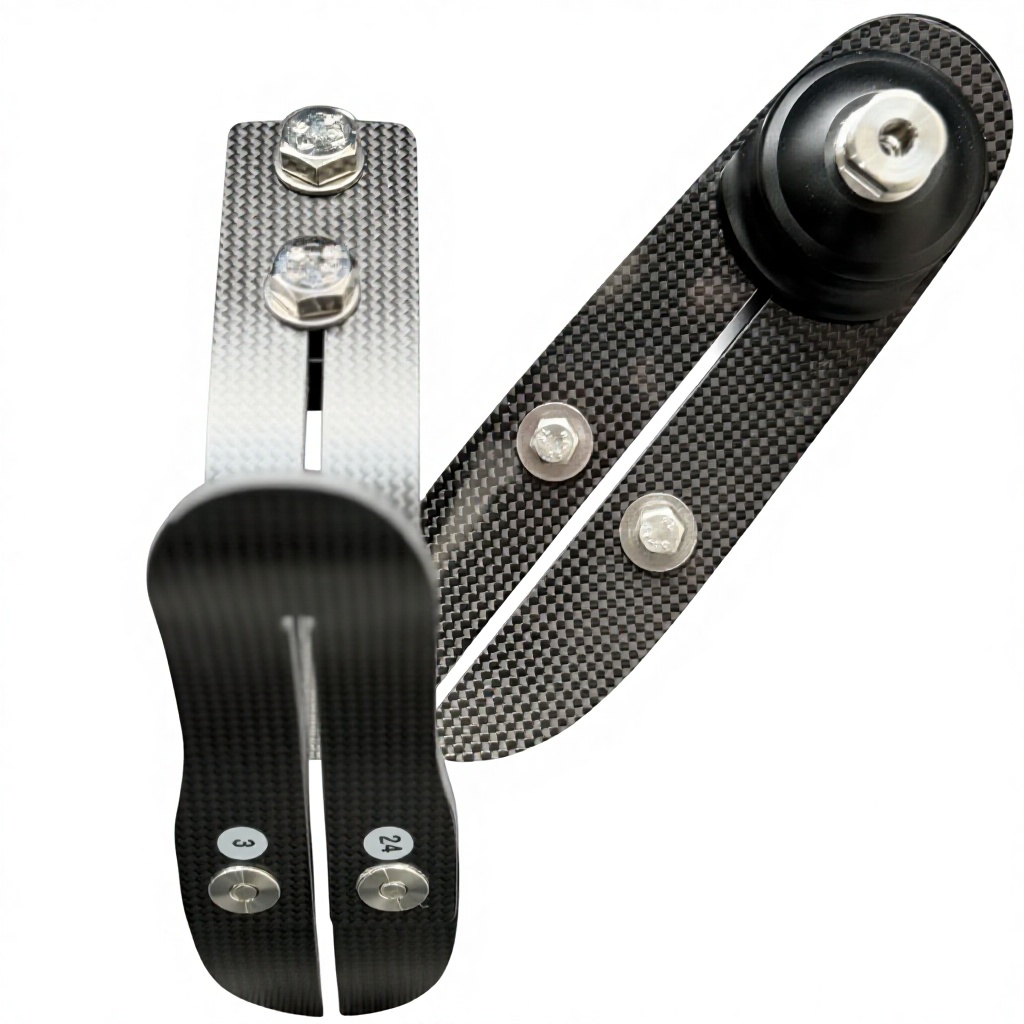
The connection between the prosthesis and the human body is called the receiving cavity, which mainly encloses the residual limb and transmits force. This part requires high load-bearing capacity but cannot be too heavy, and carbon fiber can be used as a material for this part. The part enclosing the residual limb can be made of polyethylene sheet, while the support structure can be made of carbon fiber to achieve easy support and force transmission.
The ankle and foot's movement plays a crucial role in body balance and support. Carbon fiber ankle joints enable jumping. Additionally, the connection between the ankle and lower leg prosthesis can also be made of carbon fiber, resulting in a very aesthetically pleasing overall design.
Carbon Fiber Medical Bed Boards
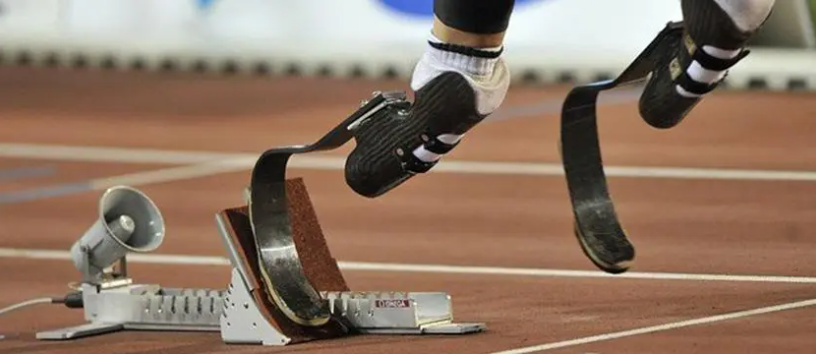
Carbon fiber has many applications in medical bed boards. In CT diagnosis and radiotherapy, accurately delivering the radiation dose to the patient's lesion is crucial. Carbon fiber composite materials are widely used in digital X-ray machines, PET scanners, CT scanners, MR machines, and SPECT scanners. Radiotherapy has rapidly evolved from conventional radiotherapy to precision radiotherapy techniques such as IMRT (Intensity-Modulated Radiotherapy), IGRT (Image-Guided Radiotherapy), and IMAT (Intensity-Modulated Rotational Radiotherapy). These new radiotherapy techniques have greatly improved dosage accuracy, but also placed higher demands on the treatment machine's bed surface.
Bed surfaces made of carbon fiber composite materials have a smooth and flat surface with high X-ray transmittance. They allow rays to strike the bed surface at any angle without significant deviations in refraction and projection. Furthermore, they achieve the designed structural strength and stiffness with less material, reducing weight and providing high tensile strength.
Carbon Fiber Wheelchairs
Carbon fiber has a density of only 1.7 g/cm³, making it more than half the weight of aluminum alloy components of the same specifications, while possessing significantly greater strength. Furthermore, carbon fiber exhibits strong corrosion resistance. A significant proportion of wheelchair users face issues such as incontinence and frequent contact with injectable medications; in these situations, carbon fiber composite components demonstrate durability unmatched by conventional metal materials.
Currently, carbon fiber composites are primarily used in armrests, armrests, footrests, leg rests, backrests, skirt panels, and frame tubes. Most of these components are height-adjustable, and carbon fiber composites facilitate mechanical assembly with the wheelchair. Most importantly, the use of carbon fiber composites in these components significantly reduces the overall weight of the wheelchair, and these frequently used parts become more robust and durable.
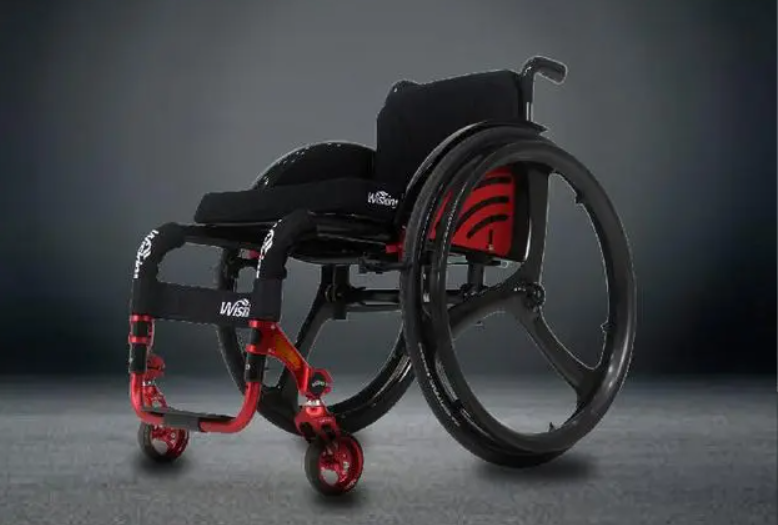
Taking electric wheelchair components as an example, an electric wheelchair using carbon fiber composite materials weighs only 14kg, approximately 33% lighter than the 21kg of a traditional aluminum alloy electric wheelchair. In terms of load-bearing capacity, a traditional aluminum alloy wheelchair can support 100kg, while an electric wheelchair using carbon fiber can support 200kg, making it suitable for a wider range of users. Regarding the most crucial aspect—range—thanks to the lightweight properties of carbon fiber, this carbon fiber electric wheelchair can travel 40km on a single charge, with a maximum speed of 8km/h, while the range of a traditional electric wheelchair is only 20km, representing a 50% increase in range. Compared to traditional wheelchair components, electric wheelchairs using carbon fiber materials offer significant improvements in all aspects.
With advancements in science and technology, the applications of carbon fiber are becoming increasingly diverse. Due to the superior performance of carbon fiber composite materials, their mainstream application in medical devices is inevitable. Composite material companies are actively optimizing their technologies to provide more high-quality carbon fiber medical device products.
What are the difficulties in processing carbon fiber composite materials, specifically carbon fiber sheets and carbon fiber tubes?
Pultrusion process
Related Article

Carbon fiber composites, with their lightweight, high strength, and excellent electromagnetic properties, are becoming the preferred choice for drone manufacturing. From the shell to the rotor, they not only reduce weight but also improve flight efficiency and durability. Advanced processes such as compression molding and autoclave technology are further driving breakthroughs in drone performance, contributing to the future modular and intelligent development.
Why are more and more drones using carbon fiber casings?
Carbon fiber composites have wide applications in aerospace, industrial manufacturing etc. Their advantages, such as lightweight, high strength, corrosion resistance, good electrical conductivity, and excellent electromagnetic shielding, are increasingly recognized. Shenzhen Ant Carbon Fiber Co., Ltd., drawing on years of production experience, will answer some common questions today for your reference.
Basic knowledge about carbon fiber composite products
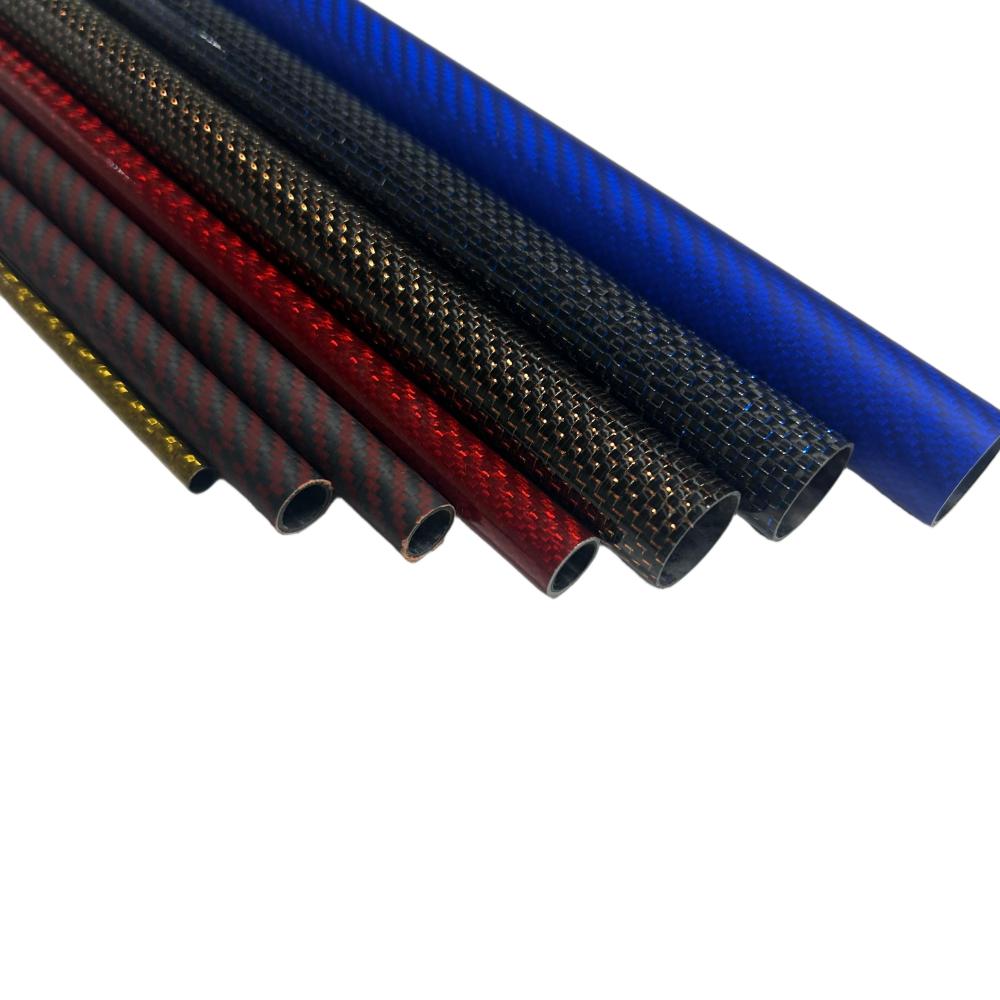
The processing of carbon fiber tubes requires different processing techniques for different applications, but the most common process is to process holes in carbon fiber tubes. In order to meet the processing requirements, we must pay more attention to the hole processing. In this process, some defects are prone to occur, with delamination being the most common. What are these details?
The formation of delamination phenomenon in carbon fiber tube hole processing
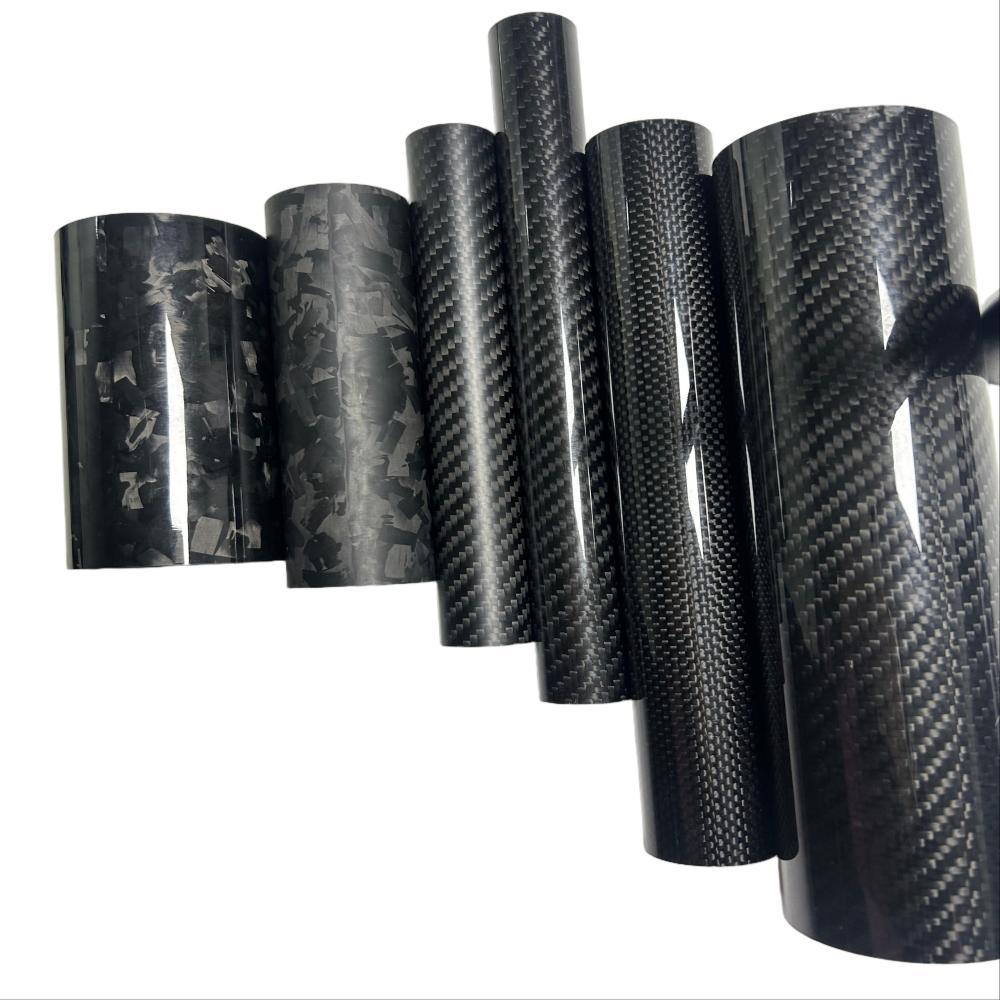
Carbon fiber tubing, also known as carbon tube or carbon fiber tube, is composed of carbon fiber material and specific resin materials. It is widely used in various supporting equipment such as drones, rotating shafts, rollers, medical devices, sports equipment, and high-end camera slide rails, and is one of the lightweight materials used in high-end industrial fields to replace metal tubing.
What are the key factors affecting the quality of carbon fiber tubing?