From the shell to the rotor: How do carbon fiber composites "penetrate" the entire drone?
Carbon fiber composite materials are becoming the first choice for drone manufacturing due to their lightweight, high strength and excellent electromagnetic properties. From the shell to the rotor, it not only reduces weight, but also improves flight efficiency and durability. Advanced processes such as compression molding and autoclave technology further promote breakthroughs in drone performance and help future modular and intelligent development.
As a representative of intelligent aviation equipment, the flight performance and mission efficiency of unmanned aerial vehicles (UAVs) largely depend on the selection of structural materials. Under the requirements of multiple performance indicators such as lightweight, high strength, electromagnetic compatibility, and fatigue resistance, carbon fiber drone shells and drone carbon fiber components are gradually replacing traditional metals and engineering plastics and becoming the mainstream solution.
So, what are the core advantages of drone composite shells? How do lightweight drone parts achieve design breakthroughs through advanced composite technology? This article will comprehensively analyze this flight structure revolution from multiple dimensions of technology, process, performance and market trends.
What are carbon fiber composites? Why are they the first choice for drone manufacturing?
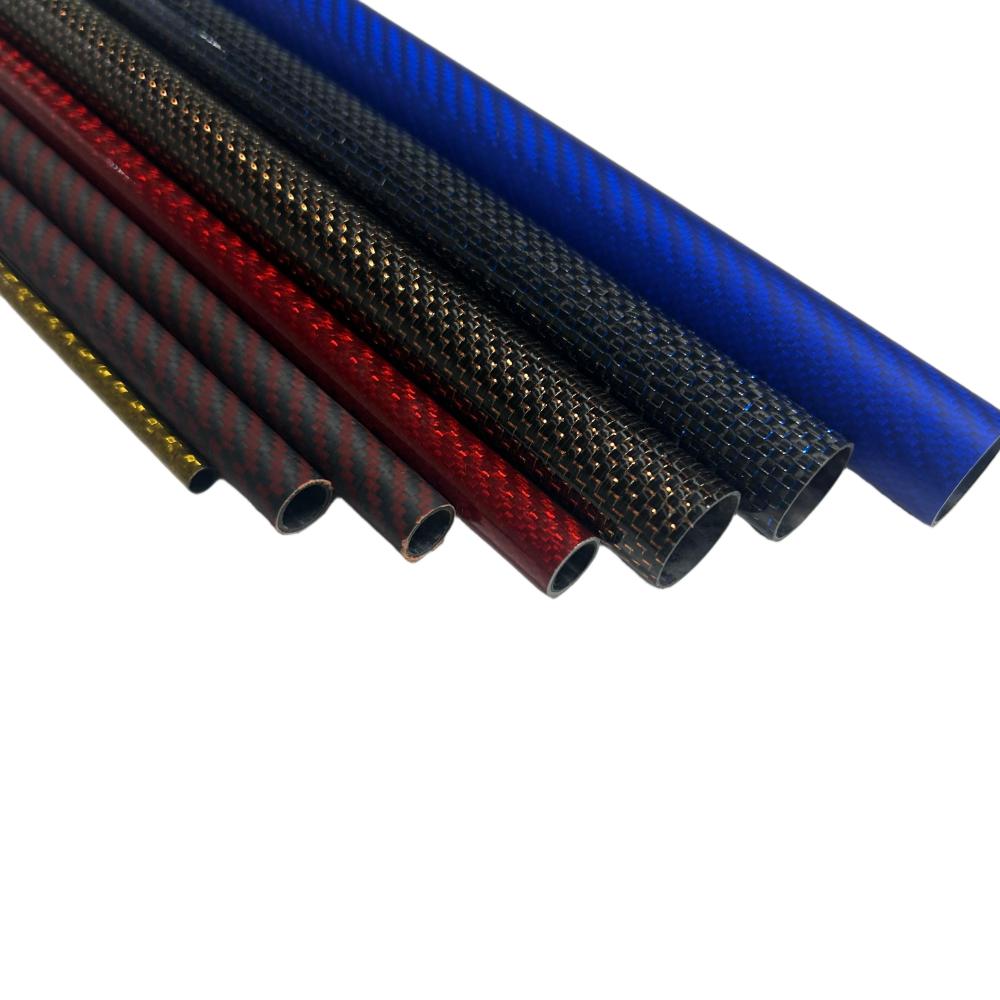
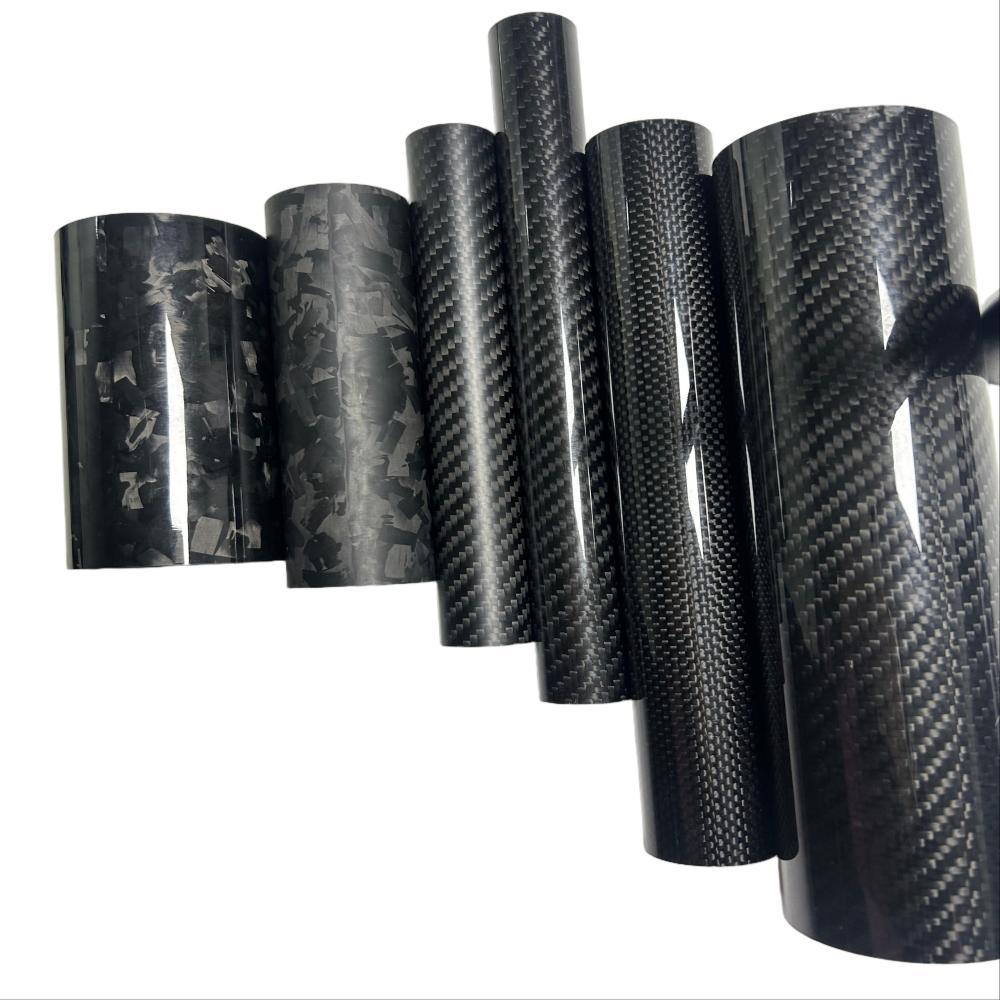
Carbon fiber reinforced polymer (CFRP) is a composite structural material made by combining carbon fiber with a resin matrix. It has the advantages of low density (~1.6g/cm³), high specific strength, good thermal stability, and strong corrosion resistance.
Compared with aluminum alloy or engineering plastics, CFRP has significant advantages in impact resistance, fatigue life, electromagnetic performance, etc., and is particularly suitable for aircraft structural design that requires high load bearing and extreme environmental adaptability.
Carbon fiber parts for drones: not only light, but also stronger.
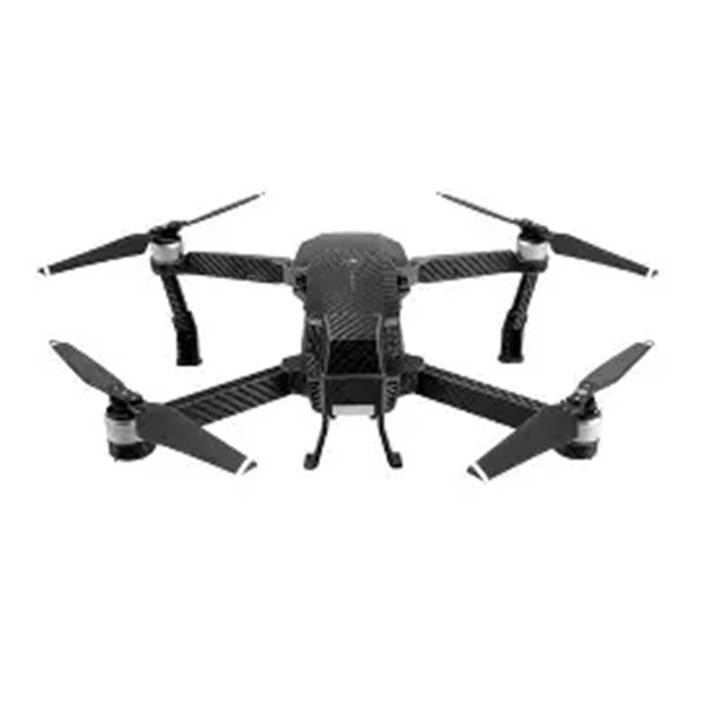
The application of carbon fiber in drones has long been beyond the shell, and now covers a variety of parts from structural brackets to functional modules:
Shell and main body: realize the lightweight and high-strength protection of the overall frame of the aircraft.
Rotor and blades: improve aerodynamic efficiency and reduce noise.
Landing gear and mounting bracket: have extremely high pressure resistance and excellent dynamic load bearing capacity.
Communication/radome: have good electromagnetic penetration, suitable for integrated antennas or sensitive electronic equipment.
Especially in high-end reconnaissance and strike UAVs and logistics and transport UAVs, high specific stiffness structural parts have become the core of the design, and carbon fiber components have thus occupied a key position.
How are lightweight drone parts manufactured? Revealing the core process
Achieving lightweight not only depends on the material itself, but is also inseparable from advanced manufacturing processes. The current mainstream methods for manufacturing carbon fiber parts for drones include:
Compression molding (SMC/BMC): suitable for batch manufacturing of shells and structural panels with complex curved surfaces, with high repeatability.
Autoclave: used for aviation-grade high-performance composite structural parts with high internal density.
Vacuum assisted resin introduction (VARI): suitable for large structural parts, with excellent cost performance.
Prepreg layup + CNC cutting: suitable for small-batch, highly customized drone parts development.
With the help of CAD/CAE analysis and topology optimization technology, structural designers can further eliminate redundant structures and improve flight power efficiency and unit load utilization.
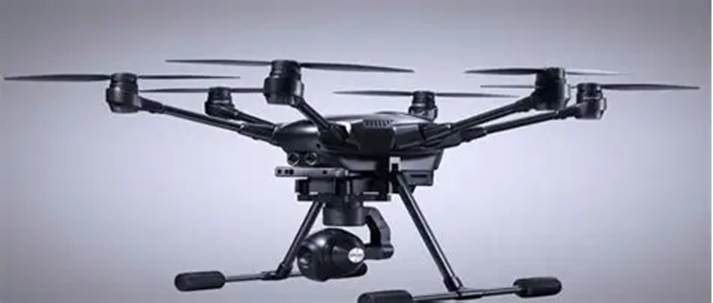
Future trends in drone manufacturing: modularization, lightweight, and intelligence.
With the emergence of applications such as eVTOL (electric vertical take-off and landing vehicles), unmanned cargo aircraft, and military reconnaissance and strike platforms, the demand for lightweight drone parts with composite structures continues to grow.
Future trends include: automatic layering robots + digital molding: improving composite molding efficiency and consistency.
Composite materials + embedded sensors: achieving structural status monitoring and intelligent maintenance.
One-piece molding structure design: reducing assembly parts and improving the strength and sealing of the entire machine.
From "high-end equipment" to "mass consumption", what changes has carbon fiber brought to our lives?
Related Article