
What are the difficulties in processing carbon fiber composite materials, specifically carbon fiber sheets and carbon fiber tubes?
author: Lily
2025-12-28
Shenzhen Ant Composites has found that when processing carbon fiber composite sheets and tubes, the processed carbon fiber composite sheets are prone to peripheral tearing, delamination, and uneven appearance. As is well known, the difficulties in chip removal and heat dissipation during carbon fiber sheet processing further deteriorate the processing environment, exacerbating processing damage and making it difficult to guarantee processing quality and precision.
Below is a detailed introduction to some common problems and technical challenges in processing carbon fiber composites:
Severe Tool Clogging and Wear
To ensure processing efficiency, high tool speeds are typically used when processing carbon fiber sheets and tubes. Simultaneously, due to the heterogeneity of carbon fiber composites, carbon fiber and resin act alternately on the tool cutting edge at high cutting linear velocities. The high-hardness, wear-resistant carbon fiber has a severe abrasive effect on the tool, generating high temperatures in the cutting zone. The poor thermal conductivity of the resin concentrates heat in a small area near the tool cutting edge, resulting in severe wear on the tool's flank face.
Severe tool wear affects the shape, dimensional accuracy, and surface quality of machined products. Low tool life necessitates frequent tool changes and sharpening, increasing the processing cost of composite materials.
High cutting temperatures lead to severe machining damage.
Carbon fiber composites, including carbon fiber sheets and tubes, are laminated from prepregs with different layup directions, exhibiting significant anisotropy and low interlayer strength, which are detrimental to machining. Furthermore, the small diameter during machining results in insufficient chip space and difficult chip removal. Moisture can degrade matrix and interfacial properties, as well as plasticize the matrix material. Coolant is generally not used during machining, resulting in cutting temperatures higher than those for conventional dimensional machining.
Resins with poor heat resistance (typically around 150-200°C) are prone to softening and even burning under cutting heat. High temperatures significantly reduce resin bond strength, causing debonding at the interfaces between the resin and carbon fibers, as well as between composite layers, thus exacerbating damage such as burrs, delamination, and tearing.
Small cutting tools have low rigidity, resulting in large dimensional and positional errors during machining.
Due to the poor rigidity of these small tools, they are prone to breakage under cutting forces and machine tool vibrations. The tools are also susceptible to bending and deformation, severely affecting the accuracy of the tool entry position and the size and shape accuracy of holes during machining. Furthermore, due to the anisotropy of composite materials, the thermophysical coefficients of the longitudinal (parallel to the fiber direction) and transverse (perpendicular to the fiber direction) materials differ significantly, causing uneven hole diameter variations and resulting in elliptical holes. Drastic temperature changes during machining can cause conical shapes in composite carbon fiber sheets or tubes.
To address the challenges of machining carbon fiber composite sheets and improve machining stability, Xiechuang Composite Materials actively optimizes processes and enhances technology to reduce the difficulty of machining carbon fiber composites. This is applied to subsequent carbon fiber and carbon fiber tube machining, helping customers save costs.
What are the key factors affecting the quality of carbon fiber tubing?
Carbon fiber composite material project (with list of raw materials and equipment)
Related Article

Carbon fiber composites, with their lightweight, high strength, and excellent electromagnetic properties, are becoming the preferred choice for drone manufacturing. From the shell to the rotor, they not only reduce weight but also improve flight efficiency and durability. Advanced processes such as compression molding and autoclave technology are further driving breakthroughs in drone performance, contributing to the future modular and intelligent development.
Why are more and more drones using carbon fiber casings?

Carbon fiber composites have wide applications in aerospace, industrial manufacturing etc. Their advantages, such as lightweight, high strength, corrosion resistance, good electrical conductivity, and excellent electromagnetic shielding, are increasingly recognized. Shenzhen Ant Carbon Fiber Co., Ltd., drawing on years of production experience, will answer some common questions today for your reference.
Basic knowledge about carbon fiber composite products
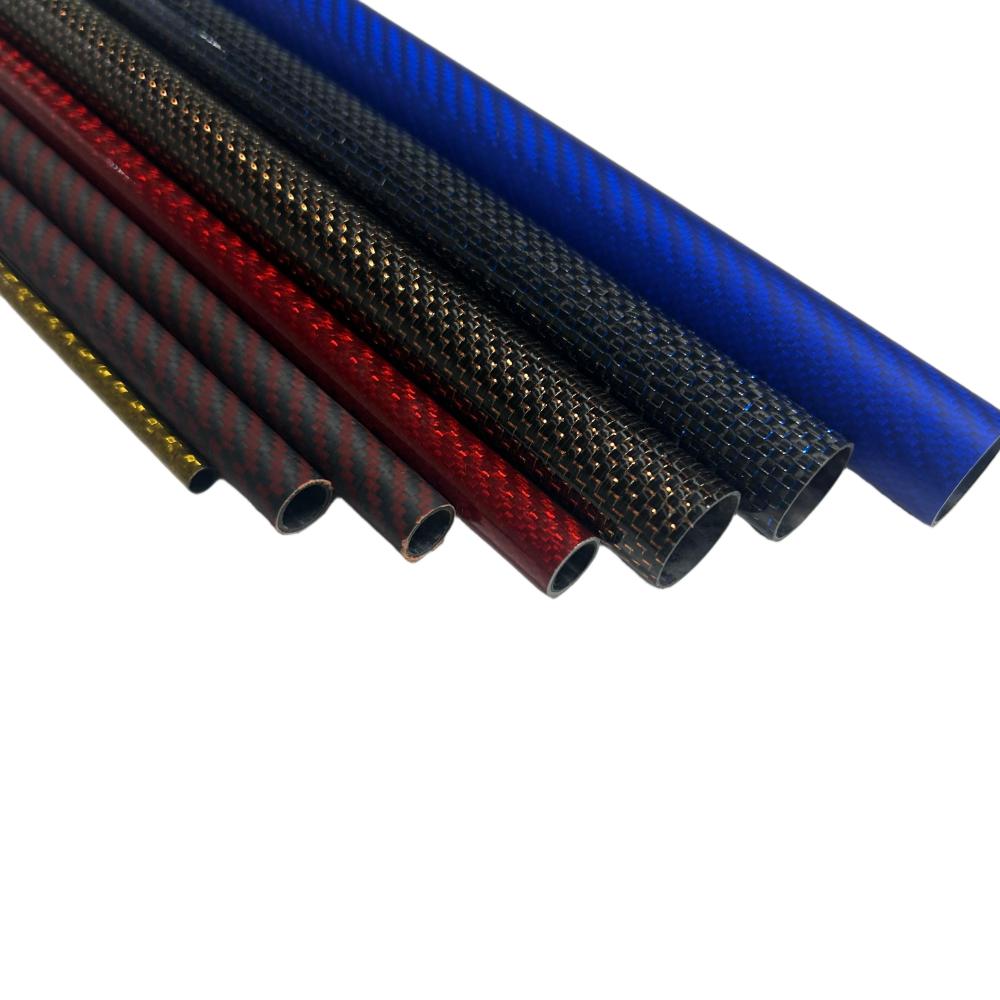
The processing of carbon fiber tubes requires different processing techniques for different applications, but the most common process is to process holes in carbon fiber tubes. In order to meet the processing requirements, we must pay more attention to the hole processing. In this process, some defects are prone to occur, with delamination being the most common. What are these details?
The formation of delamination phenomenon in carbon fiber tube hole processing
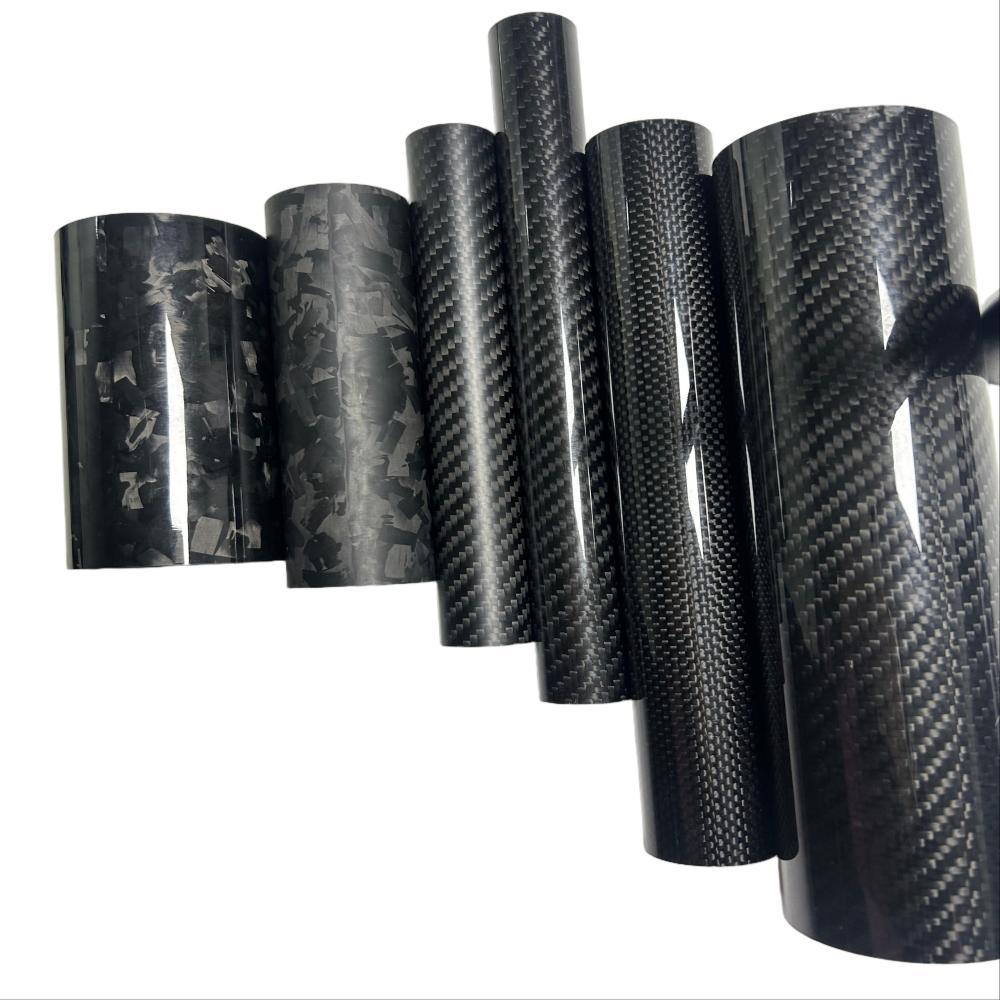
Carbon fiber tubing, also known as carbon tube or carbon fiber tube, is composed of carbon fiber material and specific resin materials. It is widely used in various supporting equipment such as drones, rotating shafts, rollers, medical devices, sports equipment, and high-end camera slide rails, and is one of the lightweight materials used in high-end industrial fields to replace metal tubing.
What are the key factors affecting the quality of carbon fiber tubing?