Pultrusion process of carbon fiber sheets
author: Lily
2025-11-21
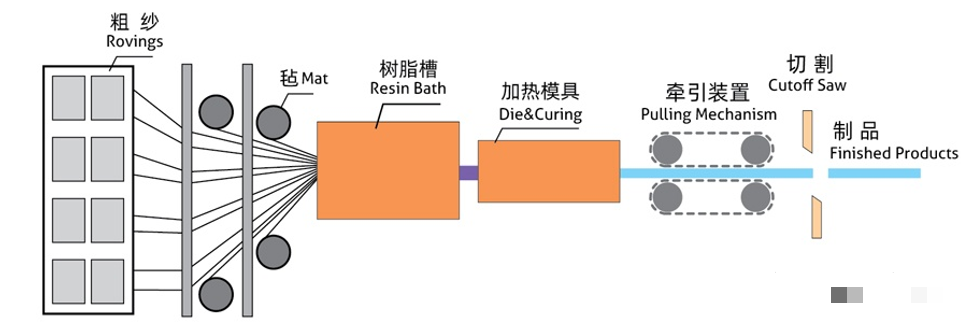
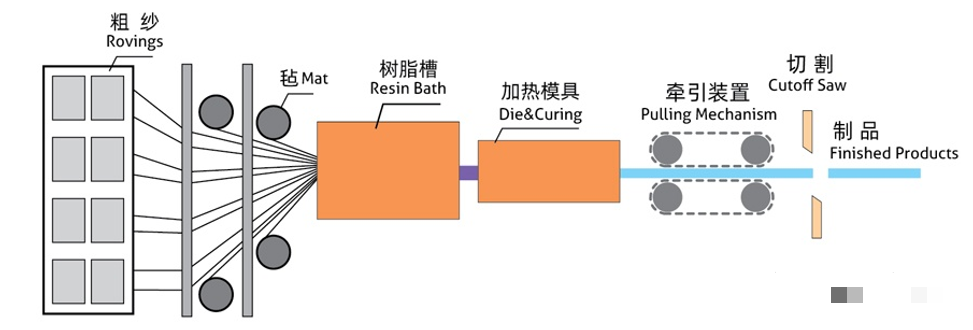
In the field of advanced materials, carbon fiber sheets stand out for their superior performance and are widely used in numerous industries such as aerospace, automotive manufacturing, and sporting goods. The pultrusion process for carbon fiber sheets is one of the key technologies for achieving this high performance. Pultrusion is a highly efficient method for continuously manufacturing composite profiles with a constant cross-section. For carbon fiber sheets, this process imparts characteristics such as high strength, high stiffness, lightweight, and excellent corrosion resistance. First, let's delve into the specific steps of the carbon fiber sheet pultrusion process.
1. Yarn arrangement.
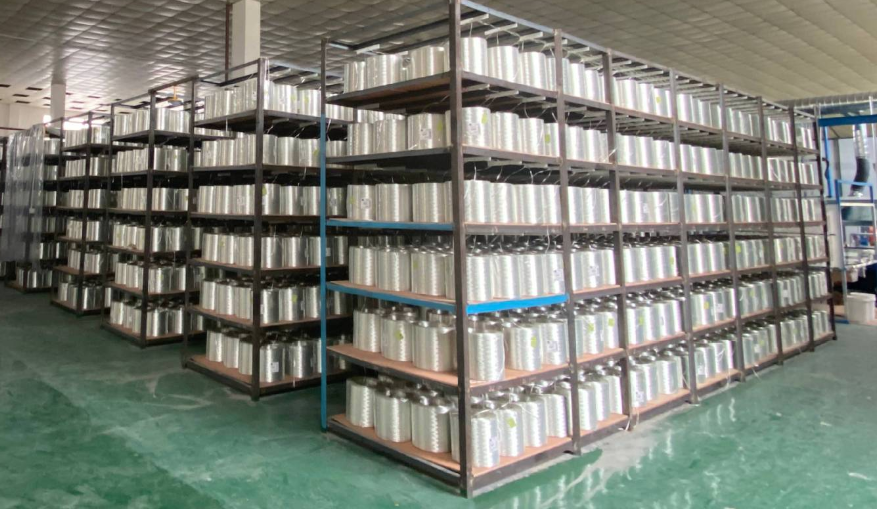
In this stage, carbon fibers are drawn from the yarn bobbin on the yarn frame and arranged in a neat and even manner. This is like a skilled artist carefully arranging lines on a canvas; each carbon fiber must be placed precisely in the right position to ensure the performance of the final product. To avoid fiber twisting, a rotating mandrel is usually used to draw the fibers out from the outer wall of the yarn bobbin, thus ensuring a smooth yarn arrangement.
2. Resin impregnation.
The neatly arranged carbon fibers pass through a resin bath, where they are impregnated with a prepared unsaturated resin. The resin acts like an adhesive, tightly binding the individual carbon fibers together. This process requires strict control to ensure the fibers are fully impregnated without excessive resin residue. Both straight-channel impregnation and drum impregnation methods can be used, with straight-channel impregnation being more commonly used due to its superior impregnation effect.
3. Preforming is a crucial step. Resin-impregnated carbon fibers enter a preforming unit, where they are initially shaped and excess resin is extruded. The preforming unit acts as a prototype mold, laying the foundation for the subsequent curing process. Through precise design and adjustment, it is possible to ensure that the carbon fiber sheets possess the required shape and dimensions during the preforming stage.
4. Then, the heat curing stage begins. The pre-formed resin-impregnated carbon fibers are placed into a mold, which is carefully designed with three heating zones: a preheating zone, a gelation zone, and a curing zone. In the preheating zone, the resin begins to heat up and gradually becomes more viscous; upon entering the gelation zone, the resin undergoes a gelation reaction, transforming from a viscous state to a gel state; finally, in the curing zone, the resin is completely cured, cross-linked, and undergoes a phase transition, forming a robust carbon fiber composite material. This process is like a meticulously choreographed chemical reaction, where temperature and time must be precisely controlled at each stage to ensure that the resin is fully cured without damaging the carbon fibers.
5. Finally, there is the traction, winding, and cutting process. The shaped carbon fiber sheet is pulled from the mold using a traction device, much like pulling a piece of fine fabric from a loom. Then, it is collected by a winding device, and once it reaches a certain length, it is cut to obtain the carbon fiber sheet of the required size.
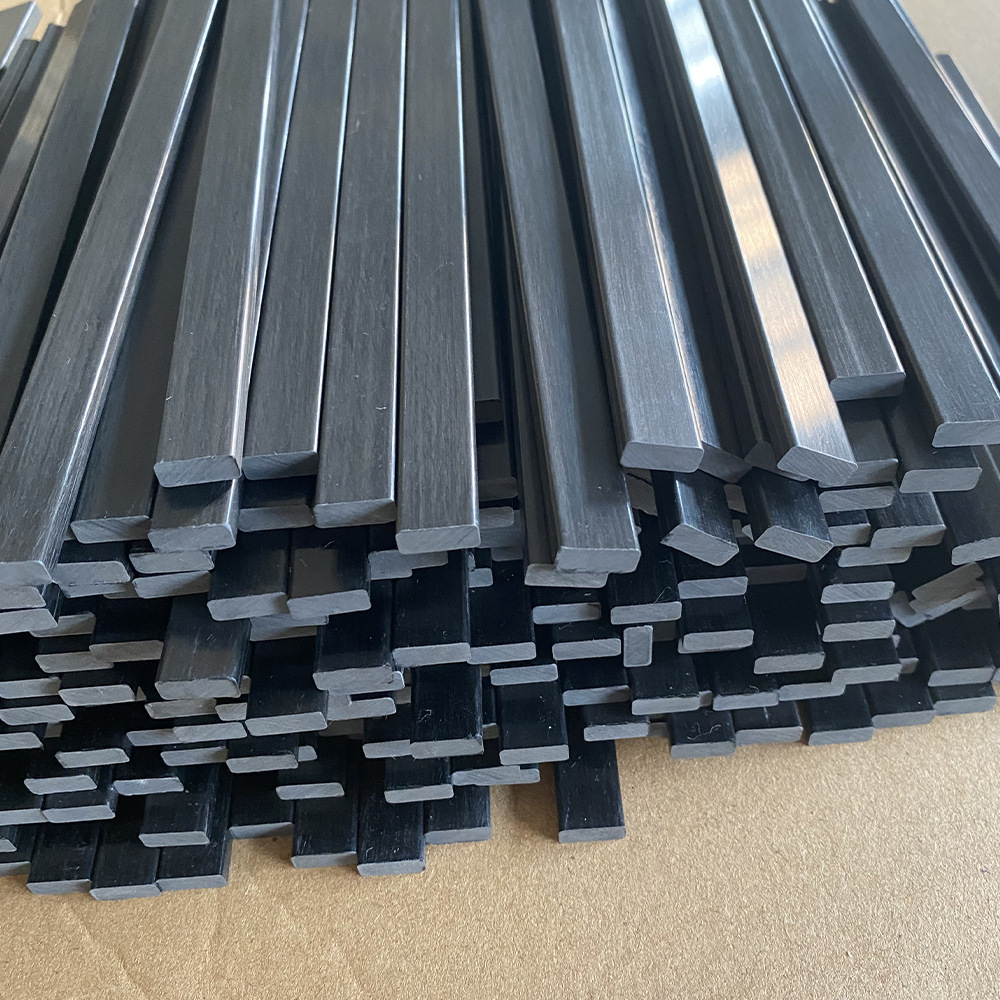
Thickness specifications, main applications, and processing precautions for carbon fiber sheets
From the shell to the rotor: How does carbon fiber composite material "penetrate" the entire body of a drone?
Related Article

Carbon fiber composites, with their lightweight, high strength, and excellent electromagnetic properties, are becoming the preferred choice for drone manufacturing. From the shell to the rotor, they not only reduce weight but also improve flight efficiency and durability. Advanced processes such as compression molding and autoclave technology are further driving breakthroughs in drone performance, contributing to the future modular and intelligent development.
Why are more and more drones using carbon fiber casings?
Carbon fiber composites have wide applications in aerospace, industrial manufacturing etc. Their advantages, such as lightweight, high strength, corrosion resistance, good electrical conductivity, and excellent electromagnetic shielding, are increasingly recognized. Shenzhen Ant Carbon Fiber Co., Ltd., drawing on years of production experience, will answer some common questions today for your reference.
Basic knowledge about carbon fiber composite products
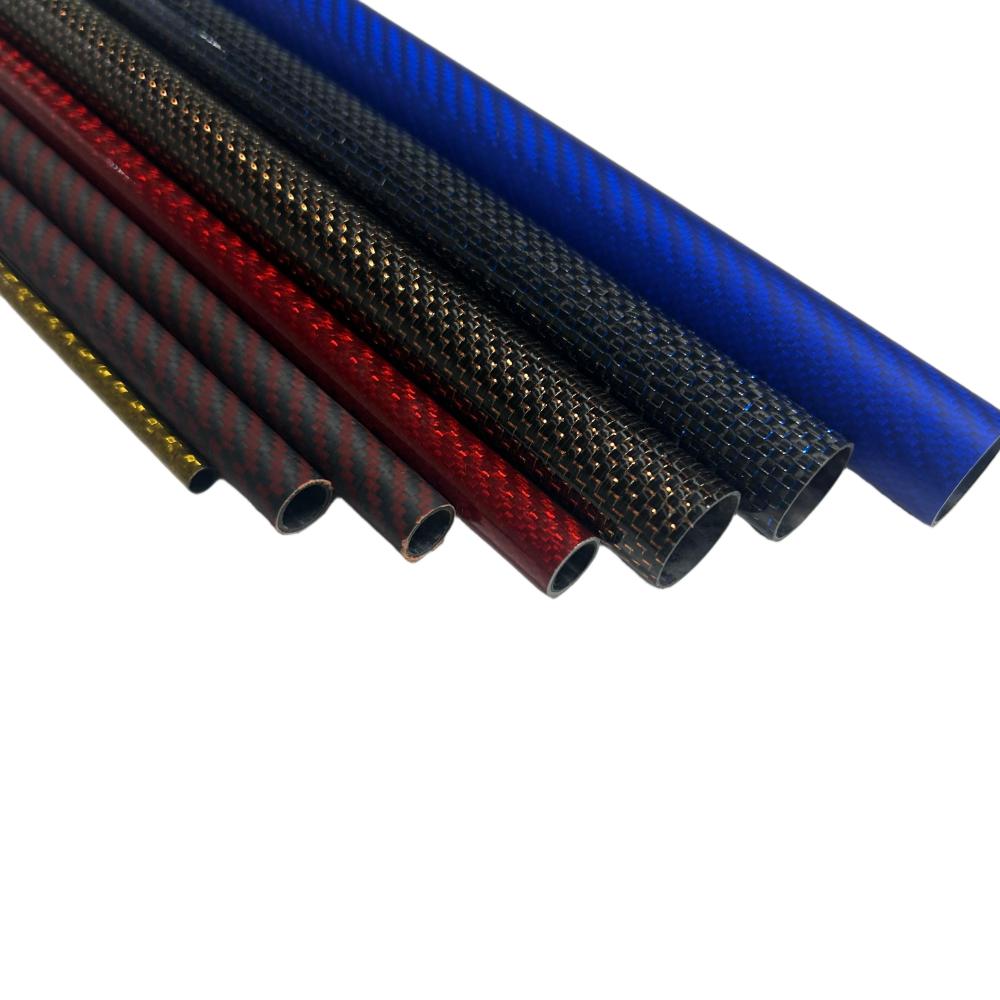
The processing of carbon fiber tubes requires different processing techniques for different applications, but the most common process is to process holes in carbon fiber tubes. In order to meet the processing requirements, we must pay more attention to the hole processing. In this process, some defects are prone to occur, with delamination being the most common. What are these details?
The formation of delamination phenomenon in carbon fiber tube hole processing
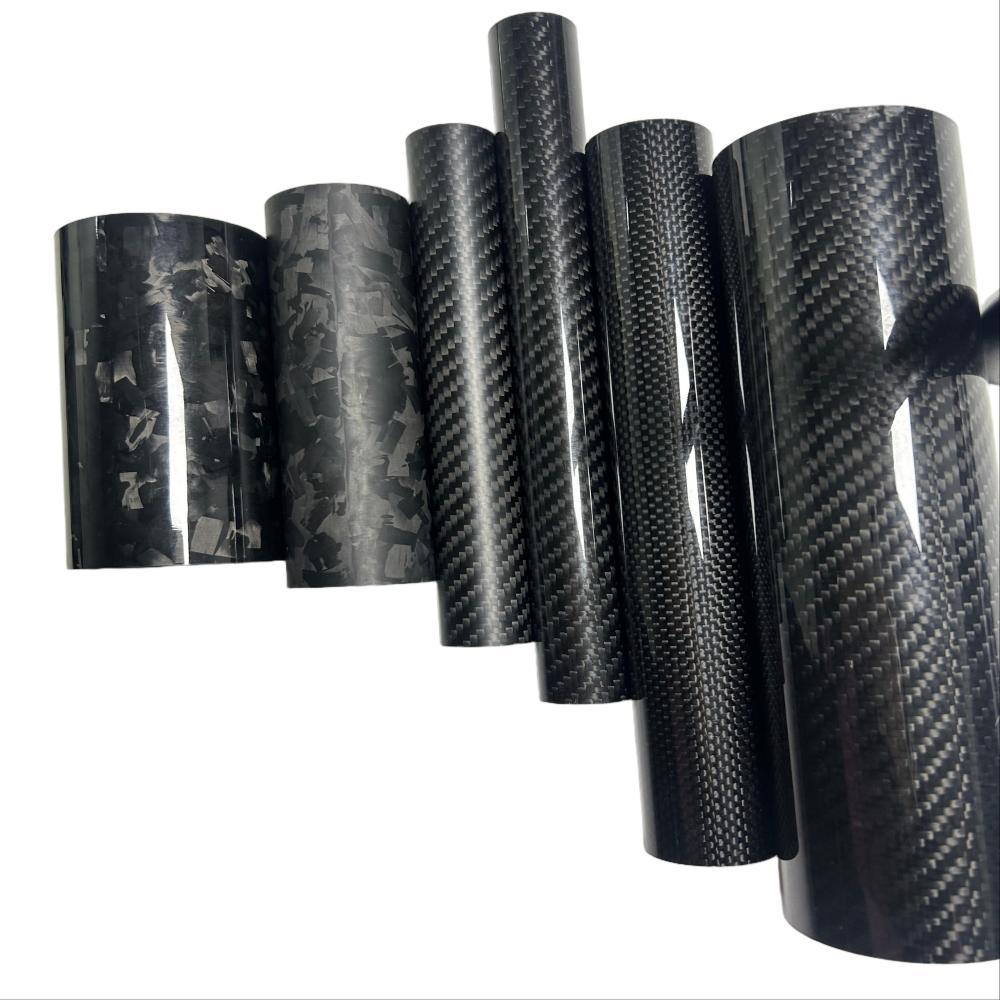
Carbon fiber tubing, also known as carbon tube or carbon fiber tube, is composed of carbon fiber material and specific resin materials. It is widely used in various supporting equipment such as drones, rotating shafts, rollers, medical devices, sports equipment, and high-end camera slide rails, and is one of the lightweight materials used in high-end industrial fields to replace metal tubing.
What are the key factors affecting the quality of carbon fiber tubing?