The electromagnetic properties of carbon fiber
author: Lily
2025-12-07
The electromagnetic properties of carbon fiber
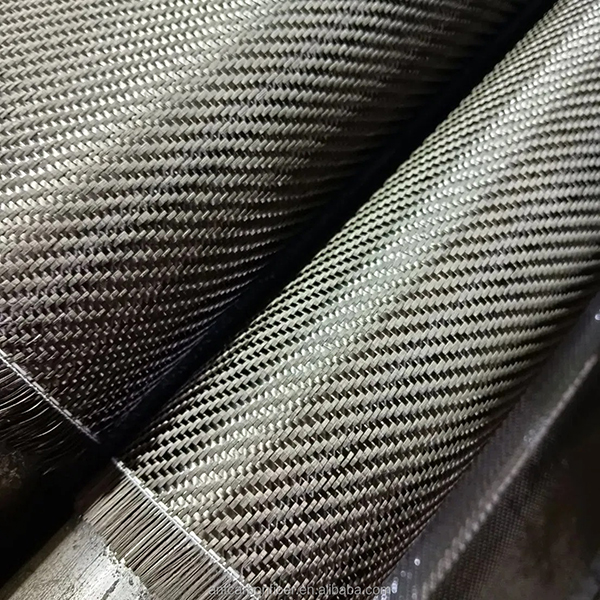
Carbon fiber possesses a variety of crucial electromagnetic properties, making it valuable in various industries. Let's delve into these characteristics in detail:
1. Conductivity
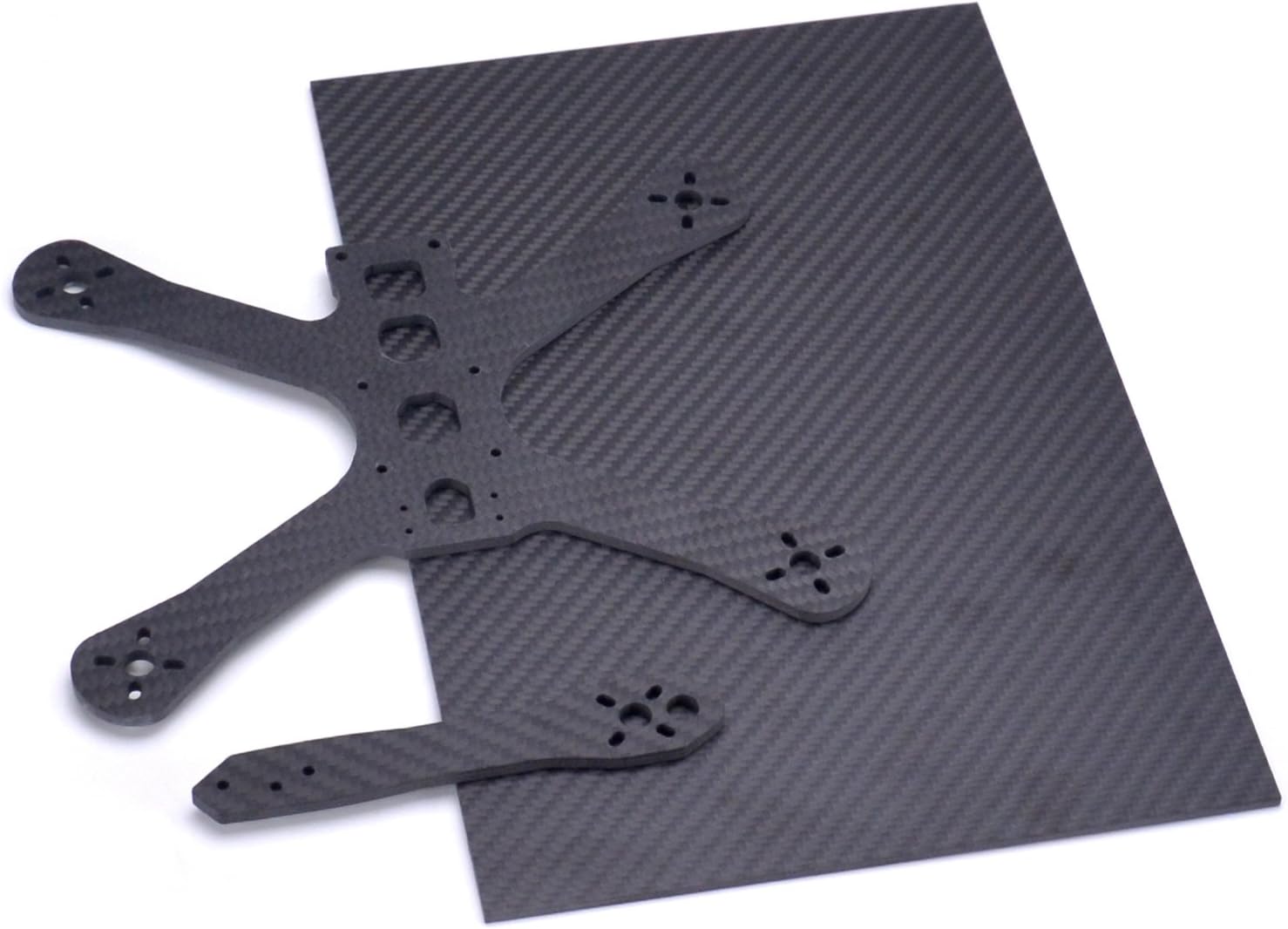
The reason why carbon fibers can conduct electricity is that electrons can freely move within the orderly arranged carbon molecules. This property makes them highly effective in absorbing static charges, thereby reducing the risk of damaging sensitive electronic components. Additionally, due to their conductivity, carbon fibers can also serve as a shielding layer to resist electromagnetic interference (EMI). For instance, materials such as pre-impregnated carbon fiber tubes, carbon fiber rods, and carbon fiber sheets can provide efficient EMI shielding performance and can be used to manufacture electronic enclosures, thereby enhancing the performance of various electronic systems.
2. Thermal Conductivity
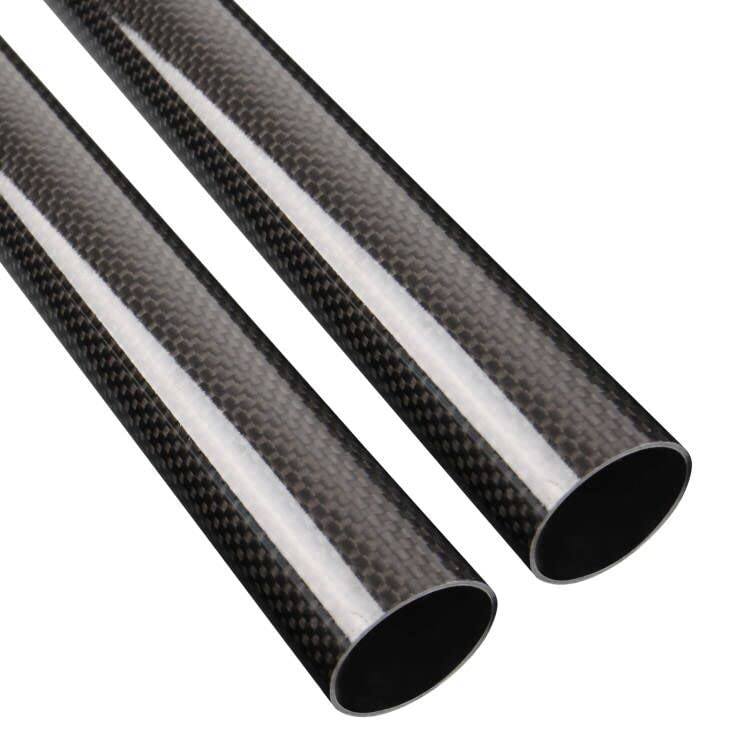
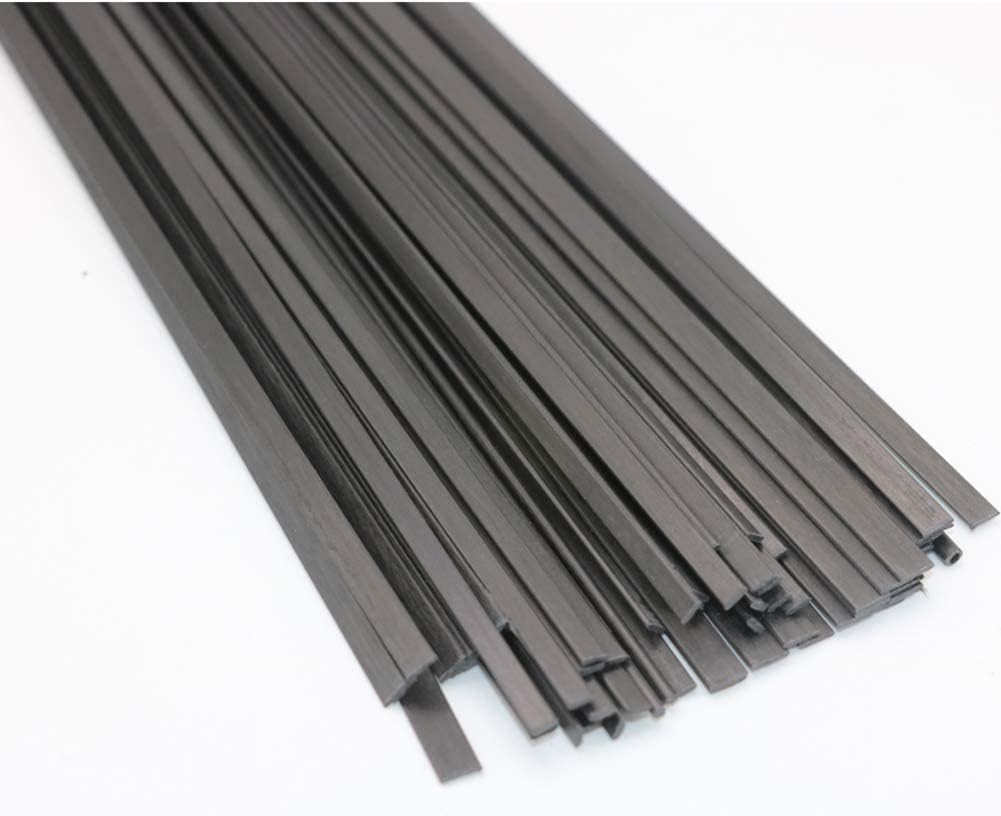
Carbon fiber also has the advantage of conducting heat, which makes it very useful in situations where heat control is required. The carbon fiber rods and carbon fiber sheets are used in electrical and electronic equipment as heat sinks, helping to regulate and dissipate heat. Pre-impregnated carbon fiber tubes are used in aerospace components, satellites, and other products that must effectively dissipate heat to prevent damage, thus meeting industry standards.
Carbon fiber also has the advantage of conducting heat, which makes it very useful in situations where heat control is required. The carbon fiber rods and carbon fiber sheets are used in electrical and electronic equipment as heat sinks, helping to regulate and dissipate heat. Pre-impregnated carbon fiber tubes are used in aerospace components, satellites, and other products that must effectively dissipate heat to prevent damage, thus meeting industry standards.
3. Dielectric constant
The ability of a component to conduct electric charge in an electric field is measured by its dielectric constant. Since the dielectric constant of carbon fibers is relatively low, they cannot retain significant charges. This characteristic is crucial in applications involving the processing of high-frequency electromagnetic waves, as materials with a low dielectric constant are highly suitable for use as they do not cause significant signal loss or interference. For example, in aerospace engineering, carbon fibers can be used to manufacture airframe radar domes that require low signal loss.
The ability of a component to conduct electric charge in an electric field is measured by its dielectric constant. Since the dielectric constant of carbon fibers is relatively low, they cannot retain significant charges. This characteristic is crucial in applications involving the processing of high-frequency electromagnetic waves, as materials with a low dielectric constant are highly suitable for use as they do not cause significant signal loss or interference. For example, in aerospace engineering, carbon fibers can be used to manufacture airframe radar domes that require low signal loss.
4. Magnetism
This statement explains the extent to which a material can retain a magnetic field continuously. Since carbon fibers are non-magnetic, their magnetic conductivity is relatively low. This characteristic makes carbon fibers suitable for applications where minimizing magnetic interference is crucial. For instance, in medical equipment such as nuclear magnetic resonance imaging machines, using components made of non-magnetic materials like carbon fiber rods and pre-impregnated carbon fiber tubes can minimize magnetic interference and improve the imaging process.
This statement explains the extent to which a material can retain a magnetic field continuously. Since carbon fibers are non-magnetic, their magnetic conductivity is relatively low. This characteristic makes carbon fibers suitable for applications where minimizing magnetic interference is crucial. For instance, in medical equipment such as nuclear magnetic resonance imaging machines, using components made of non-magnetic materials like carbon fiber rods and pre-impregnated carbon fiber tubes can minimize magnetic interference and improve the imaging process.
5. Reflectivity and Absorption Rate
Composite materials and surface polishing can affect the absorption and reflection rate of carbon fibers. Carbon fibers can both transmit and absorb certain electromagnetic waves, making them an ideal material for radar absorption and stealth technology. Therefore, the design of its composite materials may be able to regulate its ability to absorb electromagnetic radiation, which is of great use in the aerospace and defense industries.
Composite materials and surface polishing can affect the absorption and reflection rate of carbon fibers. Carbon fibers can both transmit and absorb certain electromagnetic waves, making them an ideal material for radar absorption and stealth technology. Therefore, the design of its composite materials may be able to regulate its ability to absorb electromagnetic radiation, which is of great use in the aerospace and defense industries.
Applications of electromagnetic properties
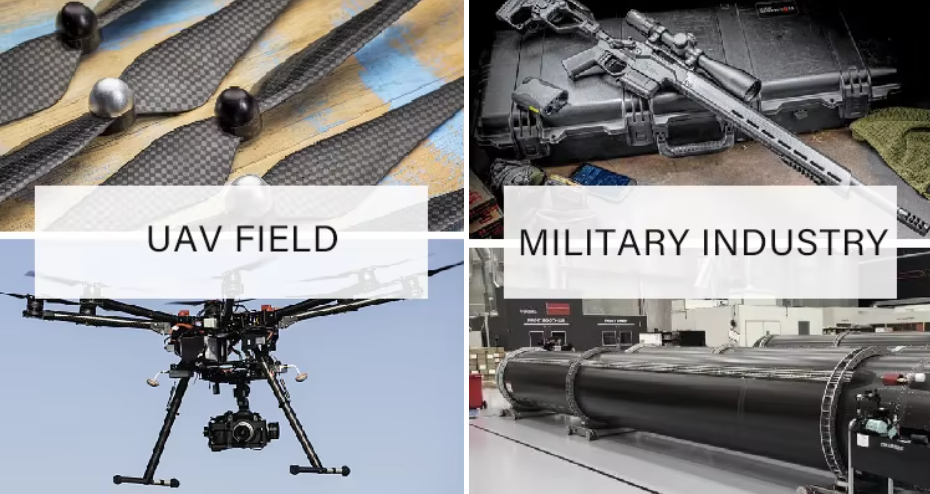
Electromagnetic interference shielding - To protect aircraft and spacecraft from electromagnetic interference, carbon fibers are used in the aerospace and defense fields. Due to their electromagnetic properties and lightweight design, carbon fibers are highly suitable for shielding precision electronic equipment from interference. Carbon fiber fabrics are used in the automotive industry to protect automotive electronic components from electromagnetic interference.
Furthermore, the low radar cross-section and non-magnetic properties of carbon fiber also contribute to its application in stealth technology. Customized carbon fiber products are typically used to reduce the visibility of military aircraft and ships in radar systems.
Non-magnetic - Since carbon fiber composite materials only absorb a low level of electromagnetic radiation energy and do not possess magnetism, they are used in the design of medical imaging equipment such as X-ray and MRI machines.

Conclusion
The electromagnetic properties of carbon fiber further enhance its already impressive performance, making it an ideal choice for numerous applications. From electromagnetic interference/emagnetic compatibility (EMI/EMC) shielding to electromagnetic wave absorption, and even to radar stealth technology, it covers everything. Carbon fiber fabrics, carbon fiber sheets, and carbon fiber rods, among other carbon fiber products, are new solutions for solving complex technical problems. Future technological advancements may bring more advanced and cost-effective carbon fiber products, thereby expanding the application scope of such materials. The research on carbon fiber applications is still ongoing, which means that carbon fiber will continue to be one of the most important materials science in industries such as aerospace and electronics.
How to spray paint custom carbon fiber parts?
Steps for manufacturing high-strength carbon fiber tubes-Pipe Coiling Process
Related Article

Carbon fiber composites, with their lightweight, high strength, and excellent electromagnetic properties, are becoming the preferred choice for drone manufacturing. From the shell to the rotor, they not only reduce weight but also improve flight efficiency and durability. Advanced processes such as compression molding and autoclave technology are further driving breakthroughs in drone performance, contributing to the future modular and intelligent development.
Why are more and more drones using carbon fiber casings?
Carbon fiber composites have wide applications in aerospace, industrial manufacturing etc. Their advantages, such as lightweight, high strength, corrosion resistance, good electrical conductivity, and excellent electromagnetic shielding, are increasingly recognized. Shenzhen Ant Carbon Fiber Co., Ltd., drawing on years of production experience, will answer some common questions today for your reference.
Basic knowledge about carbon fiber composite products
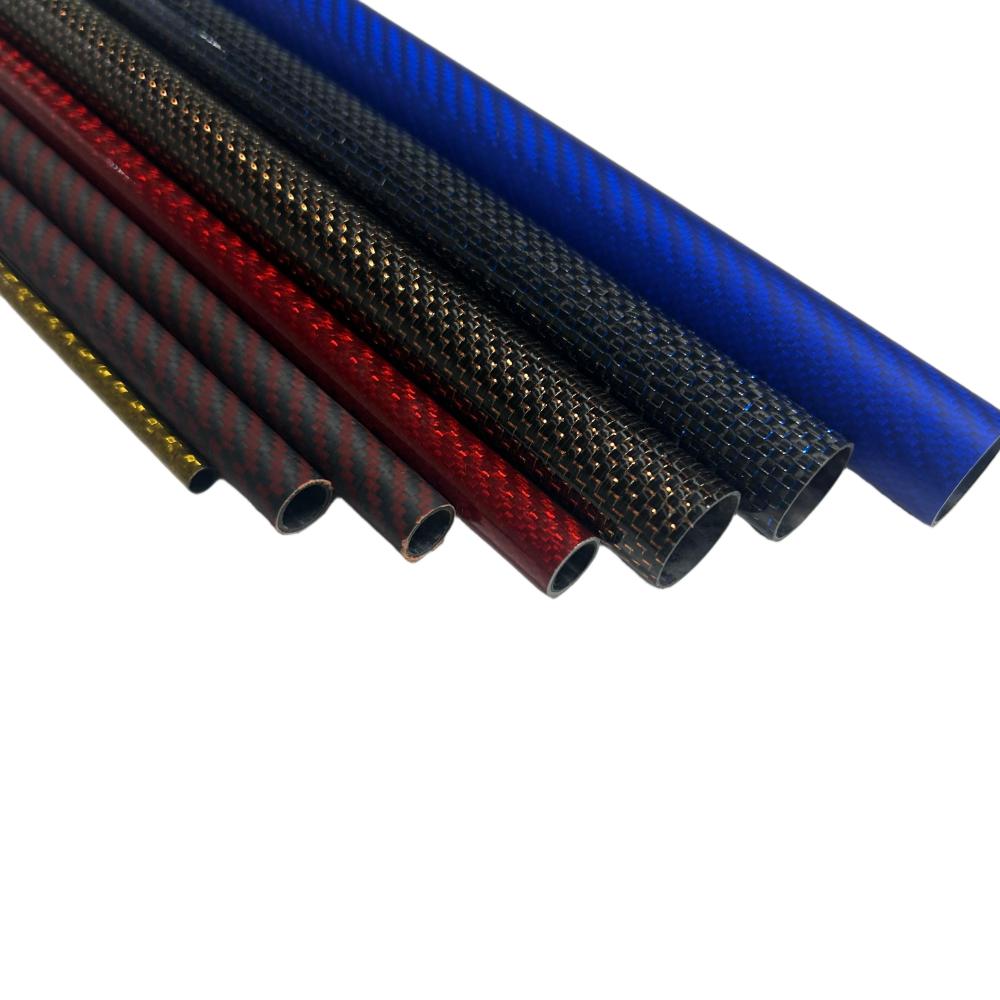
The processing of carbon fiber tubes requires different processing techniques for different applications, but the most common process is to process holes in carbon fiber tubes. In order to meet the processing requirements, we must pay more attention to the hole processing. In this process, some defects are prone to occur, with delamination being the most common. What are these details?
The formation of delamination phenomenon in carbon fiber tube hole processing
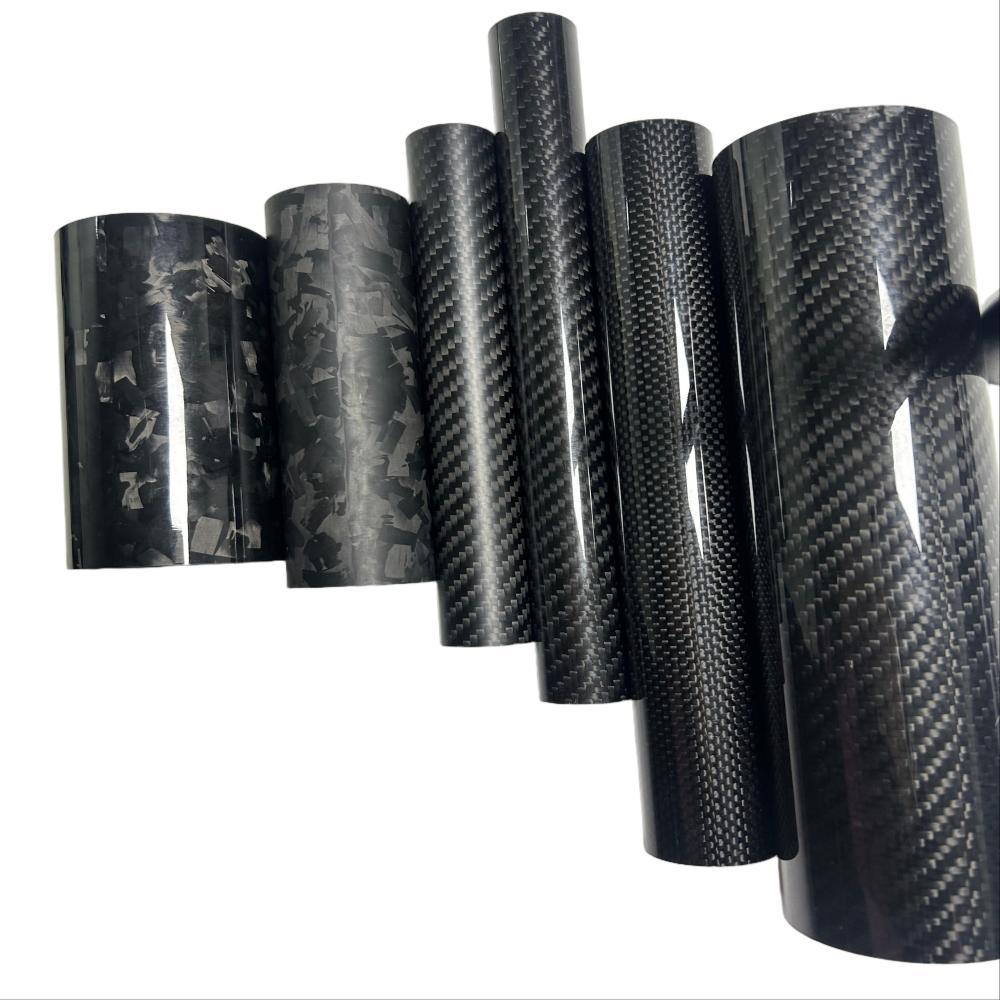
Carbon fiber tubing, also known as carbon tube or carbon fiber tube, is composed of carbon fiber material and specific resin materials. It is widely used in various supporting equipment such as drones, rotating shafts, rollers, medical devices, sports equipment, and high-end camera slide rails, and is one of the lightweight materials used in high-end industrial fields to replace metal tubing.
What are the key factors affecting the quality of carbon fiber tubing?