Comparison: Winded carbon fiber tubes vs. pultruded carbon fiber tubes
author: Lily
2025-12-21
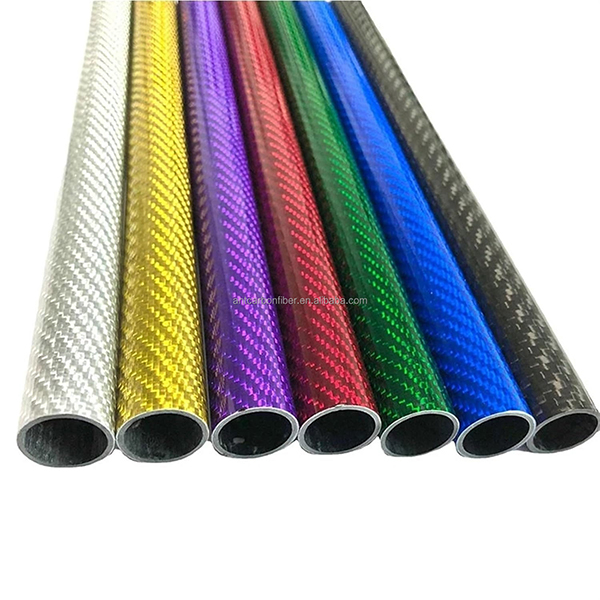
Winded prepreg carbon fiber tubes: Winded prepreg carbon fiber tubes are made by winding layers of twill-weave or unidirectional prepreg onto a metal mandrel, and then
curing them at high temperatures. In this process, Ant Carbon Fiber Co., a domestic carbon fiber component manufacturer, mainly controls the quality of the tubes
through two aspects:
First, it ensures that the dimensions of the metal mandrel are accurate and appropriate, because the carbon fiber prepreg is wound on the outside of the mandrel,
and the outer diameter of the mandrel itself needs to match the inner diameter of the carbon fiber tube it manufactures;
Second, it carefully designs the layup scheme of the wound carbon fiber composite prepreg. The number and thickness of the carbon fiber prepreg wound on the mandrel
determine the outer diameter of the carbon fiber tube. The fibers of the woven carbon fiber prepreg are oriented on the 0° axis (the length of the tube downwards) and the 90° axis
(around the circumference of the tube). These layups add so-called hoop strength to the tube, making it less susceptible to the effects of extrusion or bursting forces, while the
unidirectional prepreg on the 0° axis mainly improves the longitudinal stiffness of the tube.
Because the layup scheme directly affects the specific performance of the tubing, Ant Carbon fiber Co. focuses on adjusting the performance of finished carbon fiber tubing
by changing the layering of carbon fiber prepreg or by alternating the direction of unidirectional carbon fiber prepreg, so as to better meet application requirements. For example,
tubing used for drive shafts needs to withstand torsional forces, so when laying unidirectional carbon fiber tapes, they can be aligned off-axis at ±45° to better handle these torsional forces.
Carbon fiber tubing made using the wound prepreg method is ideal for supporting equipment requiring high bending stiffness and lightweight applications, such as automated machinery rollers, robotic arms, equipment telescopic rods, and drone components. In addition, these tubing can be manufactured using high-modulus and ultra-high-modulus carbon fiber materials as needed, and special outer fabrics can also be selected for coating.
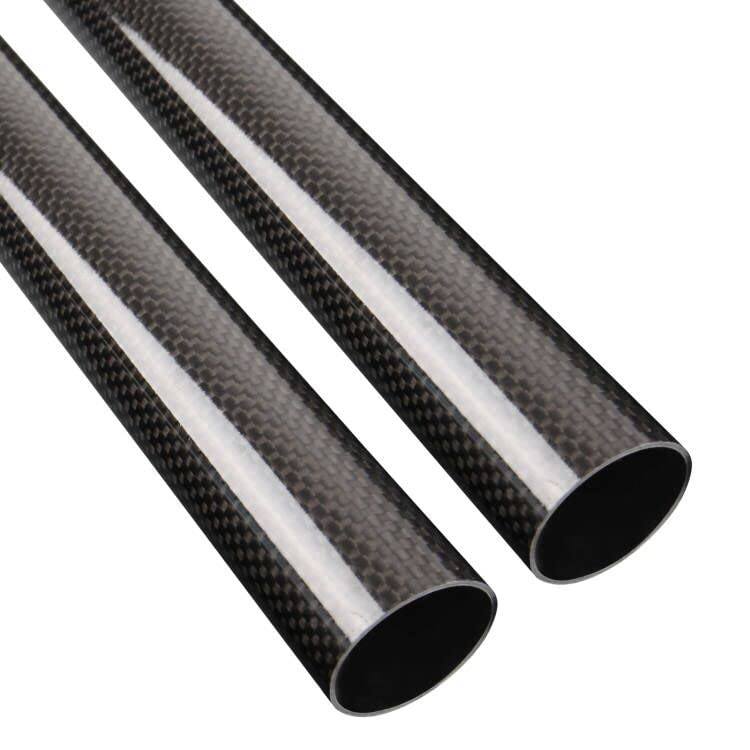
Pultruded carbon fiber tubes: Pultrusion is a process in which carbon fiber bundles are impregnated in resin and then passed through a mold with a predetermined inner cavity.
The space between the central axis and the mold determines the wall thickness of the carbon fiber tube. Microwave heating or other methods are then used to rapidly induce gelation,
resulting in solidification and molding. Because this technology allows for automated continuous molding, has high processing efficiency, low labor costs, and produces high-quality products
with extremely low internal porosity and precise dimensions, pultruded carbon fiber tubes are currently a cost-effective method for manufacturing continuous carbon fiber composite profiles. This technology is particularly suitable for molding components with specific cross-sectional shapes and requiring very straight lengths.
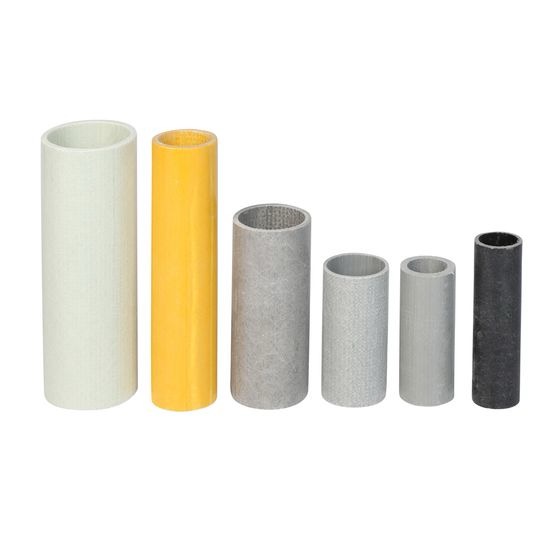
Theoretically, pultruded carbon fiber tubes can be manufactured in almost any length, but the transportation of finished tubes is often the main limiting factor. However, in practice,
pultruded carbon fiber tubes also have significant limitations in application. This process, which shapes the tube through continuous drawing, is limited to manufacturing specific profiles,
such as round, square, and I-shaped tubes. While most of the carbon fibers extend along the tube's direction during pultrusion, resulting in high stiffness, carbon fiber tubes produced
using this process exhibit poor circumferential or transverse strength, significantly lagging behind the overall performance of wound carbon fiber tubes.
Pultrusion process
How is fiberglass made? Fiberglass production process
Related Article

Carbon fiber composites, with their lightweight, high strength, and excellent electromagnetic properties, are becoming the preferred choice for drone manufacturing. From the shell to the rotor, they not only reduce weight but also improve flight efficiency and durability. Advanced processes such as compression molding and autoclave technology are further driving breakthroughs in drone performance, contributing to the future modular and intelligent development.
Why are more and more drones using carbon fiber casings?
Carbon fiber composites have wide applications in aerospace, industrial manufacturing etc. Their advantages, such as lightweight, high strength, corrosion resistance, good electrical conductivity, and excellent electromagnetic shielding, are increasingly recognized. Shenzhen Ant Carbon Fiber Co., Ltd., drawing on years of production experience, will answer some common questions today for your reference.
Basic knowledge about carbon fiber composite products
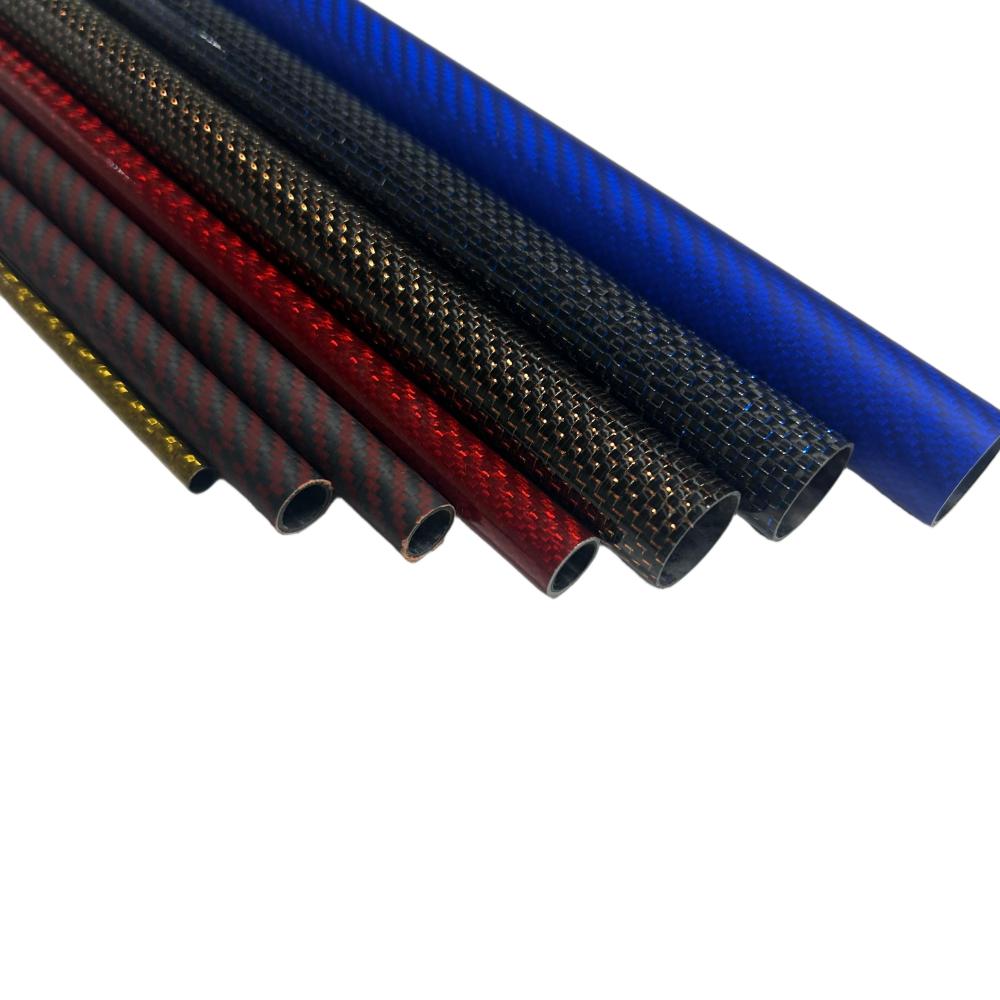
The processing of carbon fiber tubes requires different processing techniques for different applications, but the most common process is to process holes in carbon fiber tubes. In order to meet the processing requirements, we must pay more attention to the hole processing. In this process, some defects are prone to occur, with delamination being the most common. What are these details?
The formation of delamination phenomenon in carbon fiber tube hole processing
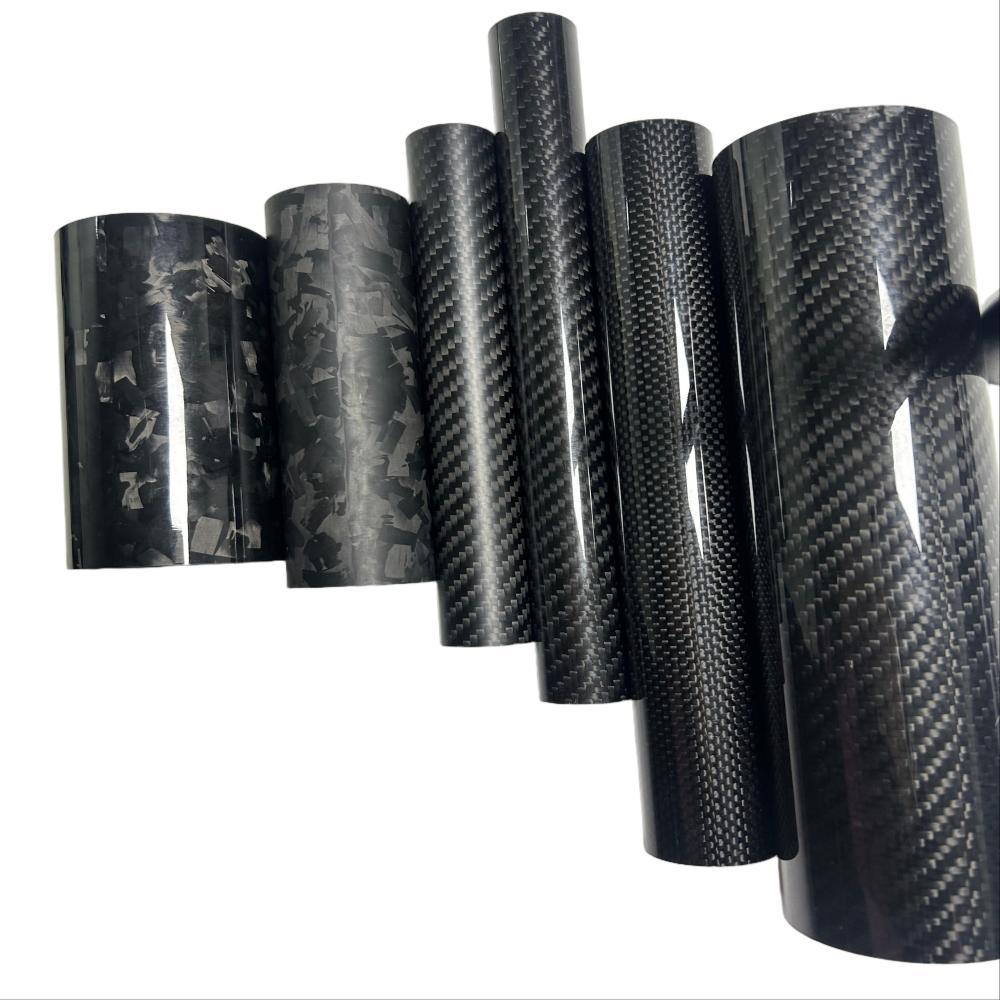
Carbon fiber tubing, also known as carbon tube or carbon fiber tube, is composed of carbon fiber material and specific resin materials. It is widely used in various supporting equipment such as drones, rotating shafts, rollers, medical devices, sports equipment, and high-end camera slide rails, and is one of the lightweight materials used in high-end industrial fields to replace metal tubing.
What are the key factors affecting the quality of carbon fiber tubing?