Autoclave dry carbon fiber process
author: Lily
2025-12-14
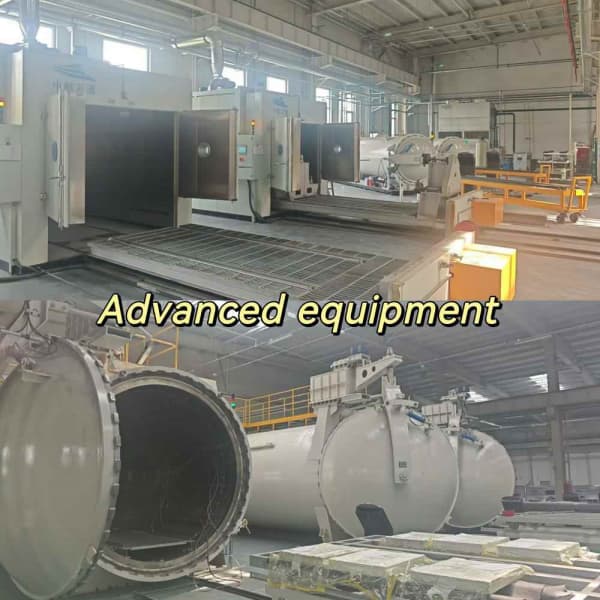
The autoclave (the English name for it is Autoclave) process refers to laying the pre-impregnated material according to the layering requirements onto the mold, sealing it in a vacuum bag, and then placing it in the autoclave. Through the heating and pressurization of the autoclave equipment, the material undergoes a curing reaction, transforming the pre-impregnated material piece into the desired shape and meeting the quality requirements of the component.
Prepreg: It is a composite material formed by immersing continuous fibers or fabrics in a resin matrix under strictly controlled conditions, resulting in a combination of the resin matrix and the reinforcing material. It is an intermediate material used in the manufacturing of composite materials.
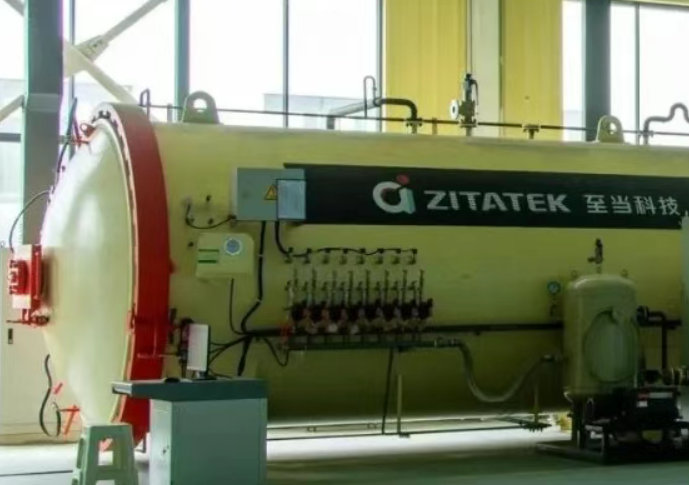
Autoclave: An autoclave is a specialized pressure vessel capable of withstanding and controlling a range of temperatures and pressures. It is a process equipment specifically designed for the characteristics of polymer-based composite material molding processes.
Autoclave Process Flow
1. Select pre-impregnated carbon fiber fabric and cut it using automatic cutting equipment.
2. Apply 3-7 layers of carbon fiber prepreg to the mold surface.
3. Lay vacuum assistance materials.
4. Seal the vacuum bag, evacuate the air, and perform a pressure test.
5. Place the mold in the autoclave and heat it to approximately 130 degrees Celsius under a vacuum pressure of 0.6 MPa to 1.0 MPa for 2-4 hours to cure and form the product.
Advantages of the hot press tank process
Uniform pressure inside the tank: Inflate and pressurize the hot press tank with compressed air or inert gases (such as N2, CO2) or mixed gases. The pressure acting on each point of the surface of the vacuum bag along the normal line is the same, enabling the component to be formed and cured under uniform pressure.
The air temperature inside the tank is uniform: The heated (or cooled) gas circulates rapidly within the tank. At each point within the tank, the gas temperature is basically the same. Under the premise of a reasonable mold structure, this can ensure that the temperature differences at various points of the components sealed in the mold do not vary greatly during the heating and cooling process.
This process can offer better quality and consistency: The components manufactured by the autoclave process have a lower porosity and uniform resin content. Compared to other molding processes, the mechanical properties of the parts prepared by the autoclave process are stable and reliable. The carbon fiber autoclave process products have very high strength and hardness (three times that of steel), and are extremely lightweight.
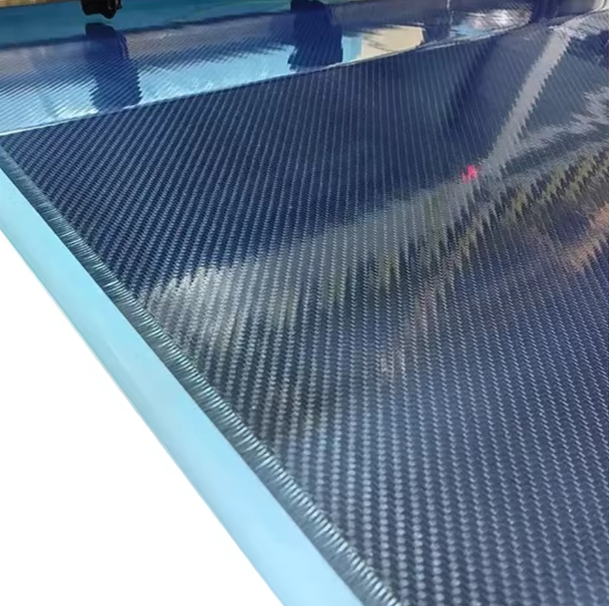
It can maintain the perfect appearance of the carbon fiber fabric: The surface patterns of all carbon fibers in the autoclave process are completely undistorted and undamaged, and the surface of the carbon fibers is extremely intact and beautiful.
Wide application range: The temperature and pressure conditions of the autoclave can almost meet the molding process requirements of all polymer-based composite materials. It is the main method for manufacturing continuous fiber-reinforced composite parts. To date, the autoclave process has been adopted in the aerospace field and high-demand areas such as super sports cars.
Why choose carbon fiber medical plates?
What is the performance difference between Chinease domestic carbon fiber and imported carbon fiber?
Related Article

Carbon fiber composites, with their lightweight, high strength, and excellent electromagnetic properties, are becoming the preferred choice for drone manufacturing. From the shell to the rotor, they not only reduce weight but also improve flight efficiency and durability. Advanced processes such as compression molding and autoclave technology are further driving breakthroughs in drone performance, contributing to the future modular and intelligent development.
Why are more and more drones using carbon fiber casings?
Carbon fiber composites have wide applications in aerospace, industrial manufacturing etc. Their advantages, such as lightweight, high strength, corrosion resistance, good electrical conductivity, and excellent electromagnetic shielding, are increasingly recognized. Shenzhen Ant Carbon Fiber Co., Ltd., drawing on years of production experience, will answer some common questions today for your reference.
Basic knowledge about carbon fiber composite products
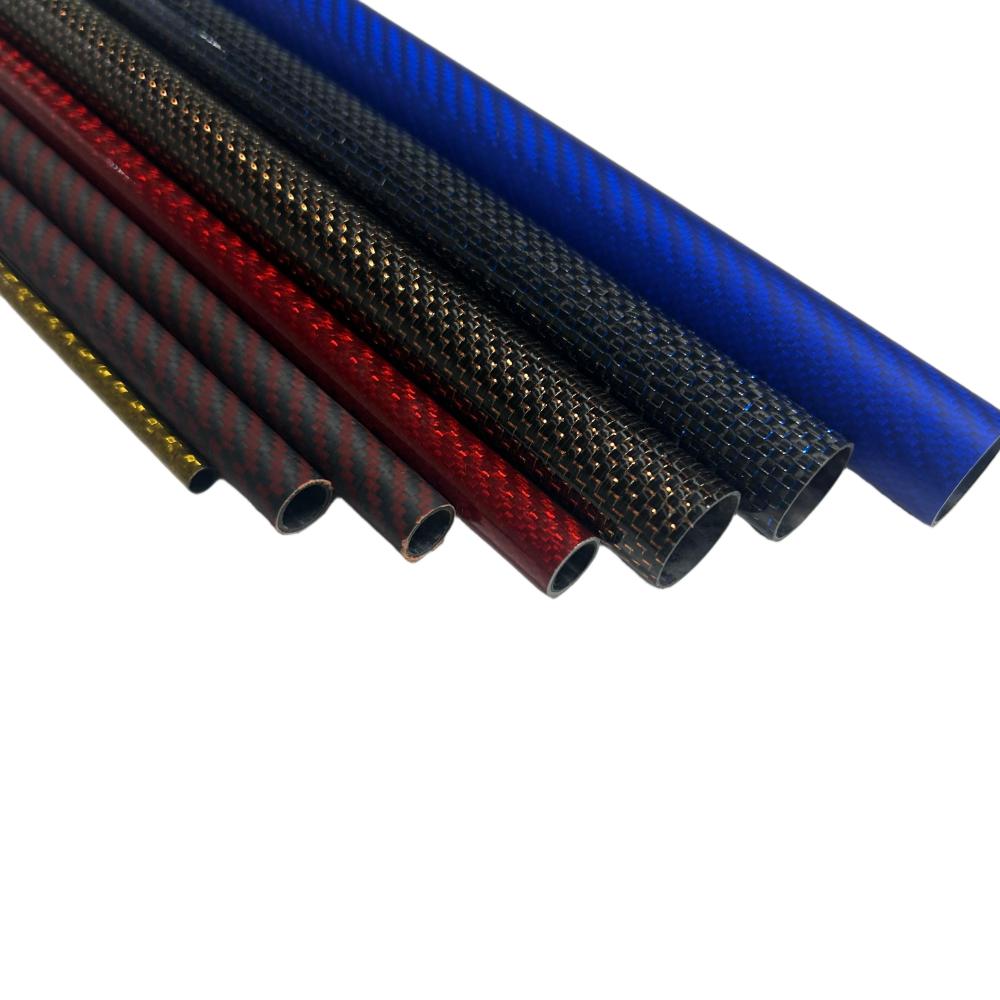
The processing of carbon fiber tubes requires different processing techniques for different applications, but the most common process is to process holes in carbon fiber tubes. In order to meet the processing requirements, we must pay more attention to the hole processing. In this process, some defects are prone to occur, with delamination being the most common. What are these details?
The formation of delamination phenomenon in carbon fiber tube hole processing
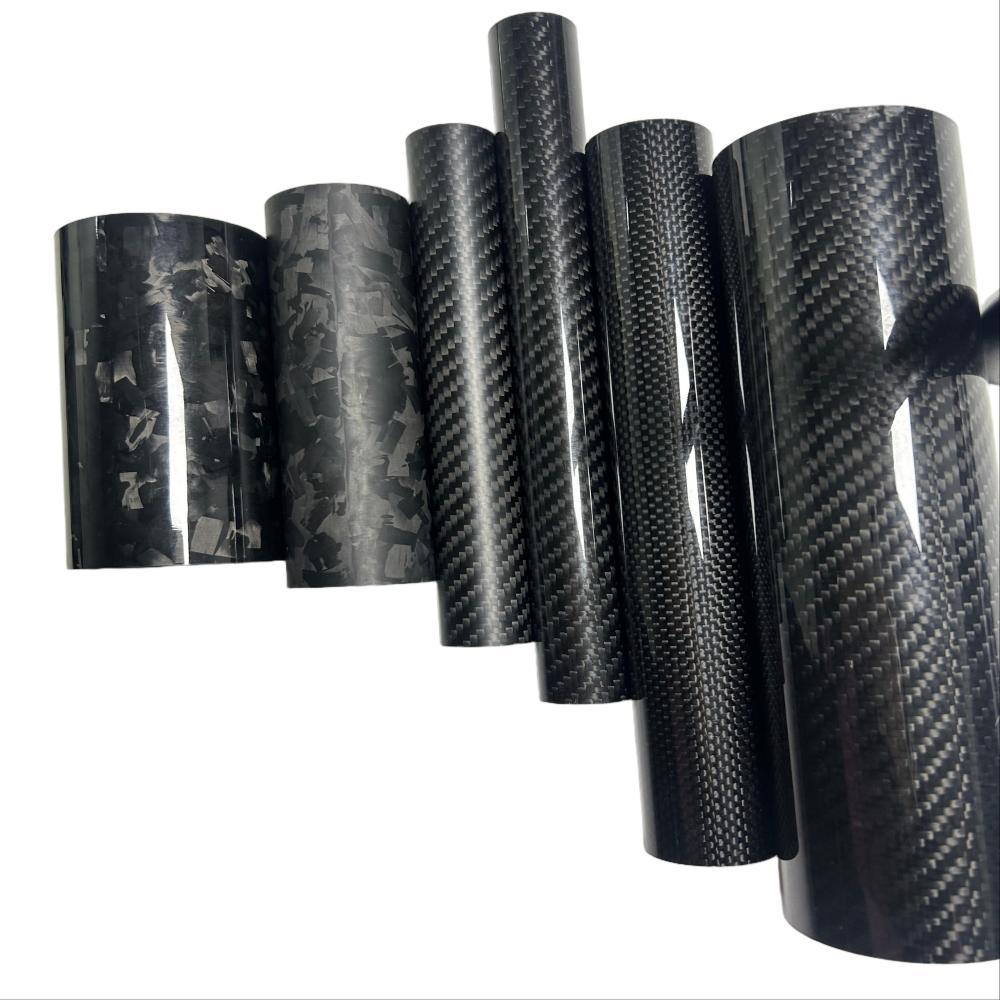
Carbon fiber tubing, also known as carbon tube or carbon fiber tube, is composed of carbon fiber material and specific resin materials. It is widely used in various supporting equipment such as drones, rotating shafts, rollers, medical devices, sports equipment, and high-end camera slide rails, and is one of the lightweight materials used in high-end industrial fields to replace metal tubing.
What are the key factors affecting the quality of carbon fiber tubing?