Key points to identify the quality of Carbon fiber cloth reinforcement
author: Lily
2025-10-22
Carbon fiber cloth reinforcement
Carbon fiber sheet reinforcement technology uses specialized structural adhesive to bond carbon fiber sheet to a concrete surface, creating a composite structure. CFRP works synergistically with concrete to reinforce the component or structure and improve its mechanical properties.
Carbon fiber sheet reinforcement can effectively improve structural performance (reducing deformation, reducing stress on the original structure, and reducing cracks).
Carbon fiber sheet reinforcement can effectively improve structural performance (reducing deformation, reducing stress on the original structure, and reducing cracks).
Carbon Fiber Cloth Specifications
1. Specialized carbon cloth for structural reinforcement. Typical square weights are 200g and 300g, corresponding to thicknesses of 0.111mm and 0.167mm.
1. Specialized carbon cloth for structural reinforcement. Typical square weights are 200g and 300g, corresponding to thicknesses of 0.111mm and 0.167mm.
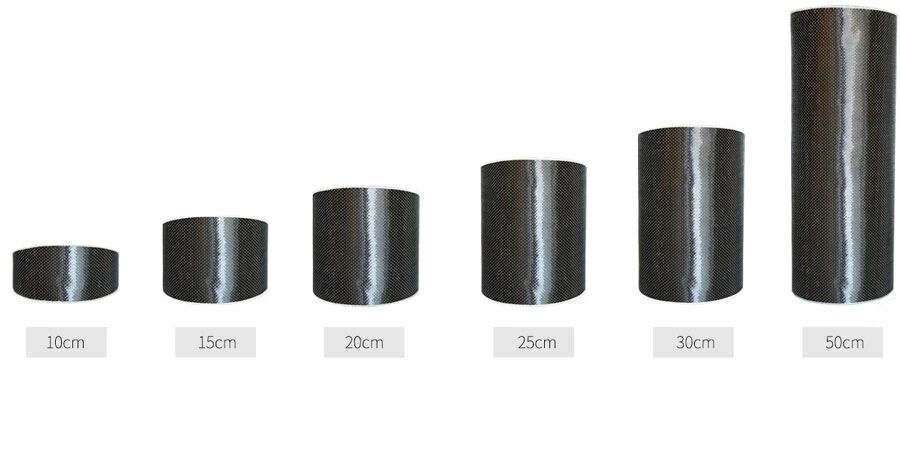
2. Typical widths are 100mm, 150mm, 200mm, 250mm, 300mm, and 500mm. Other widths can be customized.
3. Carbon fiber cloth and epoxy resin, also known as carbon fiber glue, are used together for building reinforcement. The theoretical ratio is 0.6-0.9 kg/㎡, which means that one square meter of carbon fiber cloth requires 0.6kg to 0.9kg of carbon fiber glue.
Reinforcement Advantages
1. High unidirectional tensile strength, approximately 7-10 times that of ordinary steel bars.
1. High unidirectional tensile strength, approximately 7-10 times that of ordinary steel bars.
2. Lightweight, weighing only one-quarter of ordinary steel bars, it can be manually applied without the need for large machinery or equipment. Adhering to the surface of the structure allows for fast, quick installation, minimal impact on the life and production of the reinforced structure, and virtually no increase in the weight of the original structure.
3. High elastic modulus, especially carbon fiber sheets with high elastic modulus, can play a significant role in structural reinforcement. Available areal weights are 200g/m2, 300g/m2, and 600g/m2, with calculated thicknesses of 0.111mm, 0.167mm, and 0.333mm, respectively. Carbon fiber sheet thickness is typically 1.0mm, with a maximum not exceeding 2.0mm.
4. Stable performance in humid and corrosive environments. The fiber-reinforced composite material and the bonding resin are chemically stable and resistant to acid, alkali, salt, and water corrosion.
5. Widely used in bridge and other projects; it offers superior construction performance, is easily tailored, and is highly adaptable to desired shapes and sizes. Its compact size minimizes the space required for construction.
5. Widely used in bridge and other projects; it offers superior construction performance, is easily tailored, and is highly adaptable to desired shapes and sizes. Its compact size minimizes the space required for construction.
Key points to identify the high quality of carbon fiber fabric!
When buying carbon fiber cloth, you are often asked: Do you want grade one cloth or grade two cloth? Carbon fiber cloth has various names, such as carbon fiber cloth, carbon fiber cloth, carbon fiber reinforcement cloth, carbon fiber prepreg cloth, carbon cloth, etc.
Commonly used carbon fiber reinforcement fabrics are categorized by strength level into high-strength grade 1 and grade 2. A 0.167mm thick carbon fabric is 300g/㎡, while a 0.111mm thick carbon fabric is 200g/㎡. Therefore, the thickness of a carbon fabric can be used to determine its weight. However, thickness does not directly reflect the quality of a carbon fabric and should not be used as the sole criterion for judging its quality.
Five key points to identify high-quality carbon fiber cloth
1. Check the carbon fiber cloth grade
Grade 1 carbon fiber cloth should have a tensile strength of 3400 MPa or greater, an elastic modulus of 230 GPa, and an elongation of 1.6%.
Grade 2 carbon fiber cloth should have a tensile strength of 3000 MPa or greater, an elastic modulus of 200 GPa, and an elongation of 1.5%.
Grade 2 carbon fiber cloth should have a tensile strength of 3000 MPa or greater, an elastic modulus of 200 GPa, and an elongation of 1.5%.
2. Check the specifications of the carbon fiber cloth.
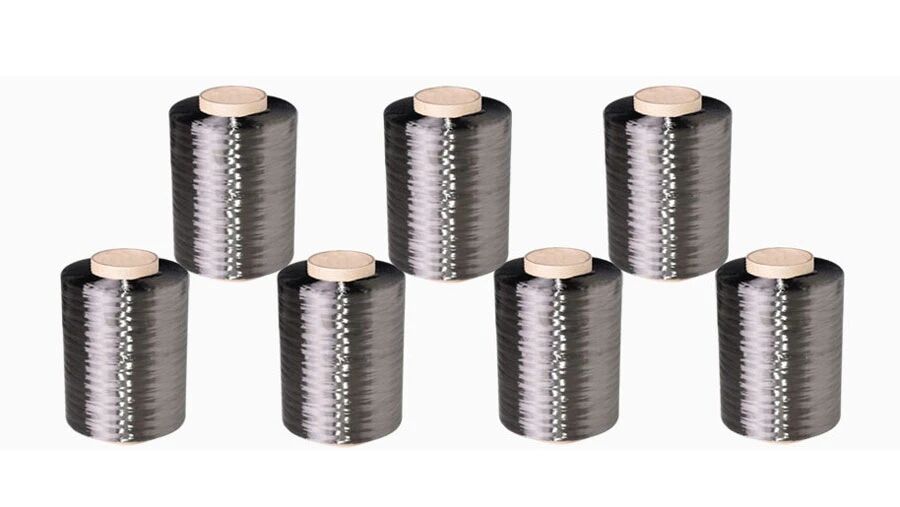
High-quality carbon fiber cloth used for building reinforcement is typically woven from 12k fine-tow fibers. Some manufacturers may use a higher kilogram to reduce production costs, resulting in substandard reinforcement quality.
High-quality carbon fiber cloth used for building reinforcement is typically woven from 12k fine-tow fibers. Some manufacturers may use a higher kilogram to reduce production costs, resulting in substandard reinforcement quality.
3. Verify the Appearance of the Carbon Fiber Cloth
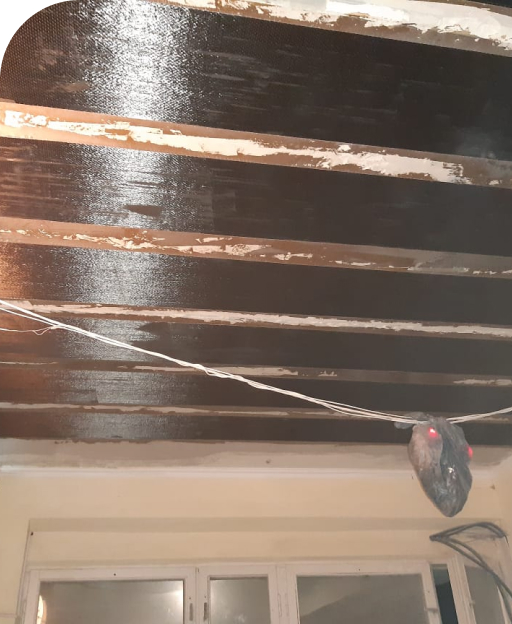
Some unscrupulous manufacturers dye aramid or basalt fibers black to impersonate carbon fiber cloth. This can result in substandard construction quality. Therefore, it's important to learn how to identify the materials used in carbon fiber cloth. Genuine carbon fiber cloth glows red under a flame and won't curl or burn. Dyed cloth, on the other hand, may burn. High-quality carbon fiber tow is a glossy black, smooth, and fine to the touch. The tow is uniform and smooth, resulting in a smooth surface and no major defects such as broken wefts, missing wefts, or broken warps.
Some unscrupulous manufacturers dye aramid or basalt fibers black to impersonate carbon fiber cloth. This can result in substandard construction quality. Therefore, it's important to learn how to identify the materials used in carbon fiber cloth. Genuine carbon fiber cloth glows red under a flame and won't curl or burn. Dyed cloth, on the other hand, may burn. High-quality carbon fiber tow is a glossy black, smooth, and fine to the touch. The tow is uniform and smooth, resulting in a smooth surface and no major defects such as broken wefts, missing wefts, or broken warps.
4. Measuring Carbon Fiber Sheet Dimensions
GB 50550-2010, "Code for Acceptance of Construction Quality for Building Structural Reinforcement Projects," stipulates that the carbon cloth attachment position must deviate no more than 10mm from the design centerline. If the carbon cloth itself is skewed or not straight, it will be difficult to meet the specification requirements and will fail the construction acceptance.
In addition, the specification requires that the negative deviation in the length of the carbon fiber cloth attached should not exceed 15mm. The dimensional deviation of the carbon cloth itself must also be within the allowable range specified in the specification: ±1.5% for length and ±0.5% for width. Therefore, be cautious when selecting products with significant length deviations between rolls of carbon cloth.
5. Determination of carbon fiber conductivity
Basalt fiber composites alone must not be used for structural reinforcement. Carbon fiber is conductive, while basalt fiber itself is an insulating material and does not have conductive properties. By measuring conductivity, we can determine whether the manufacturer is using low-priced basalt fiber to impersonate carbon fiber.
Determination of the weight per unit area of carbon fiber cloth
The weight of each 12k carbon fiber tow is 0.8g per meter long. So a 300g/㎡ carbon cloth with a width of 1m should have 375 tows (300÷0.8=375). Take a 0.2m wide carbon cloth and count them. If there are less than 75 tows, then this piece of carbon cloth is short of weight. A 200g/㎡ carbon cloth with a width of 1m should have 250 tows. The regulations strictly prohibit the entry of short-weight carbon cloth into the construction site.
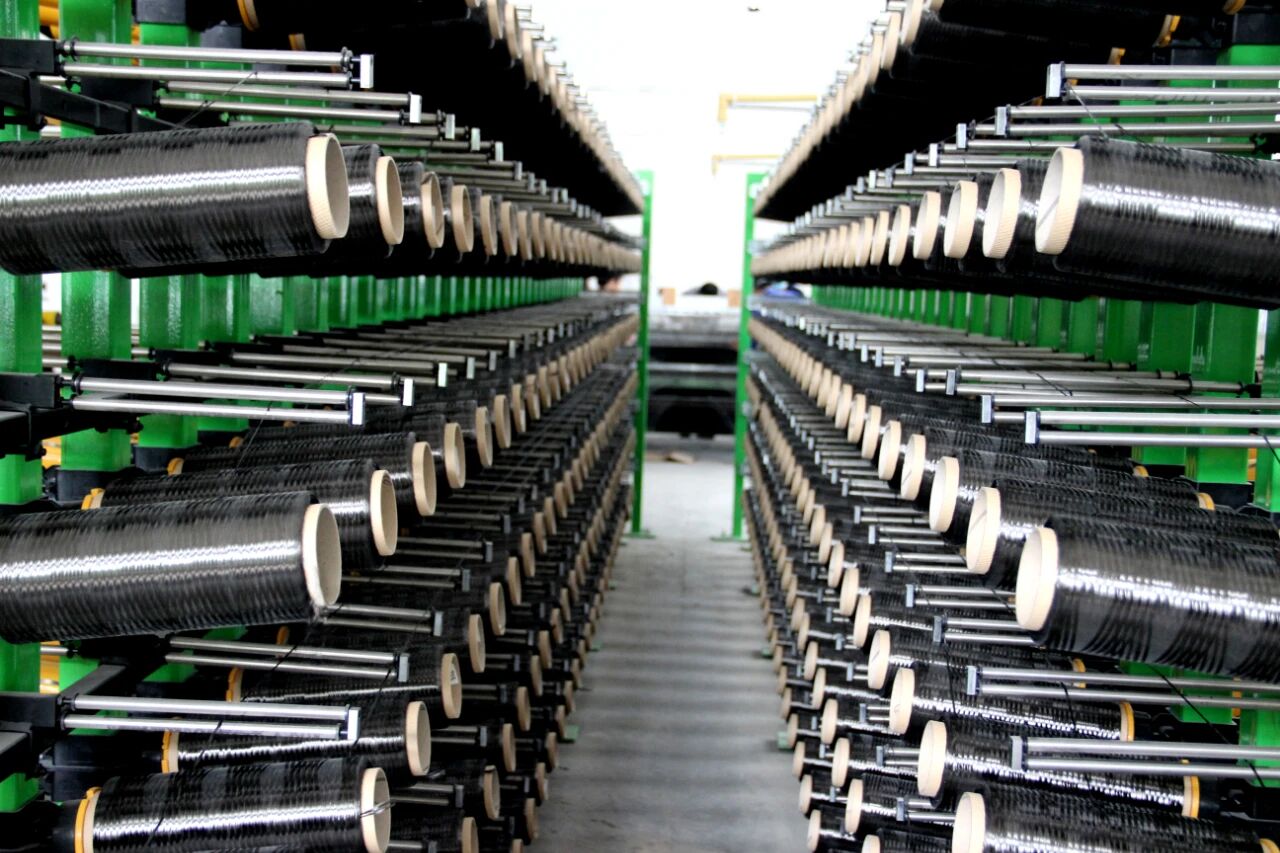
What are the performance advantages of carbon fiber PMI sandwich panels?
carbon fiber mesh fabric
Related Article

Carbon fiber composites, with their lightweight, high strength, and excellent electromagnetic properties, are becoming the preferred choice for drone manufacturing. From the shell to the rotor, they not only reduce weight but also improve flight efficiency and durability. Advanced processes such as compression molding and autoclave technology are further driving breakthroughs in drone performance, contributing to the future modular and intelligent development.
Why are more and more drones using carbon fiber casings?
Carbon fiber composites have wide applications in aerospace, industrial manufacturing etc. Their advantages, such as lightweight, high strength, corrosion resistance, good electrical conductivity, and excellent electromagnetic shielding, are increasingly recognized. Shenzhen Ant Carbon Fiber Co., Ltd., drawing on years of production experience, will answer some common questions today for your reference.
Basic knowledge about carbon fiber composite products
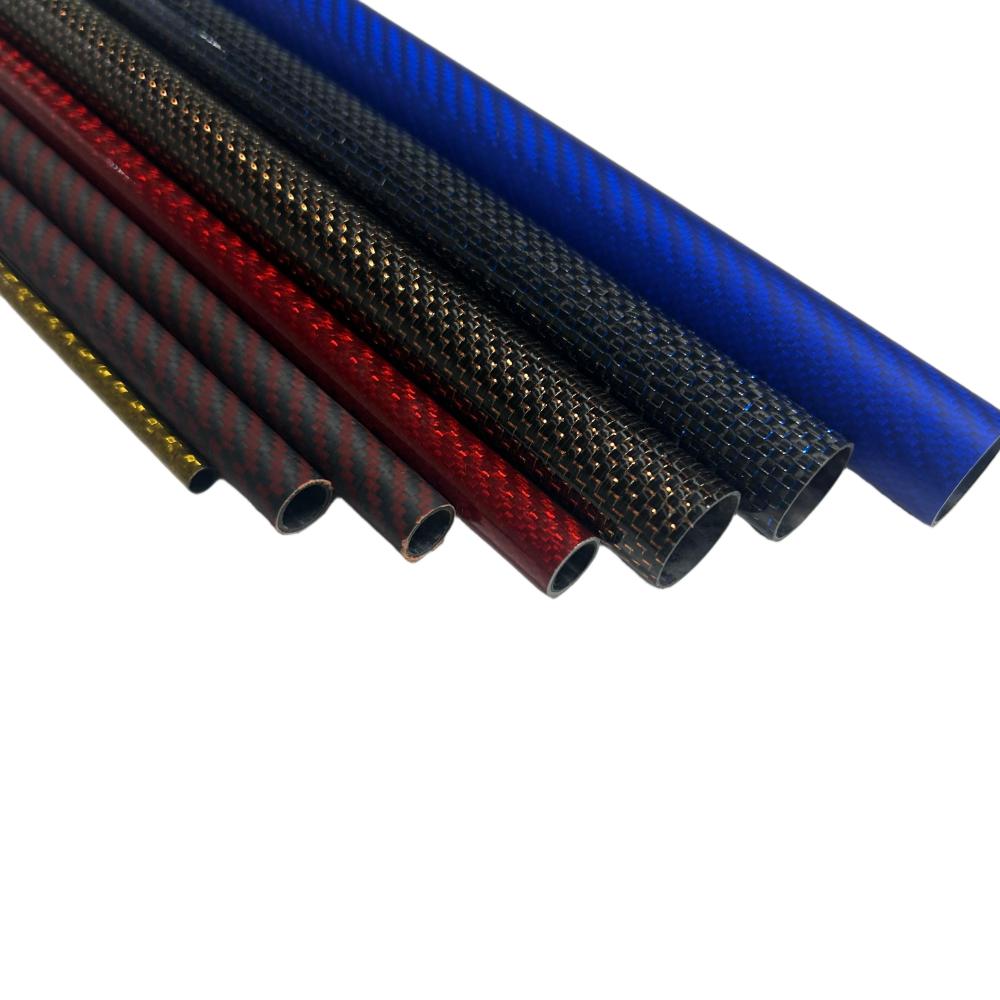
The processing of carbon fiber tubes requires different processing techniques for different applications, but the most common process is to process holes in carbon fiber tubes. In order to meet the processing requirements, we must pay more attention to the hole processing. In this process, some defects are prone to occur, with delamination being the most common. What are these details?
The formation of delamination phenomenon in carbon fiber tube hole processing
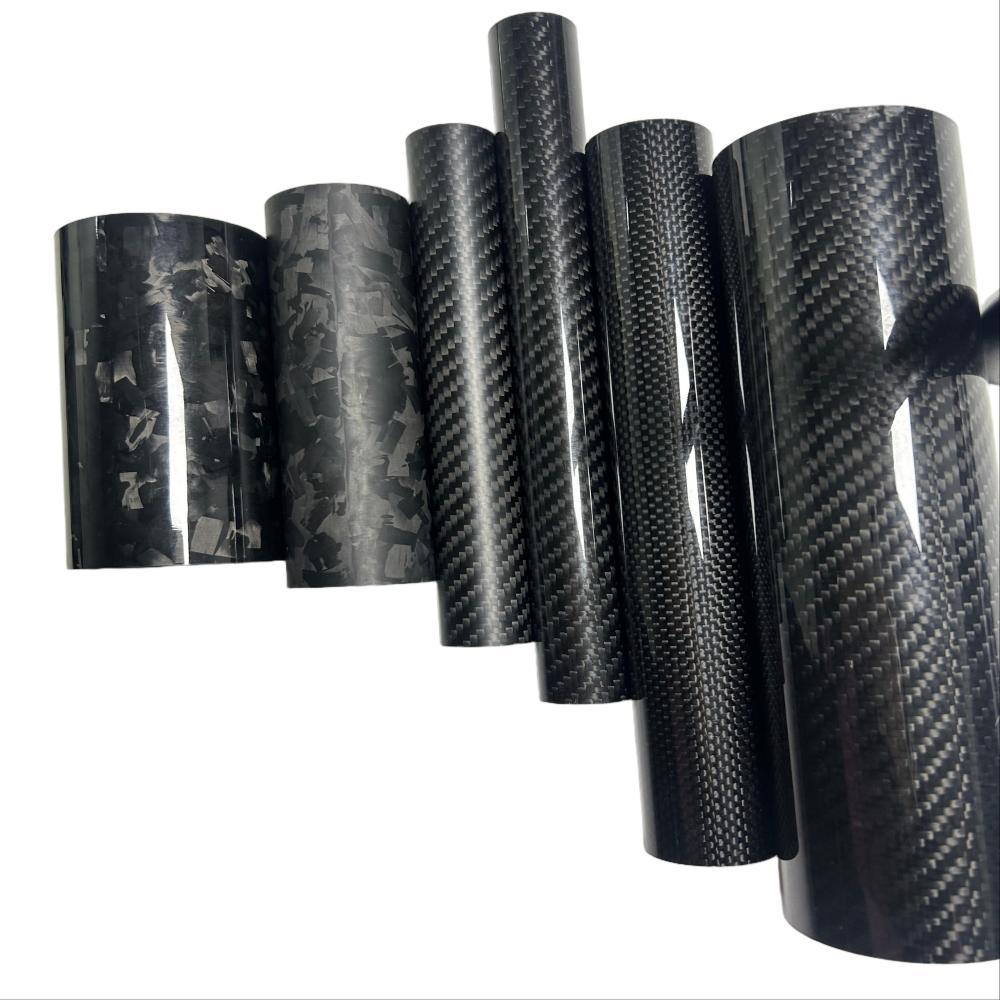
Carbon fiber tubing, also known as carbon tube or carbon fiber tube, is composed of carbon fiber material and specific resin materials. It is widely used in various supporting equipment such as drones, rotating shafts, rollers, medical devices, sports equipment, and high-end camera slide rails, and is one of the lightweight materials used in high-end industrial fields to replace metal tubing.
What are the key factors affecting the quality of carbon fiber tubing?