The Difference Between Wet and Dry Carbon Fiber
The Difference Between Wet and Dry Carbon Fiber
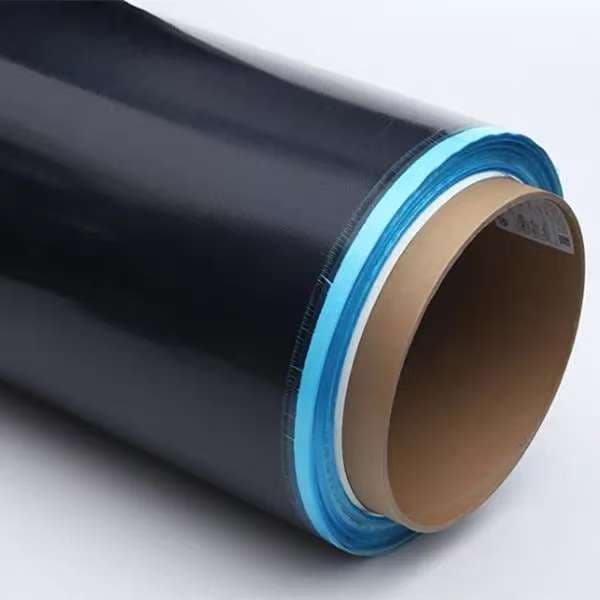
The current mainstream formula for carbon fiber composite materials involves carbon fibers and resin composites, with two main combination methods. In the carbon fiber materials industry, there is a type of material called prepreg, which is a combination of resin and fibers pre-impregnated together. In the industry, the use of prepreg materials is called dry molding, while other non-prepreg methods are called wet molding processes. Currently, vacuum infusion resin molding is the main method of wet molding, and prepreg autoclave molding is the main method of dry molding.
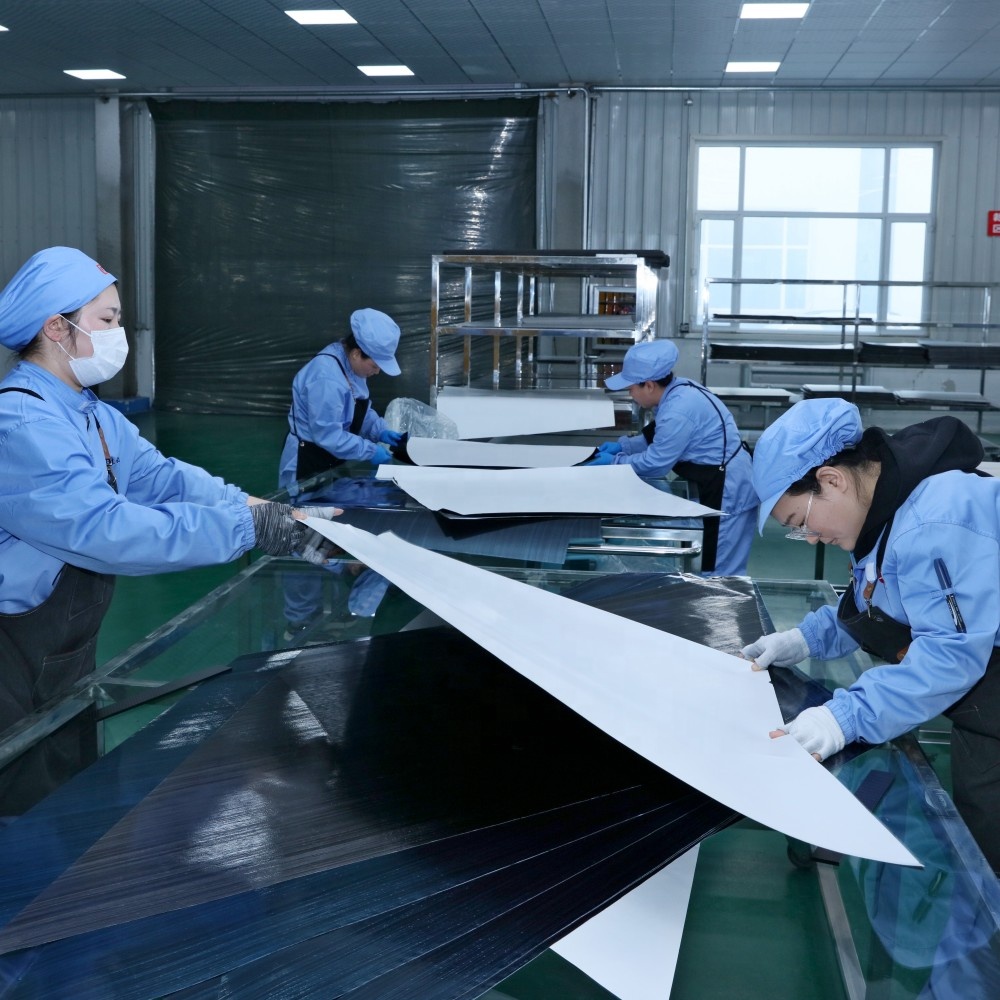
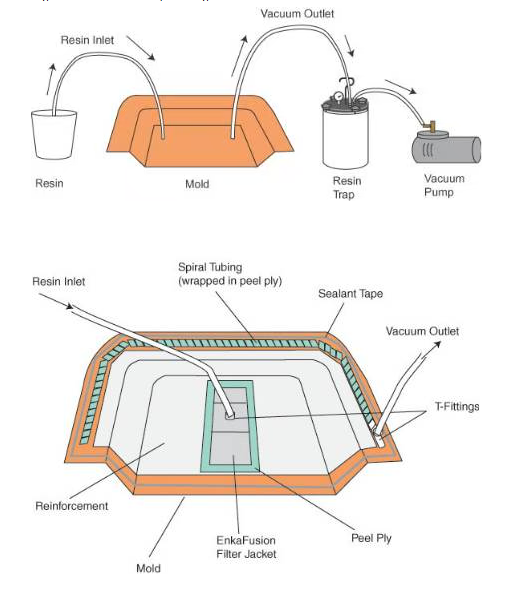
The main steps in the vacuum infusion process involve placing carbon fibers in a pre-made mold and using vacuum pressure to infuse the resin into the mold, combining it with the carbon fibers. This method offers fast molding and low cost, but the proportion of materials is difficult to control accurately, and the precision of the product quality is also difficult to control. Because prepreg materials are impregnated with resin during the carbon fiber fabric production process, the bonding is better, and the control accuracy is higher. After high-temperature and high-pressure molding, the quality and precision of the product are even higher.
Products manufactured using the two processes exhibit significant differences in performance. The wet process is prone to deformation during processing, and the cut edges are susceptible to fraying. The resin-fiber bonding is poor, and the material is easily oxidized and discolored upon contact with air. The dry impregnation process does not exhibit these issues, but it is susceptible to degradation under ultraviolet light. This is the difference between carbon fiber composite vacuum molding and autoclave molding.
Carbon fiber composite materials possess characteristics such as corrosion resistance and lightweight properties. Their excellent performance has led to their application in many fields. Especially in today's climate, where governments advocate "energy conservation and emission reduction, and a low-carbon lifestyle," lightweighting of transportation vehicles can both save energy and reduce energy consumption.
Does Wet Carbon Fiber Have a Glossy Finish? Does Dry Carbon Fiber Have a Matte Finish?
It's a common point of confusion to assume that "wet" carbon fiber is inherently glossy or that "dry" carbon fiber has a matte appearance. However, the terminology "wet" and "dry" refers solely to the manufacturing process, not the final surface finish.
In reality, any finish—be it high-gloss, satin, or matte—can be achieved with either type of carbon fiber. The final appearance is determined entirely by the surface treatment of the cured resin. This can involve the polishing process or the use of specific additives within the resin formulation to create the desired texture.
Here’s a clear breakdown of wet vs. dry carbon fiber:
Wet carbon fiber is produced using a “wet lay-up” method, where liquid resin is manually applied to carbon fiber fabric in a mold.
Dry carbon fiber is made from pre-impregnated material (“prepreg”), where the fibers come embedded with a precise amount of uncured resin and are cured under controlled heat and pressure—often in an autoclave.
In terms of quality, dry carbon fiber typically delivers more consistent results, making it the preferred choice for high-performance applications.
As for finish, it’s important to note that “wet” and “dry” refer only to the manufacturing process, not to whether the surface is glossy or matte. The final look depends entirely on the resin finishing techniques used.
The entire process of carbon fiber SMC compression molding
Thickness specifications, main applications, and processing precautions for carbon fiber sheets
Related Article