Pultrusion process
author: Lily
2025-12-21
The history of pultrusion
The pultrusion process was invented in the 1930s and first patented by J.H. Watson in 1944. M.J. Meeks successfully patented pultrusion in 1950. However, the first pultruded products
were produced in 1952 by Glastic in Cleveland, Ohio, based on a patent held by Roger B. White. Pultrusion did not become widely known until W. Brandt Goldsworthy obtained a patent in 1959. New pultrusion patents are still being granted today, some of which have made significant improvements to the process. One such improvement involves a moving die, which allows for
the creation of curved profiles.
The manufacturing process
The manufacturing process of fiber-reinforced plastics (FRP) combines glass fibers with liquid resin, forming a final product with enhanced strength properties after curing. The structural properties and corrosion resistance of FRP make it a widely relied-upon solution in chemical plants, oil platforms, livestock facilities, and other workplaces. Let's walk through the standard FRP manufacturing process step by step.
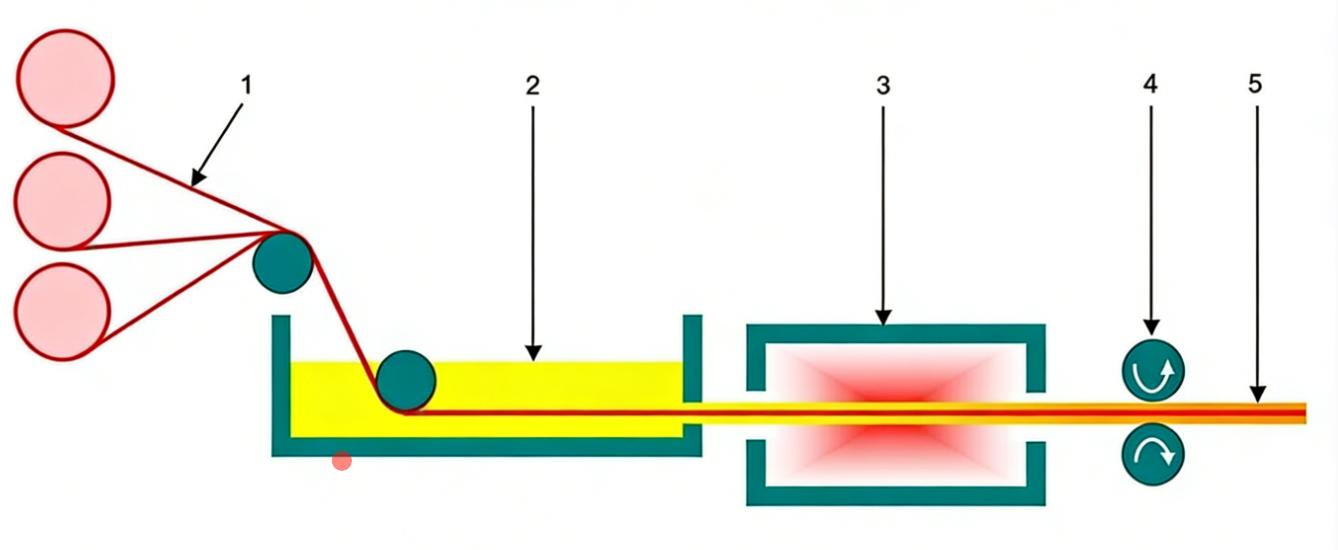
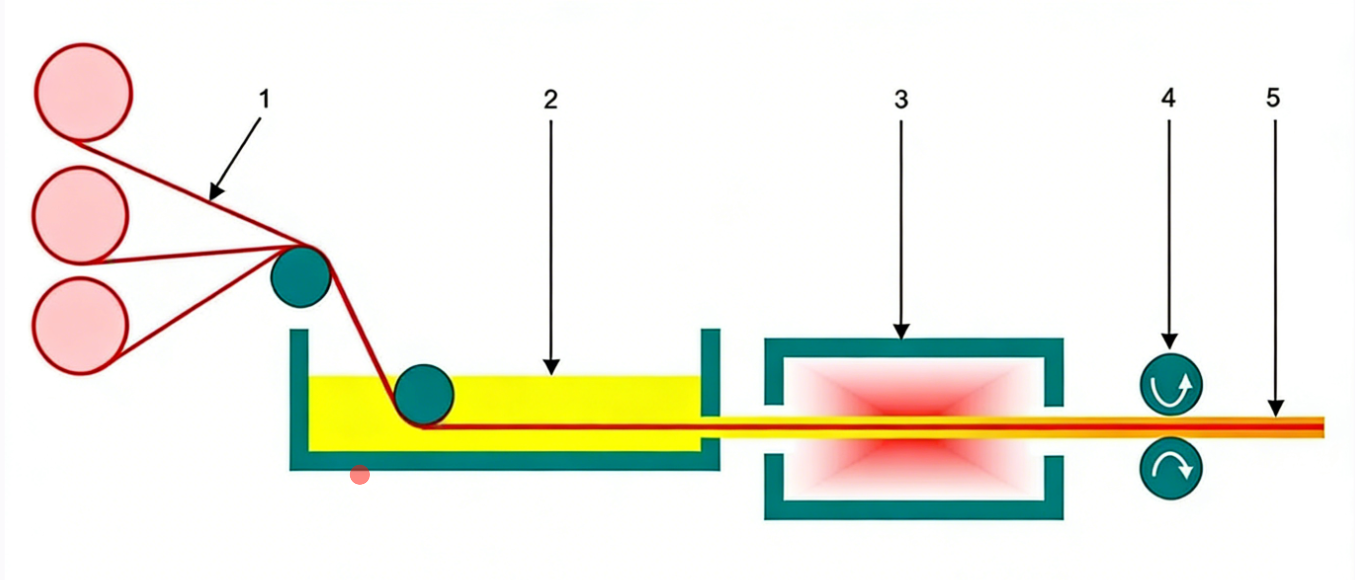
Step 1: Material Feeding The FRP manufacturing process begins with feeding raw materials into the FRP manufacturing equipment. A spool filled with wound glass fibers is placed on a storage rack, releasing the raw material as part of a continuous process. The filaments pass through holes in the forming guides and through tension rollers, then are immersed in a resin bath.
Step 2: Resin Impregnation In the resin bath, the reinforcing material is impregnated with vinyl ester, epoxy, polyester, or polyurethane. Other additives may include pigments, UV blockers, or flame retardants. An additional preforming guide then removes excess resin from the reinforcing material before it enters a heated mold. In some cases, during resin impregnation, the entire cross-section may be wrapped with a woven polyester surface felt to provide additional protection against UV rays, fiber fuzzing, fading, corrosion, abrasion, and impact. It also improves impregnation and reduces mold wear.
Step 3: Heating In the middle of an automated and continuous production line, the impregnated reinforcing fibers enter a steel mold, where they are heated to cure the resin. Temperature is precisely controlled to avoid damaging the composite and produce enhanced strength properties.
Step 4: Separation Once the pultruded composites reach the desired temperature, they must be separated from the pultrusion mold. At this stage of the manufacturing process, the temperature of the pultruded FRP composite is higher than the temperature of the mold, and cross-linking occurs between the glass fibers. The cured profile is then separated from the mold by the pulling force of a continuous or reciprocating pultrusion machine.
Step 5: Cutting The pultruded composite is formed in the cutting stage, where a constant cross-section becomes apparent. Each FRP pultruded profile is cut to the desired length using an automatic saw. The saw is mounted on a track so that it can move along the length of the production line and cut continuously during production. The FRP pultrusion process collects the finished product at the end. The industry standard length is 12-20 feet, but some manufacturers can pultrude up to 50 feet or more before cutting.
Carbon fiber composite material project (with list of raw materials and equipment)
Comparison: Winded carbon fiber tubes vs. pultruded carbon fiber tubes
Related Article

Carbon fiber composites, with their lightweight, high strength, and excellent electromagnetic properties, are becoming the preferred choice for drone manufacturing. From the shell to the rotor, they not only reduce weight but also improve flight efficiency and durability. Advanced processes such as compression molding and autoclave technology are further driving breakthroughs in drone performance, contributing to the future modular and intelligent development.
Why are more and more drones using carbon fiber casings?
Carbon fiber composites have wide applications in aerospace, industrial manufacturing etc. Their advantages, such as lightweight, high strength, corrosion resistance, good electrical conductivity, and excellent electromagnetic shielding, are increasingly recognized. Shenzhen Ant Carbon Fiber Co., Ltd., drawing on years of production experience, will answer some common questions today for your reference.
Basic knowledge about carbon fiber composite products
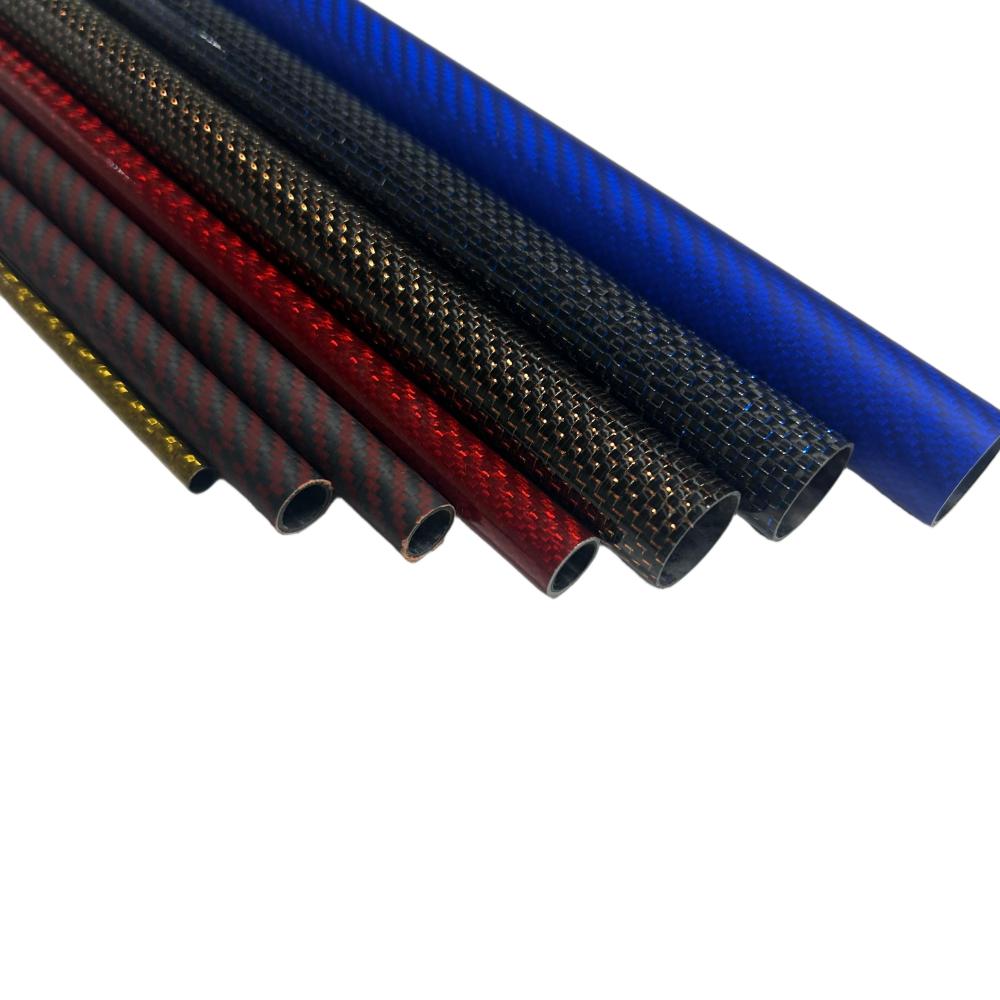
The processing of carbon fiber tubes requires different processing techniques for different applications, but the most common process is to process holes in carbon fiber tubes. In order to meet the processing requirements, we must pay more attention to the hole processing. In this process, some defects are prone to occur, with delamination being the most common. What are these details?
The formation of delamination phenomenon in carbon fiber tube hole processing
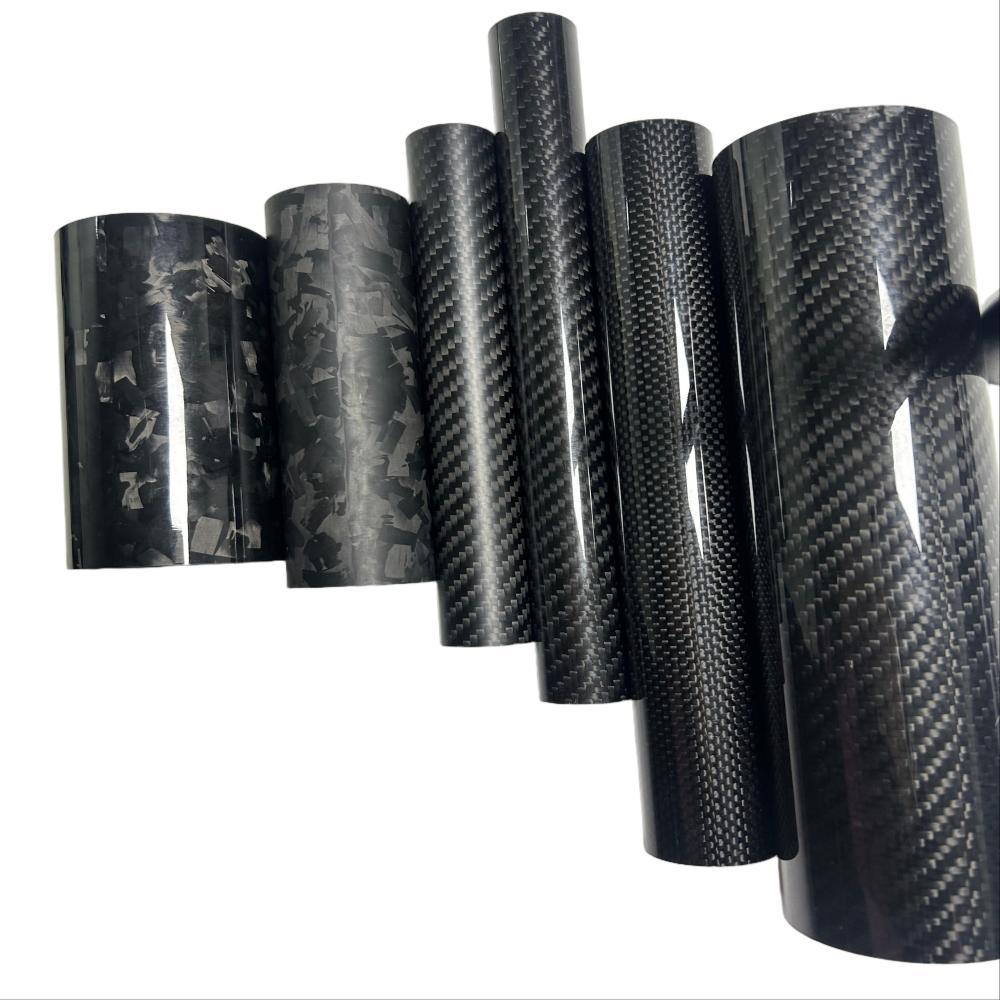
Carbon fiber tubing, also known as carbon tube or carbon fiber tube, is composed of carbon fiber material and specific resin materials. It is widely used in various supporting equipment such as drones, rotating shafts, rollers, medical devices, sports equipment, and high-end camera slide rails, and is one of the lightweight materials used in high-end industrial fields to replace metal tubing.
What are the key factors affecting the quality of carbon fiber tubing?