Steps for manufacturing high-strength carbon fiber tubes-Pipe Coiling Process
author: Lily
2025-12-07
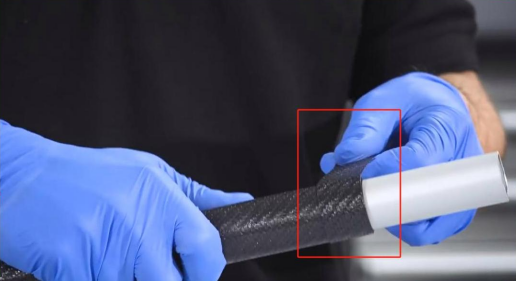
1. Introduction to Pipe Coiling Process
Through this tutorial, you will learn how to use the mandrel winding process to form tubular structures by heating and winding carbon fiber pre-impregnated materials on a mandrel winding machine, thereby creating high-strength carbon fiber tubes. This process is often adopted by composite material manufacturers.
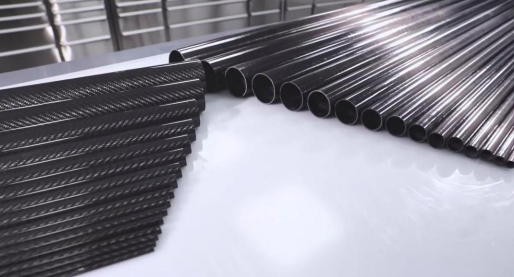
If you wish to produce tubes with parallel or continuous taper, the roll-wrapping process is your ideal choice. With a suitably sized metal mandrel and an oven, you can produce custom carbon fiber tubes to meet your specific needs.
For complex-shaped carbon fiber tubes, such as those used in complex tubular frame structures in automobiles, like suspension control arms or bicycle frames, split-mold technology is the preferred method. Next, we will show you how to manufacture these complex carbon fiber tubes using split-mold technology.
For complex-shaped carbon fiber tubes, such as those used in complex tubular frame structures in automobiles, like suspension control arms or bicycle frames, split-mold technology is the preferred method. Next, we will show you how to manufacture these complex carbon fiber tubes using split-mold technology.
2. Treatment and Preparation of Metal Mandrels
The Importance of Metal Mandrels .Before commencing the pipe coiling process, the first step is to prepare the metal mandrel. The mandrel must match the inner diameter of the pipe, and its surface smoothness and proper pre-treatment are of critical importance. Additionally, the metal mandrel should undergo appropriate pre-treatment, such as cleaning and coating with a release agent, to facilitate the subsequent demolding process.
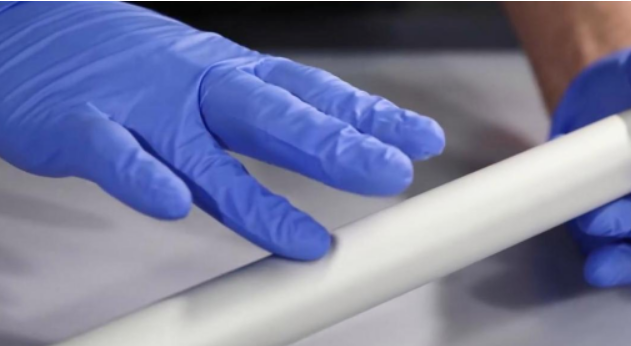
During the tube rolling process, the metal core shaft plays a crucial role as it needs to support the carbon fiber prepreg and ensure its smooth winding. Therefore, it is essential to prepare a metal core shaft of the appropriate size in advance. Since the carbon fiber will be wound on the outside of the core shaft, the outer diameter of the core shaft must match the inner diameter of the carbon fiber tube to be manufactured.
▲ Apply release agent coating
The release agent reduces friction and ensures smooth demolding. It needs to be evenly applied to the surface of the core shaft. After the metal core shaft is prepared, the next step is to apply the release agent. Commonly used release agents include silicone oil and paraffin, which can effectively reduce the friction between the carbon fiber and the metal core shaft.
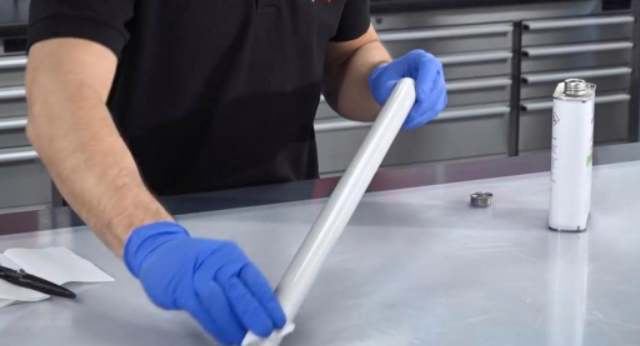
On the metal core shaft that is ready for use, we must ensure that it is thoroughly clean and has a smooth surface as much as possible to facilitate the smooth demolding of the product. Subsequently, the release agent should be evenly applied to the surface of the core shaft.
3. Preparation of carbon fiber prepreg
▲ Types and Advantages of Pre-impregnated Materials
Only carbon fiber prepreg meets the high requirements for roll packaging accuracy and ease of handling. Although other types of reinforcing materials, such as dry fabrics impregnated with epoxy resin, could theoretically be used in the roll packaging process, in practice, only carbon fiber prepreg can meet the high requirements for accuracy and ease of handling in this process.
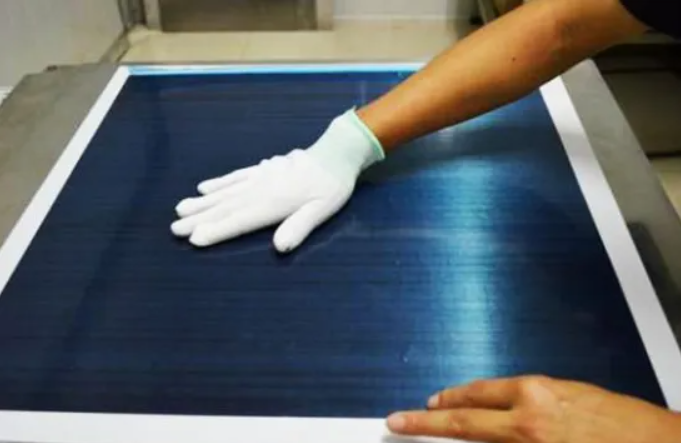
▲ Laminated design of prepreg material
A layer of woven prepreg is laid on the inner side of the tube, followed by several layers of unidirectional prepreg, and finally a layer of woven prepreg is added on the outer side of the tube. This layered design fully utilizes the fiber orientation advantages of the woven prepreg in the 0° axis and 90° axis, thereby significantly improving the performance of the tube. Most of the unidirectional prepreg laid on the 0° axis gives the tube excellent longitudinal stiffness.
4. Pipe rolling process flow
▲ Preparations before winding
After completing the layer design of the prepreg, the next step is to enter the tube winding process. The prepreg treatment involves removing the PE film and release paper, and leaving an appropriate overlap area. This step is crucial for ensuring the smooth progress of the subsequent tube winding process.
▲ Details of the winding process
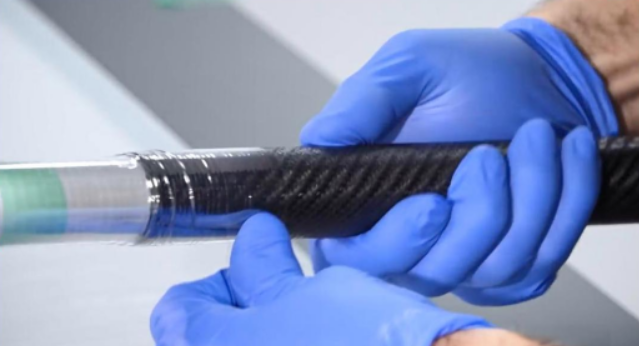
During the winding process, we need to ensure that the prepreg is wound smoothly, and the metal core shaft should be placed steadily and exert uniform force. Place the metal core shaft steadily at the edge of the first layer of prepreg and ensure that the force is applied evenly.
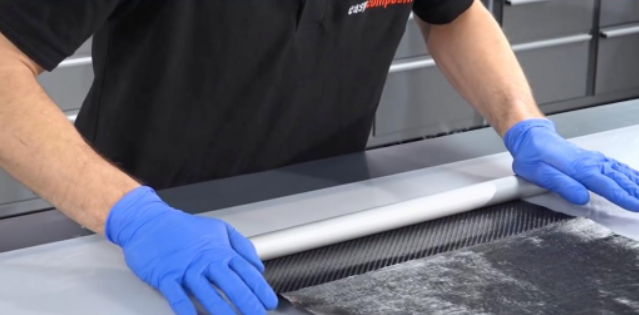
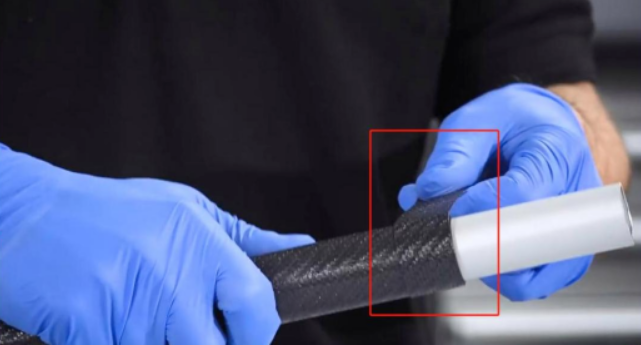
During the winding process, more prepreg can be wound around the end part to facilitate the removal of the product after demolding in the subsequent stage.
▲ BOPP film winding
In addition to the prepreg, BOPP film can also be wound. By adding the BOPP film, the consolidation pressure can be increased, protecting and sealing the prepreg. When using the BOPP wound film, it is crucial to ensure there is sufficient overlap between the tapes.
▲ BOPP film winding
In addition to the prepreg, BOPP film can also be wound. By adding the BOPP film, the consolidation pressure can be increased, protecting and sealing the prepreg. When using the BOPP wound film, it is crucial to ensure there is sufficient overlap between the tapes.
5. Oven Curing Process
▲ Curing Temperature and Time
After tightly wrapping the pre-impregnated carbon fiber reinforced material, we place it in an oven for curing. Temperature control is crucial during oven curing, as different pre-impregnated materials require different curing conditions. This step is essential for ensuring the stability of the material and enhancing its performance.
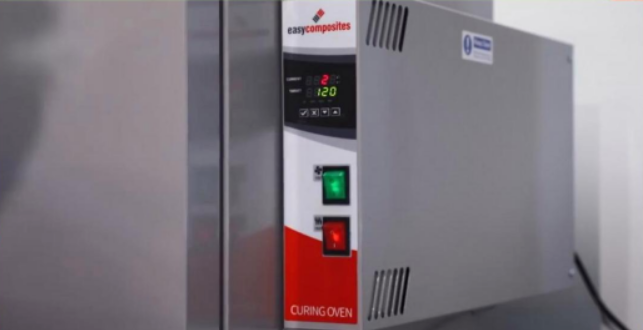
By exposing the carbon fibers to the high-temperature environment inside the oven, the carbon fibers and the resin matrix can react fully, thereby forming a strong composite material.
6. Removal and Processing
After removing the BOPP winding film, the cured product can be taken out. After curing, the BOPP film can be removed. If you want to improve the appearance, you can perform grinding and painting. If you need further improvement in appearance, you can carry out fine treatments such as grinding and painting.
The electromagnetic properties of carbon fiber
Carbon fiber tubes vs. fiberglass tubes: Which is better?
Related Article

Carbon fiber composites, with their lightweight, high strength, and excellent electromagnetic properties, are becoming the preferred choice for drone manufacturing. From the shell to the rotor, they not only reduce weight but also improve flight efficiency and durability. Advanced processes such as compression molding and autoclave technology are further driving breakthroughs in drone performance, contributing to the future modular and intelligent development.
Why are more and more drones using carbon fiber casings?
Carbon fiber composites have wide applications in aerospace, industrial manufacturing etc. Their advantages, such as lightweight, high strength, corrosion resistance, good electrical conductivity, and excellent electromagnetic shielding, are increasingly recognized. Shenzhen Ant Carbon Fiber Co., Ltd., drawing on years of production experience, will answer some common questions today for your reference.
Basic knowledge about carbon fiber composite products
The processing of carbon fiber tubes requires different processing techniques for different applications, but the most common process is to process holes in carbon fiber tubes. In order to meet the processing requirements, we must pay more attention to the hole processing. In this process, some defects are prone to occur, with delamination being the most common. What are these details?
The formation of delamination phenomenon in carbon fiber tube hole processing
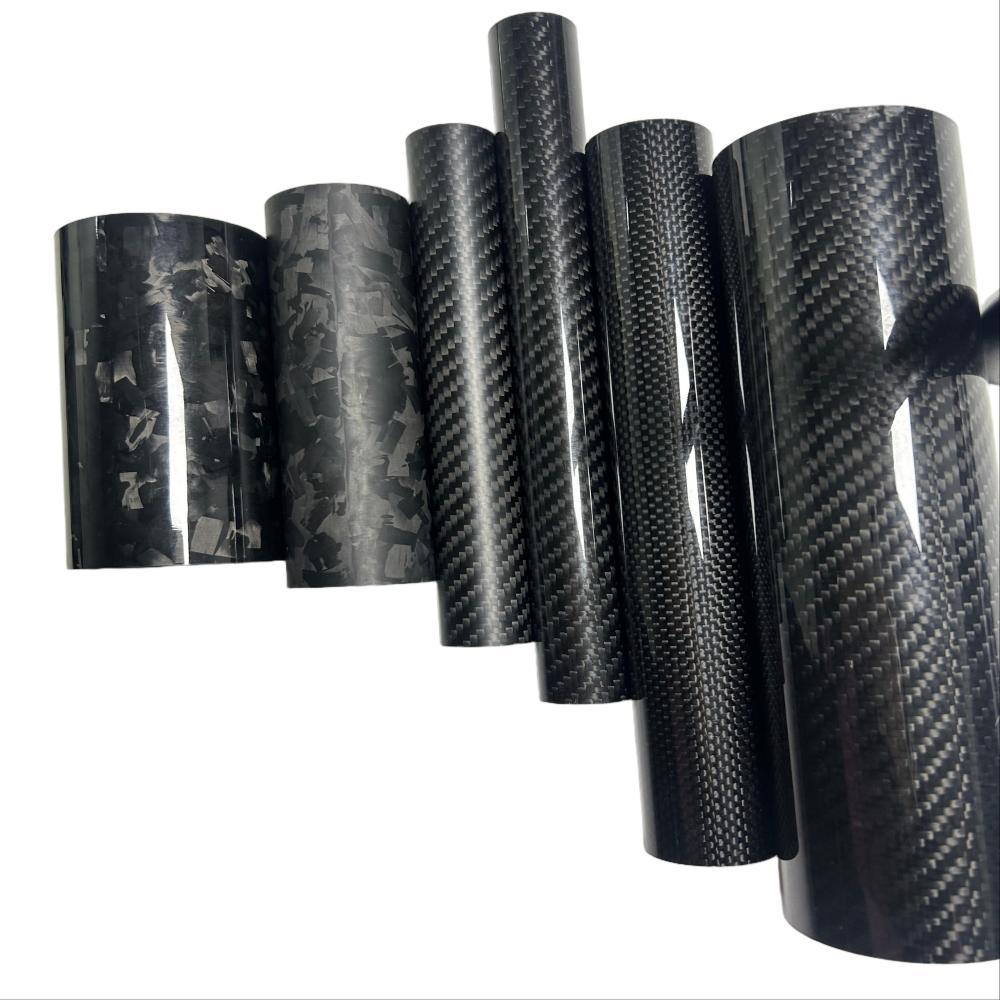
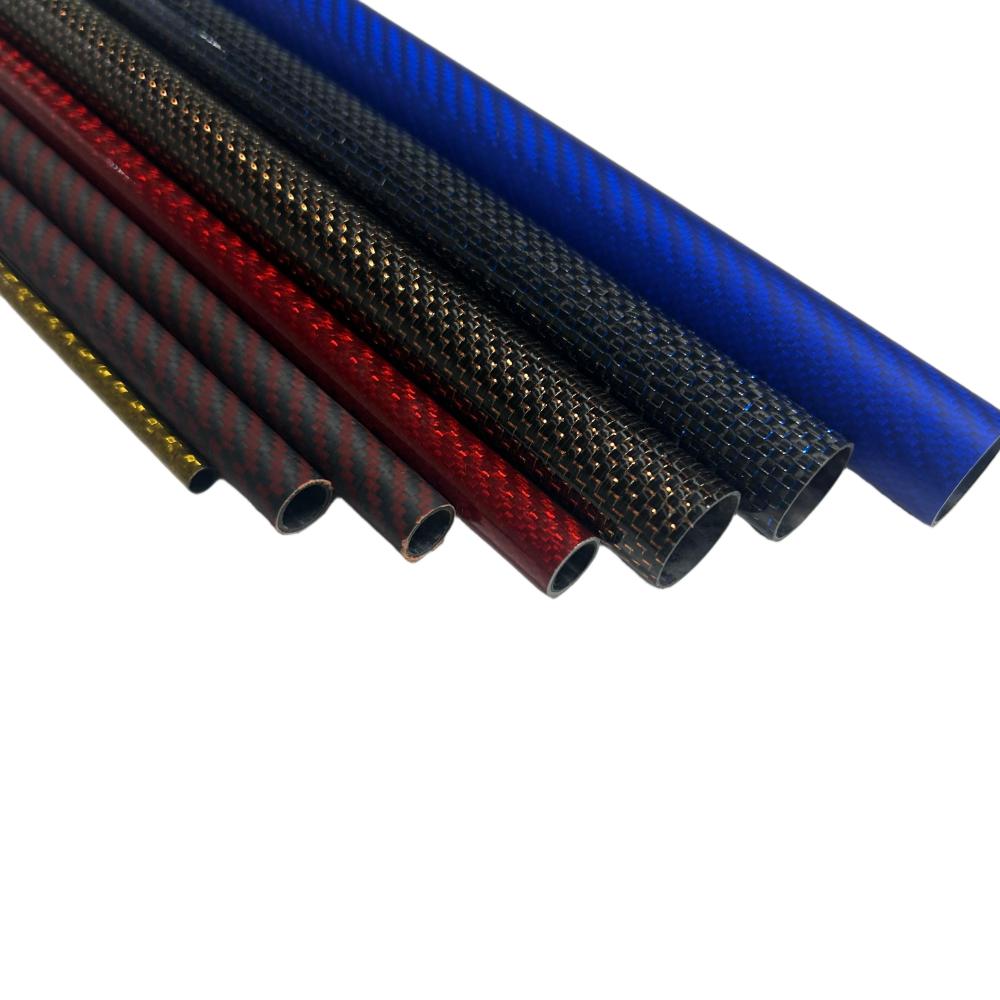
Carbon fiber tubing, also known as carbon tube or carbon fiber tube, is composed of carbon fiber material and specific resin materials. It is widely used in various supporting equipment such as drones, rotating shafts, rollers, medical devices, sports equipment, and high-end camera slide rails, and is one of the lightweight materials used in high-end industrial fields to replace metal tubing.
What are the key factors affecting the quality of carbon fiber tubing?